Telemedicine Robots in Hospitals: Preparing Physicians and Patients for a New Era of Virtual Care

sales@rifeindia.com

What are you looking for?
Popular Searches:
Popular Products
Healthcare systems worldwide are facing increasing pressure from physician shortages, growing patient populations, and the need for faster access to specialist care. As a result, telemedicine robots are emerging as an innovative solution that enables healthcare professionals to interact with patients remotely while maintaining a strong clinical presence.

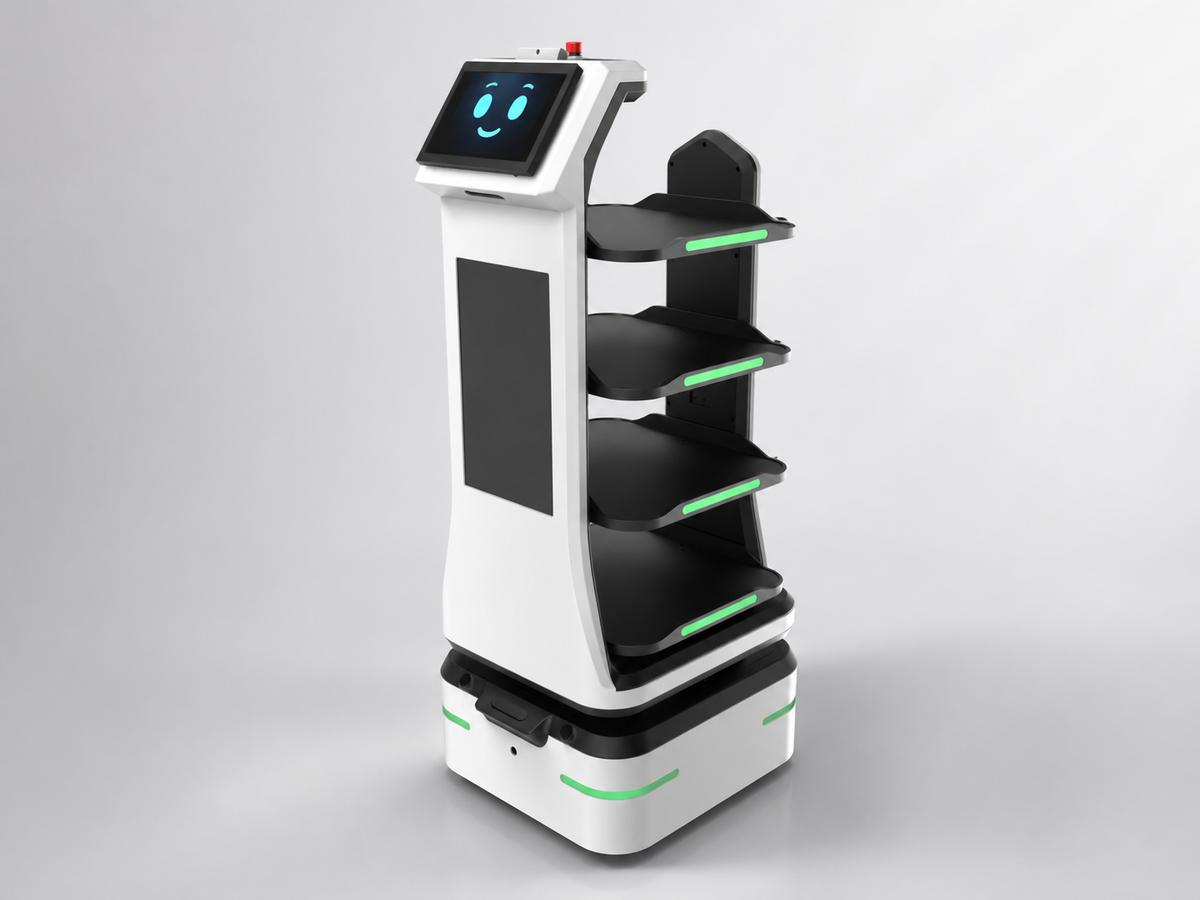
These mobile telehealth platforms combine high-definition video, audio communication, and autonomous navigation capabilities, allowing physicians to conduct virtual consultations, participate in bedside rounds, and collaborate with on-site healthcare teams without being physically present.
Traditional telemedicine often relies on fixed devices such as laptops, tablets, or conference systems. Telemedicine robots take virtual care a step further by providing mobility within hospital environments.
A physician can remotely navigate the robot through patient care areas, communicate with patients in real time, review clinical information, and interact with medical staff. This creates a more dynamic and accessible healthcare experience, especially when specialist resources are limited.
Key benefits include:
By extending the reach of healthcare professionals, telemedicine robots can help hospitals improve patient access to timely medical care.
While the technology offers significant operational advantages, the human experience remains a critical factor in successful adoption.
For many patients, interacting with a physician through a mobile robot may feel unfamiliar at first. Patients are accustomed to face-to-face encounters where physical presence contributes to comfort, trust, and reassurance. Similarly, physicians may need time to adapt to delivering care through a digital interface rather than traditional bedside interactions.
The introduction of telemedicine robots represents not only a technological shift but also a cultural change within healthcare environments.
Trust is one of the most important elements of effective healthcare delivery. To ensure successful implementation of telemedicine robotics, hospitals must focus on preparing both healthcare providers and patients.
Healthcare professionals should receive training that covers:
These skills can help physicians create meaningful connections even when interacting remotely.
Patients should also be introduced to telemedicine technology before their first encounter. Educational materials and staff guidance can help explain:
When patients understand the purpose and value of the technology, they are more likely to feel comfortable using it.
As healthcare continues to evolve, digital care technologies will likely become a standard component of hospital operations. Telemedicine robots are one example of how hospitals can extend clinical expertise beyond traditional physical boundaries.
However, successful adoption depends on more than advanced technology. Healthcare organizations must invest in workforce training, patient education, and communication strategies that promote confidence and trust.
By balancing innovation with human-centered care, hospitals can create virtual healthcare experiences that support both clinical efficiency and positive patient outcomes.

Telemedicine robots offer a practical approach to addressing healthcare workforce challenges while improving access to specialist care. Although remote physician interactions may initially feel unfamiliar, proper preparation and education can help both patients and healthcare professionals adapt successfully. As hospitals embrace digital transformation, building trust and maintaining strong human connections will remain essential to the future of telemedicine.
A telemedicine robot is a mobile healthcare device equipped with video, audio, and communication technology that allows physicians and specialists to remotely interact with patients and healthcare staff in real time. It helps extend access to medical expertise without requiring the physician to be physically present.
Telemedicine robots improve patient care by enabling faster specialist consultations, reducing wait times, supporting remote bedside rounds, and providing access to medical expertise in hospitals with limited specialist availability. This can lead to more timely clinical decisions and improved healthcare efficiency.
Yes. Modern telemedicine robots are designed with healthcare-grade security features, including encrypted communications and secure access controls, to help protect patient privacy and comply with healthcare data protection requirements.
Hospitals can prepare patients by providing clear information about how telemedicine robots work, explaining the benefits of virtual consultations, addressing privacy concerns, and ensuring staff are available to assist patients during their first interaction with the technology.
No. Telemedicine robots are designed to support healthcare professionals, not replace them. They serve as tools that allow physicians to deliver remote consultations, collaborate with care teams, and extend their reach, while clinical decision-making and patient care remain under the supervision of qualified medical professionals.
Hospital computer carts and clinical workstations deployed across 30+ leading hospitals across India.