Robotic Carts in Hospitals: Automating the Delivery of Linen, Medicines, Food, Blood Samples, and More

sales@rifeindia.com

What are you looking for?
Popular Searches:
Popular Products
Modern hospitals operate around the clock, handling thousands of critical deliveries every day. From medicines and blood samples to patient meals and fresh linen, efficient transportation of supplies is essential for smooth hospital operations. Robotic carts are emerging as a powerful solution, helping healthcare facilities automate internal logistics while improving efficiency, safety, and patient care.

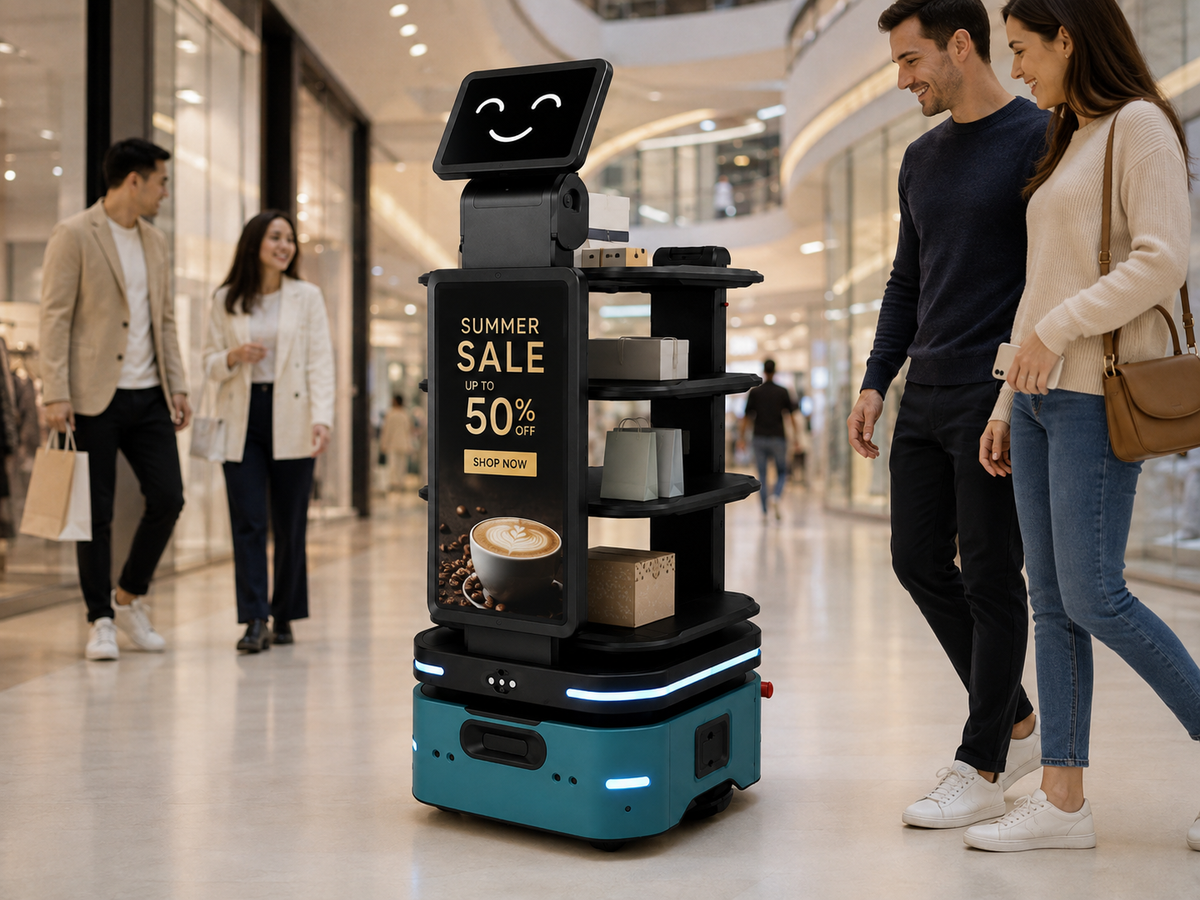
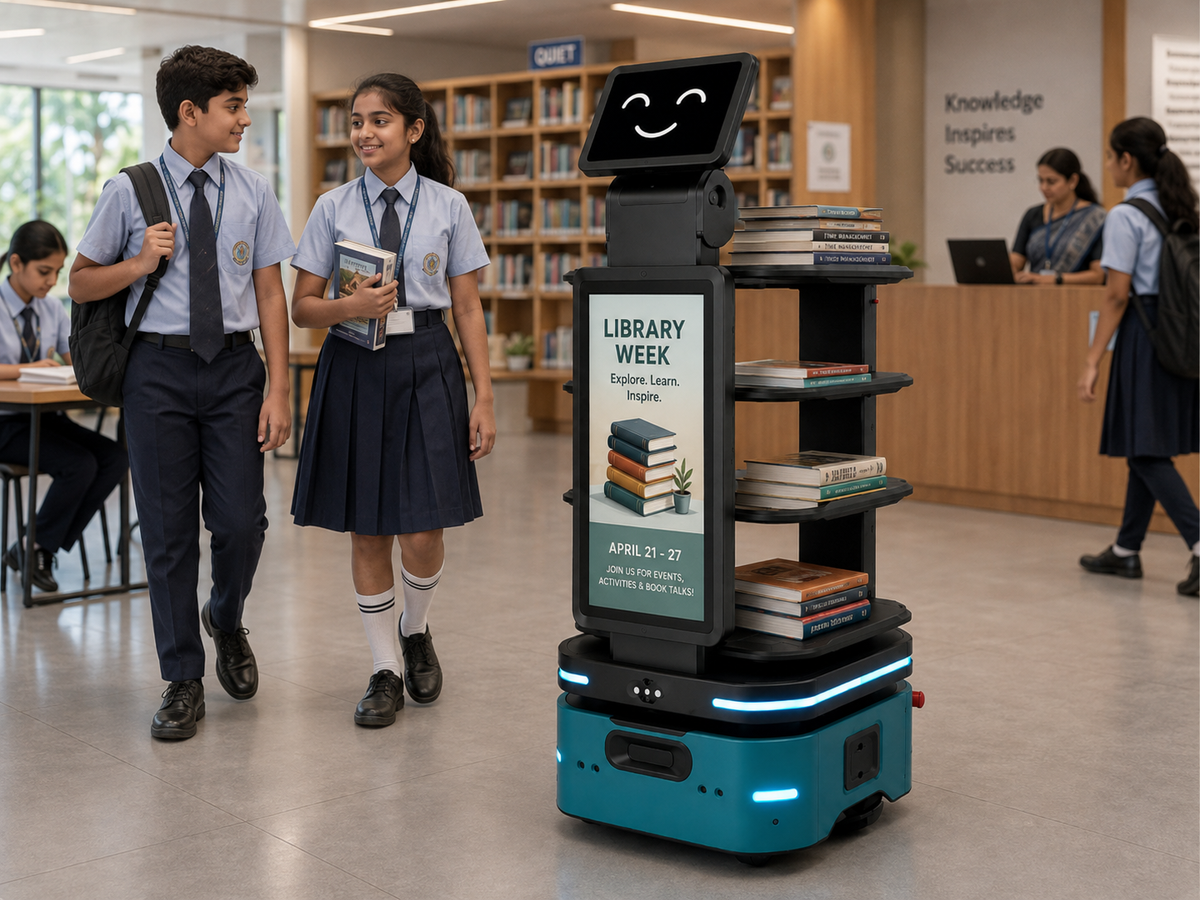
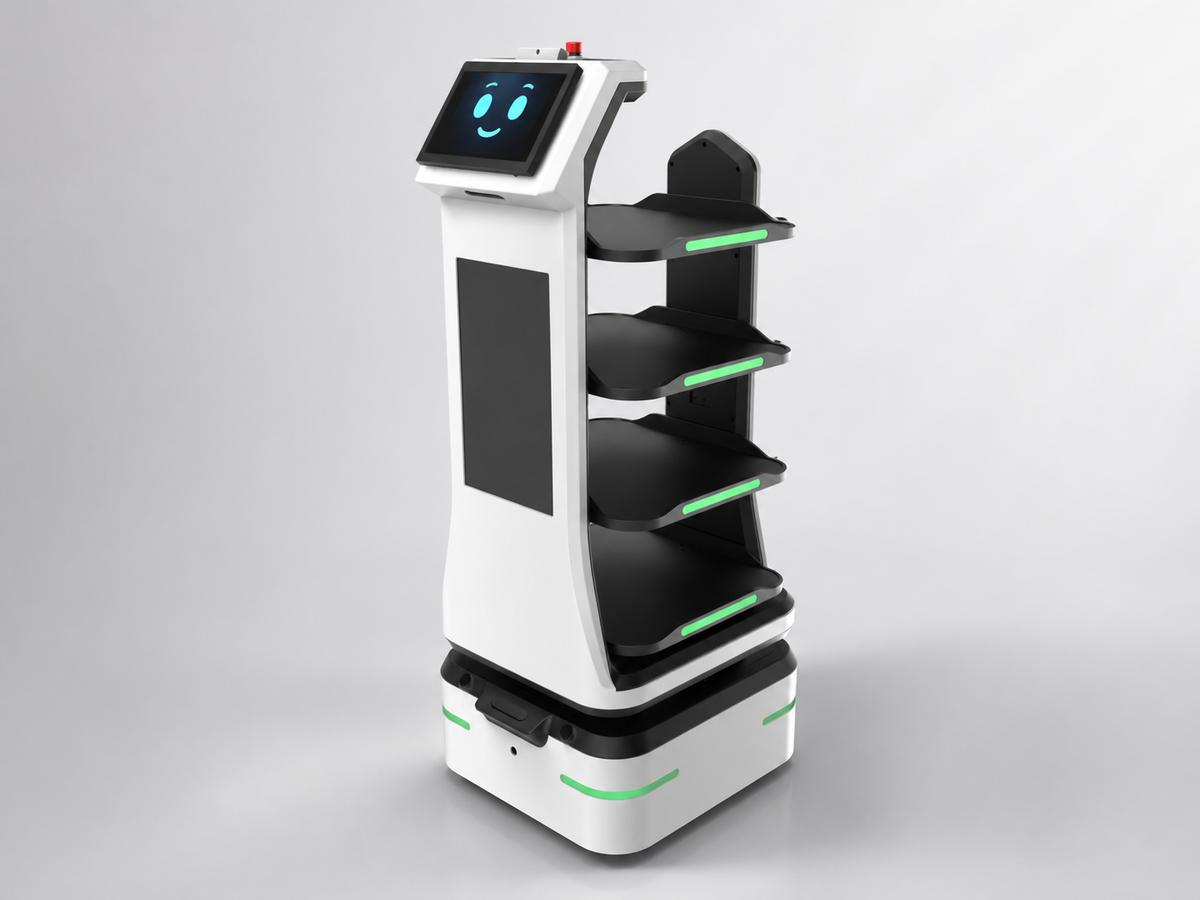
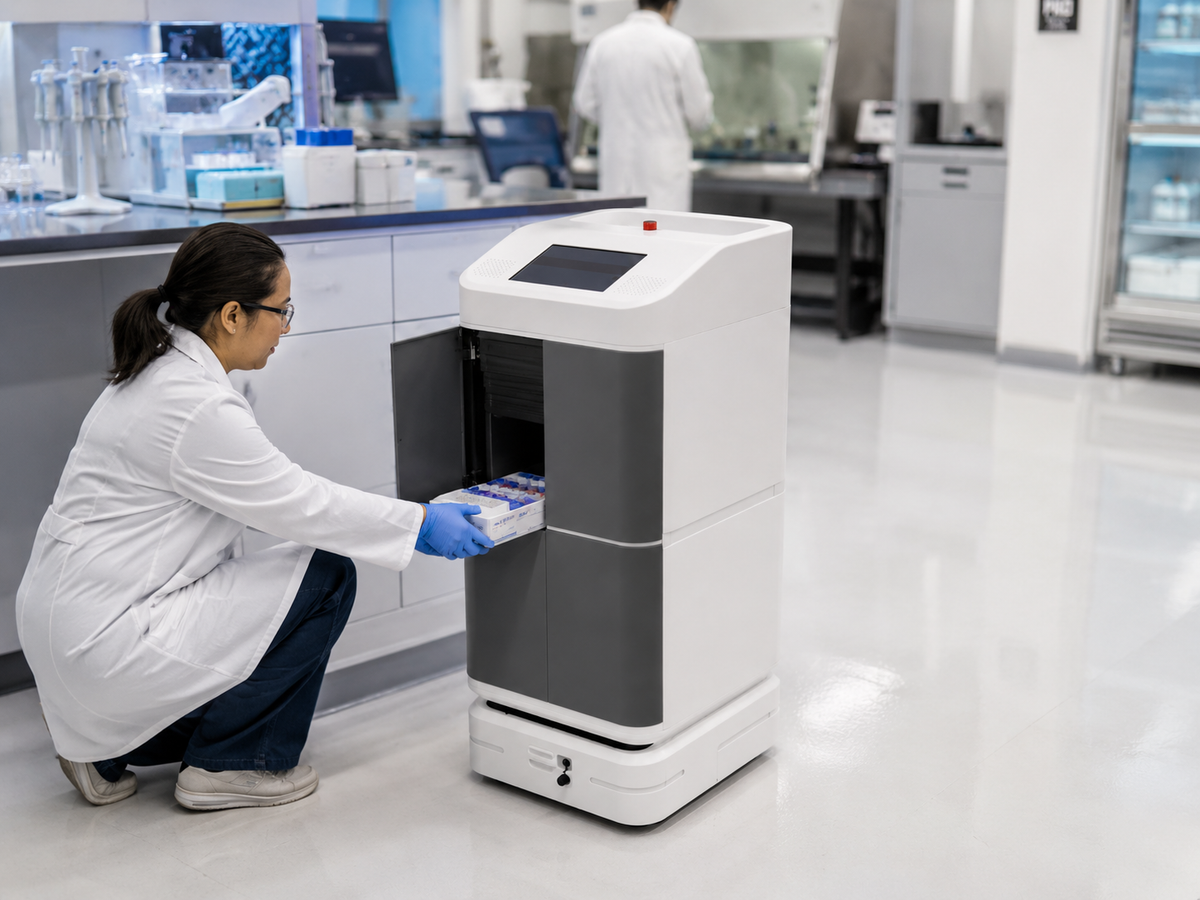
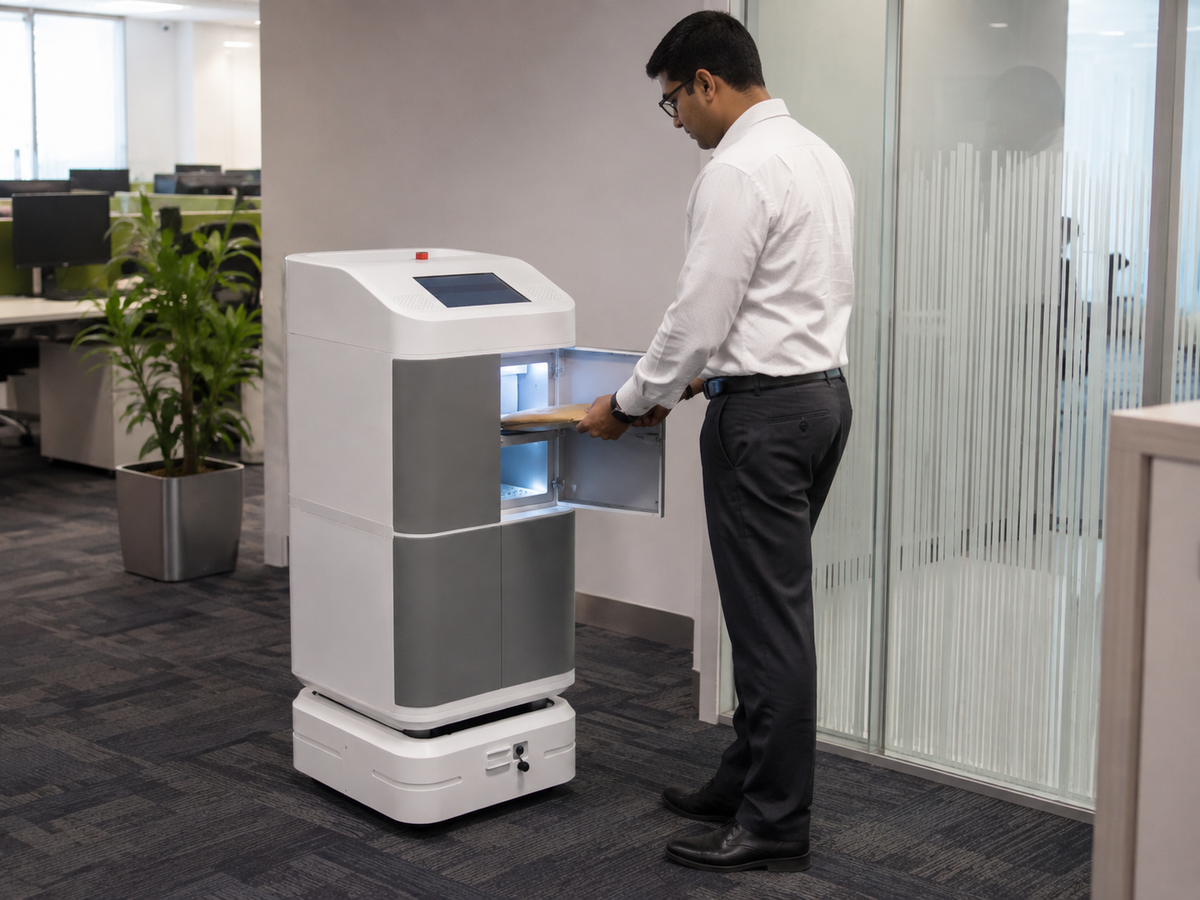
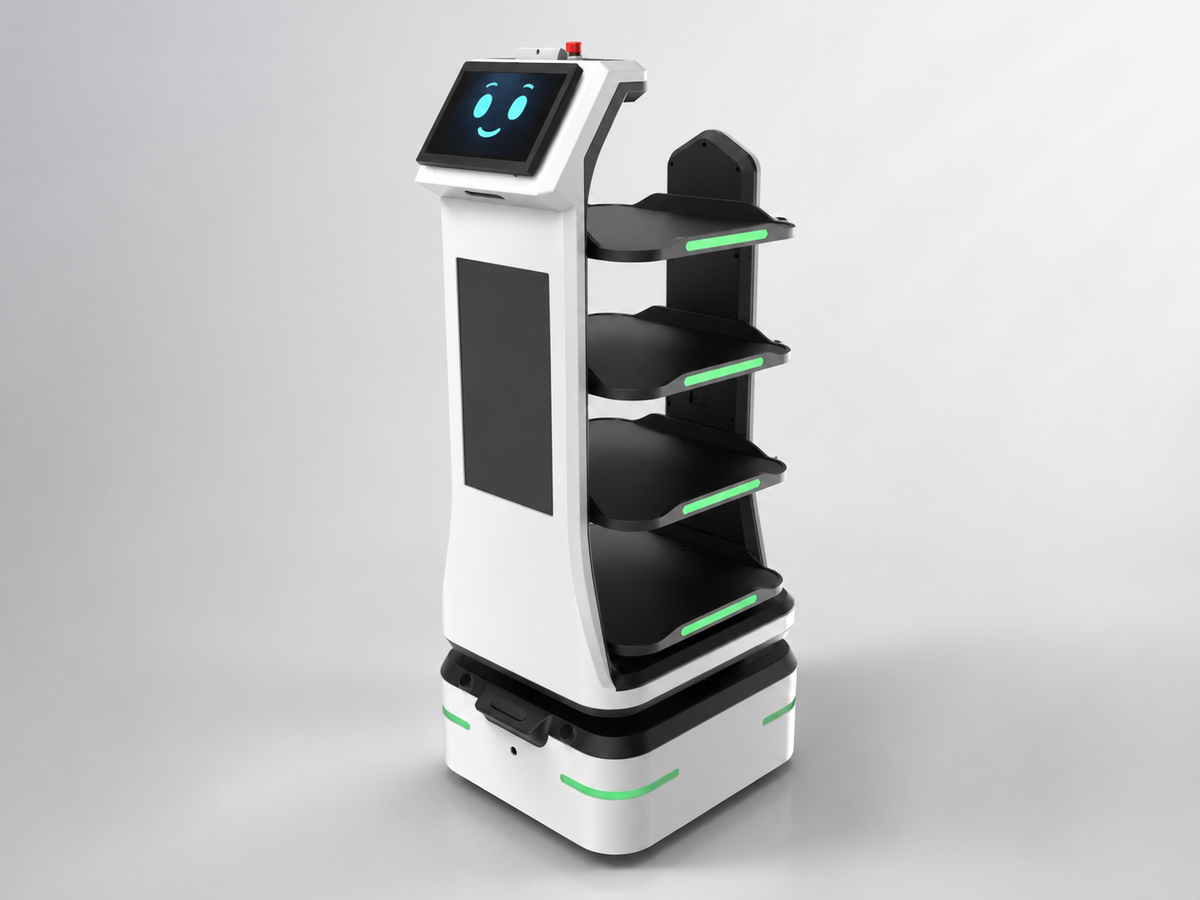
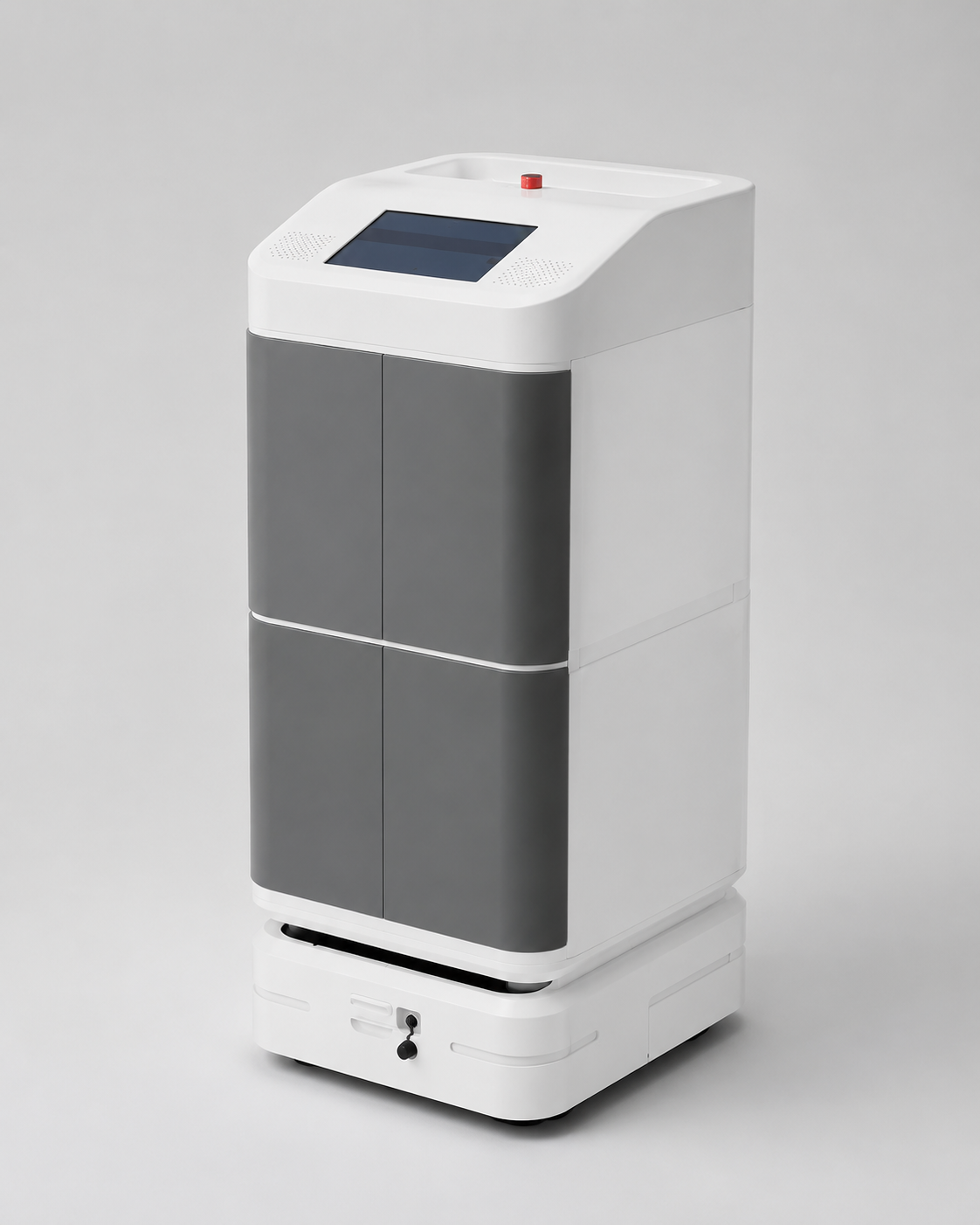
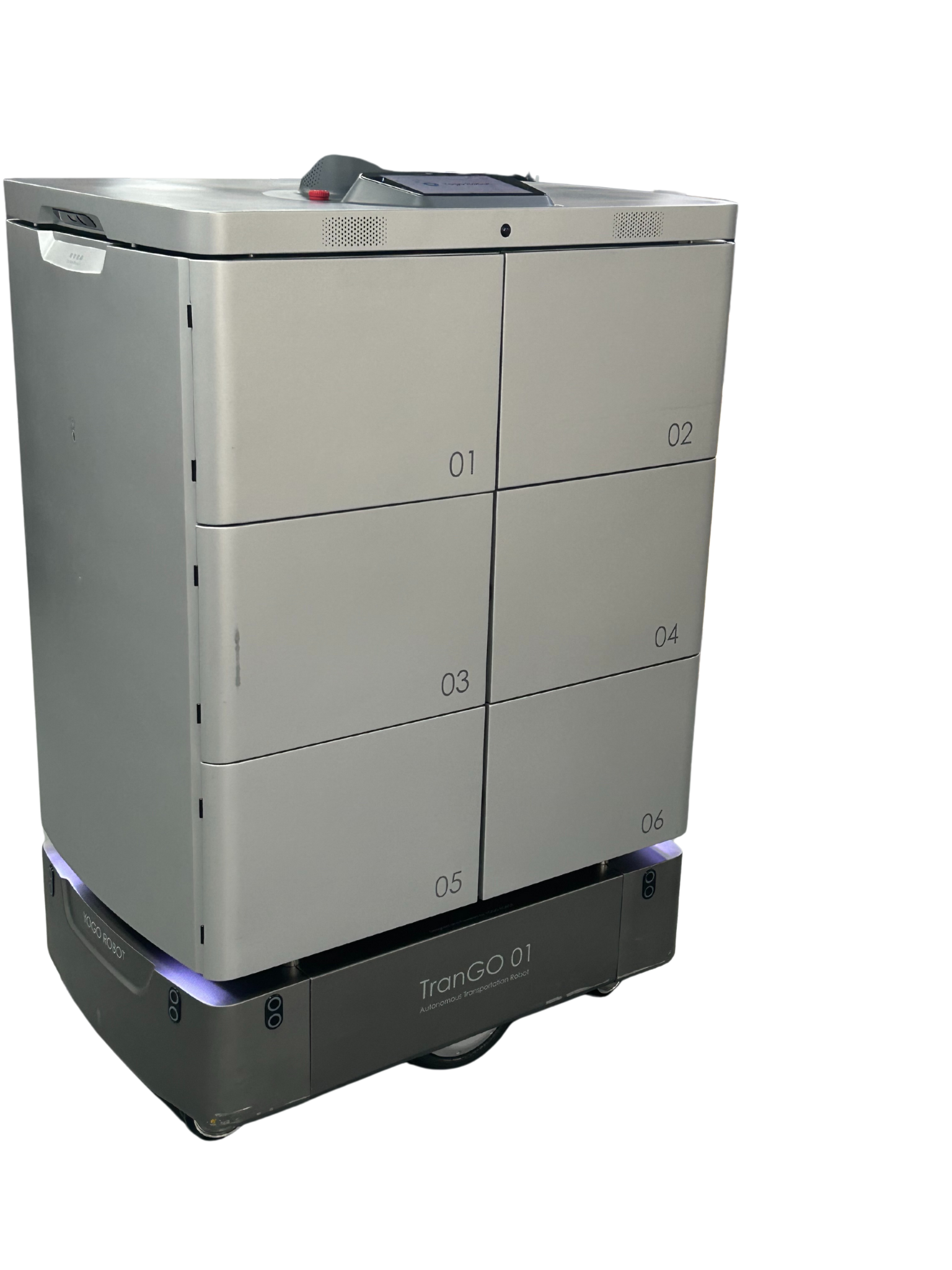
Different hospital payloads require different robot formats, from open service transport to enclosed compartments for controlled internal movement.


Robotic hospital carts are autonomous mobile robots (AMRs) designed to transport materials throughout a healthcare facility without human intervention. Equipped with advanced navigation systems, sensors, obstacle detection, and intelligent route planning, these carts can move safely through corridors, elevators, and hospital departments.
They can be programmed to deliver:
By automating routine transportation tasks, hospitals can reduce manual workload and improve operational efficiency.
Nurses, attendants, and support staff often spend significant time transporting items between departments. Robotic carts take over these repetitive tasks, allowing healthcare professionals to focus on patient care and clinical responsibilities.
Autonomous carts follow predefined routes and schedules, ensuring timely deliveries throughout the facility. This consistency reduces delays and improves coordination between departments.
Minimizing human handling of medicines, food trays, blood samples, and linen can help reduce contamination risks. Robotic carts provide a touchless delivery process that supports hospital hygiene protocols.
Unlike manual transportation systems, robotic carts can operate continuously throughout the day and night. This capability is particularly valuable for large hospitals with high patient volumes and emergency care requirements.
By automating routine logistics, hospitals can optimize workforce utilization and reduce the costs associated with manual transportation tasks. Over time, this contributes to significant operational savings.
Robotic carts can transport medicines from central pharmacies directly to wards, intensive care units, and nursing stations, ensuring faster medication distribution.
Blood samples, tissue specimens, and diagnostic materials can be delivered safely and quickly to laboratories, reducing turnaround times for test results.
Patient meals can be transported efficiently from kitchens to wards while maintaining delivery schedules and reducing manual handling.
Fresh linen can be delivered automatically, while used linen can be collected and transported for processing, improving housekeeping efficiency.
Files, documents, and other administrative materials can be moved between departments without requiring dedicated staff resources.
As hospitals continue their digital transformation journey, robotic delivery carts are becoming an integral part of smart healthcare infrastructure. Integration with hospital management systems, IoT devices, and automated inventory platforms allows seamless coordination of logistics operations.
The result is a more efficient, safer, and patient-focused healthcare environment where routine transportation tasks are handled autonomously.

Robotic carts are revolutionizing hospital logistics by automating the delivery of medicines, linen, food, blood samples, files, and other essential items. By reducing manual workload, improving delivery accuracy, enhancing infection control, and enabling 24/7 operations, these intelligent systems help hospitals deliver better patient care while optimizing operational efficiency.
For healthcare facilities seeking to modernize internal logistics, autonomous robotic carts represent a practical and scalable solution for the future of hospital automation.
For more information, WhatsApp Rife Technologies at 9811014571.
Robotic carts are autonomous mobile robots (AMRs) designed to transport medicines, blood samples, food, linen, medical supplies, and documents throughout a hospital. They automate internal logistics, reducing manual effort and improving operational efficiency.
Robotic carts handle routine transportation tasks automatically, allowing nurses and healthcare staff to spend more time on patient care. They also ensure faster, more reliable deliveries between departments, helping streamline hospital workflows.
Yes. Hospital robotic carts are equipped with secure compartments, advanced navigation systems, and obstacle detection technology to safely transport medicines, blood samples, laboratory specimens, and other sensitive materials while maintaining delivery accuracy.
By reducing human handling of items such as food trays, medicines, and blood samples, robotic carts help minimize cross-contamination risks. Their touchless delivery process supports hospital hygiene and infection prevention protocols.
Yes. Robotic delivery carts can be deployed in multi-specialty hospitals, medical colleges, clinics, and healthcare campuses of various sizes. They can be customized to transport different types of supplies and integrate with existing hospital management systems.
Hospital computer carts and clinical workstations deployed across 30+ leading hospitals across India.