
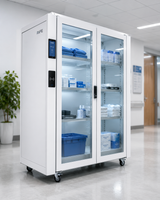
VISIBLE BUT MANUAL
Seeing the shelf does not automatically create an inventory record.
- Manual stock counts
- Unclear movement
- No user trail
- Missing-item uncertainty
- Delayed replenishment
What are you looking for?
Popular Searches:
Popular Products
Ask about RFID Inventory Cabinet with Glass Door
Need Help?
Send your quantity, use case and accessories needed. Rife will suggest the correct configuration.
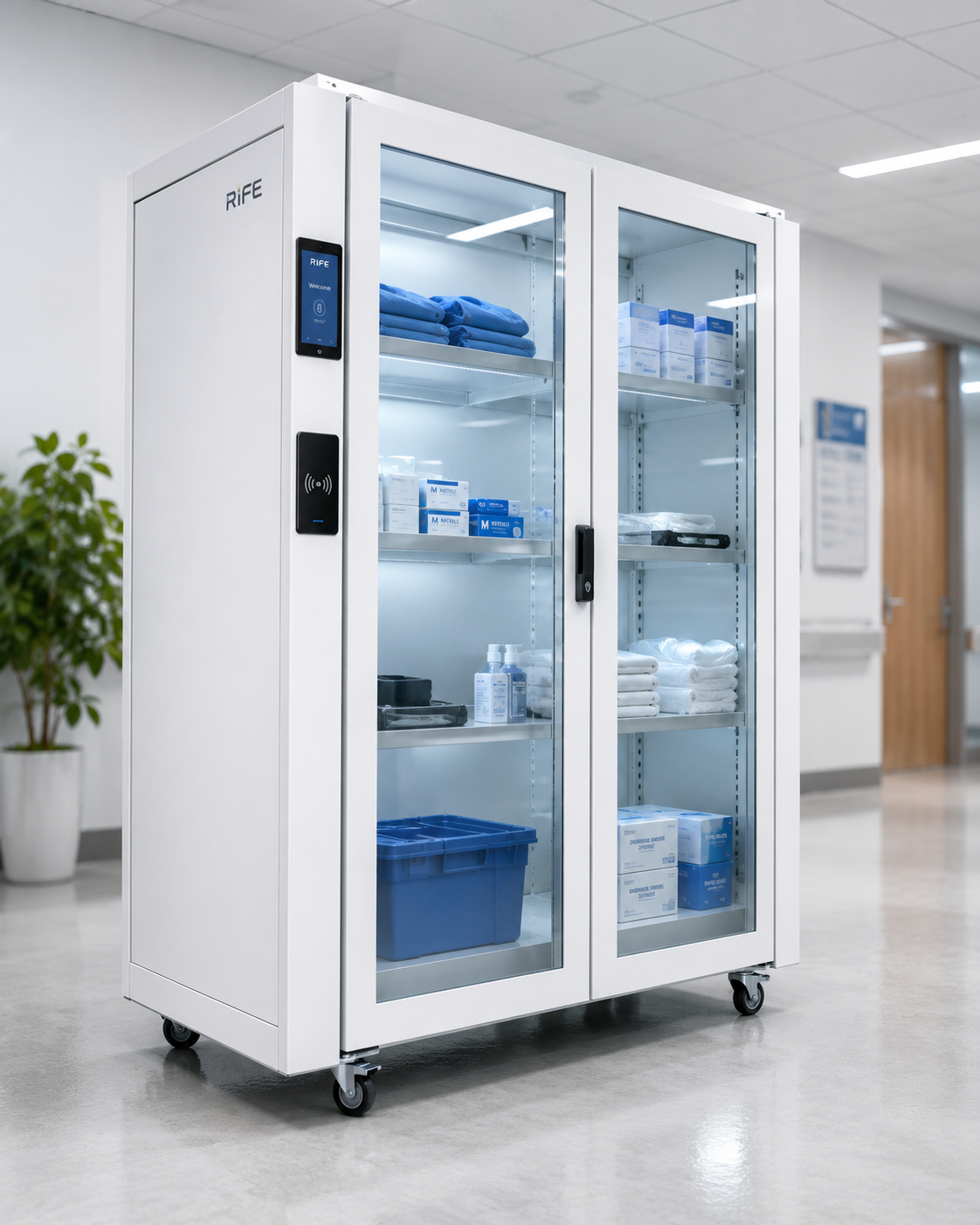
The RIFE RFID Inventory Cabinet with Glass Door combines visible storage with RFID item identification, electronic access control and inventory software for medical supplies, components, tools, samples, kits and other high-value stock.
The glass-door format keeps stored items visually inspectable while RFID and transaction records provide digital visibility of what entered, what left and who accessed the cabinet.
See the technology working →View configuration
Registered RFID-tagged items can be detected automatically within the controlled shelf zone.
RFID card, PIN, QR code or optional biometric access can be configured with user permissions.
Current stock, item status, movement history and inventory exceptions can be displayed.
Glass-door storage keeps physical contents visible while RFID provides digital movement visibility.
User, item, date, time and transaction status can be recorded for audit and reporting.
Minimum-stock and replenishment alerts can be configured around the application.
Shelves, bins, drawers and compartments can be planned around the actual items.
Optional API or structured-data integration can be proposed after technical review.
This dashboard graphic is explanatory and illustrates supported workflow states; it is not presented as an exact software screenshot.
Support controlled stock visibility for tagged medical supplies and reusable items.
Track tagged components used in manufacturing and assembly workflows.
Improve visibility of maintenance spares, tools and reusable equipment.
Use RFID shelf zones for controlled stock and movement visibility.
Support accountable access to tagged laboratory stock and reusable assets.
Manage shared supplies, equipment and controlled inventory points.
Share the item types, shelf layout, tag requirements, access method, exception rules and dashboard / integration requirements.