
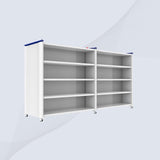
TRADITIONAL OPEN RACK
Items move quickly, but inventory records often lag behind.
- Manual counts
- Barcode dependence
- Missing-item uncertainty
- Delayed stock updates
- Weak movement history
What are you looking for?
Popular Searches:
Popular Products
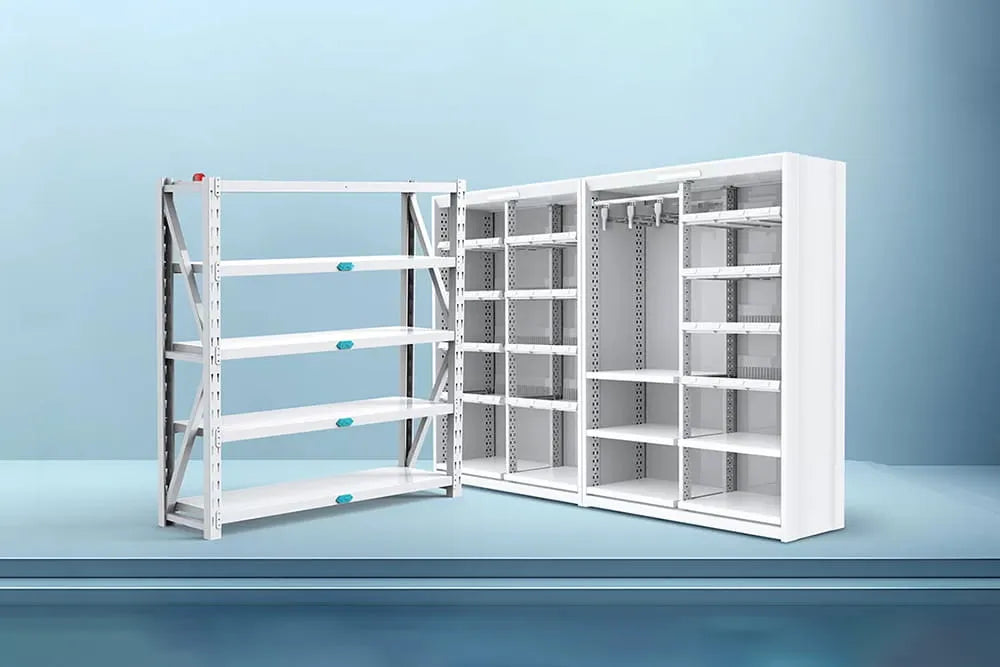
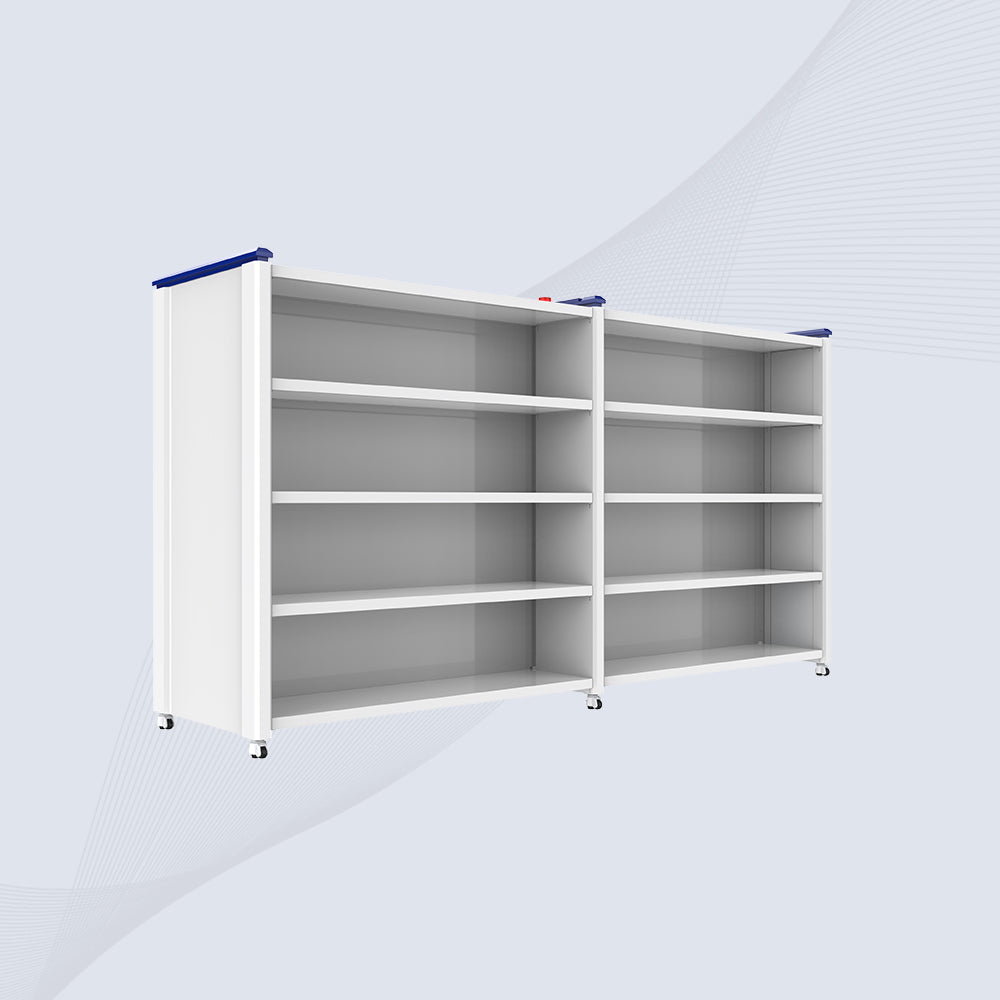
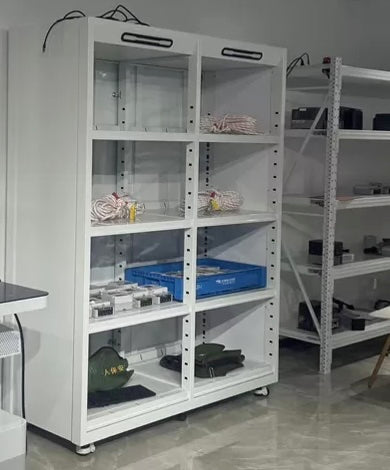
Ask about RFID Smart Inventory Rack — Open Shelf System
Need Help?
Send your quantity, use case and accessories needed. Rife will suggest the correct configuration.
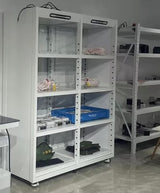
The RIFE RFID Smart Inventory Rack is an open-shelf UHF RFID system that automatically identifies tagged items placed on or removed from the rack and updates inventory visibility in real time.
Integrated RFID antennas and a concealed reader create controlled shelf zones that feed item presence, movement and exception data to inventory software, ERP or WMS workflows.
See the technology working →View configuration
Tagged items are identified automatically inside the configured rack zone.
Antennas can be concealed behind side panels, back panels or shelf zones.
The UHF reader can be housed within the rack control compartment.
Item presence, removals and movement history update automatically.
Antenna positioning, tuning and shielding help reduce unwanted cross-reads.
Configured exception logic can surface low-stock or missing-item states.
Inventory data can connect to local or cloud software environments.
Integration can be proposed through API or structured data exchange after technical review.
The current product supports antenna positioning and tuning so designated shelf areas can be read while reducing unwanted cross-reads from neighbouring racks.
RF shielding or RF-absorbing material can be incorporated where the application requires it.
This is an explanatory dashboard visual, not an exact software screenshot.
Automatic visibility of tagged stock across open rack zones.
Track components and spare parts without individual barcode scanning.
Monitor tagged tools and accountable equipment stored on open shelves.
Support real-time tagged inventory visibility in supply rooms.
Track tagged devices, boxes and equipment in open storage areas.
Connect physical rack movement with digital inventory records.
Share the item types, tag type, rack dimensions, shelf count, neighbouring-rack layout, RF environment, alert rules and ERP / WMS integration requirements.