Robots FAQ
What is a Telepresence Robot and How Does it Work? In an era where remote work, distance learning, and automation are reshaping industries, telepresence robots have emerged as an innovative solution to bridge geographical gaps. These smart devices allow users to be "present" in a remote location, enabling real-time interaction, mobility, and control. But what exactly is a telepresence robot, how does telepresence work, and how do these smart robots fit into different applications, including education? Let’s explore the technology behind telepresence and smart robots....
The Ultimate Guide to Standing Desks: Everything You Need to Know
What Is a Standing Desk? A standing desk is a height-adjustable workstation designed to allow users to stand while working. It promotes better posture, reduces sedentary behavior, and can improve overall health and productivity. Unlike traditional desks, standing desks can be adjusted to different heights to accommodate different users and preferences. What Are Standing Desks? Standing desks come in various styles and configurations, each catering to specific needs. Some of the most common types include: Fixed Standing Desks: These desks are set at a specific...
FAQ Questions about monitor arms
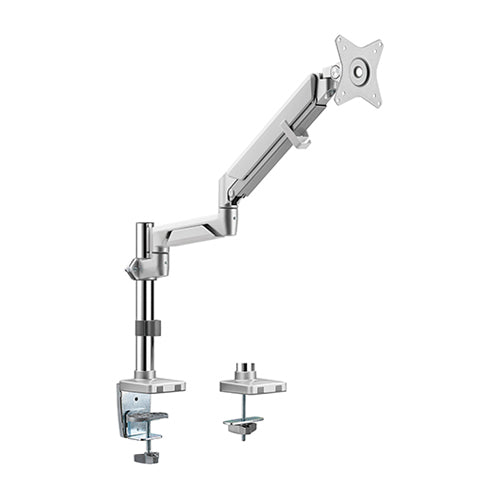
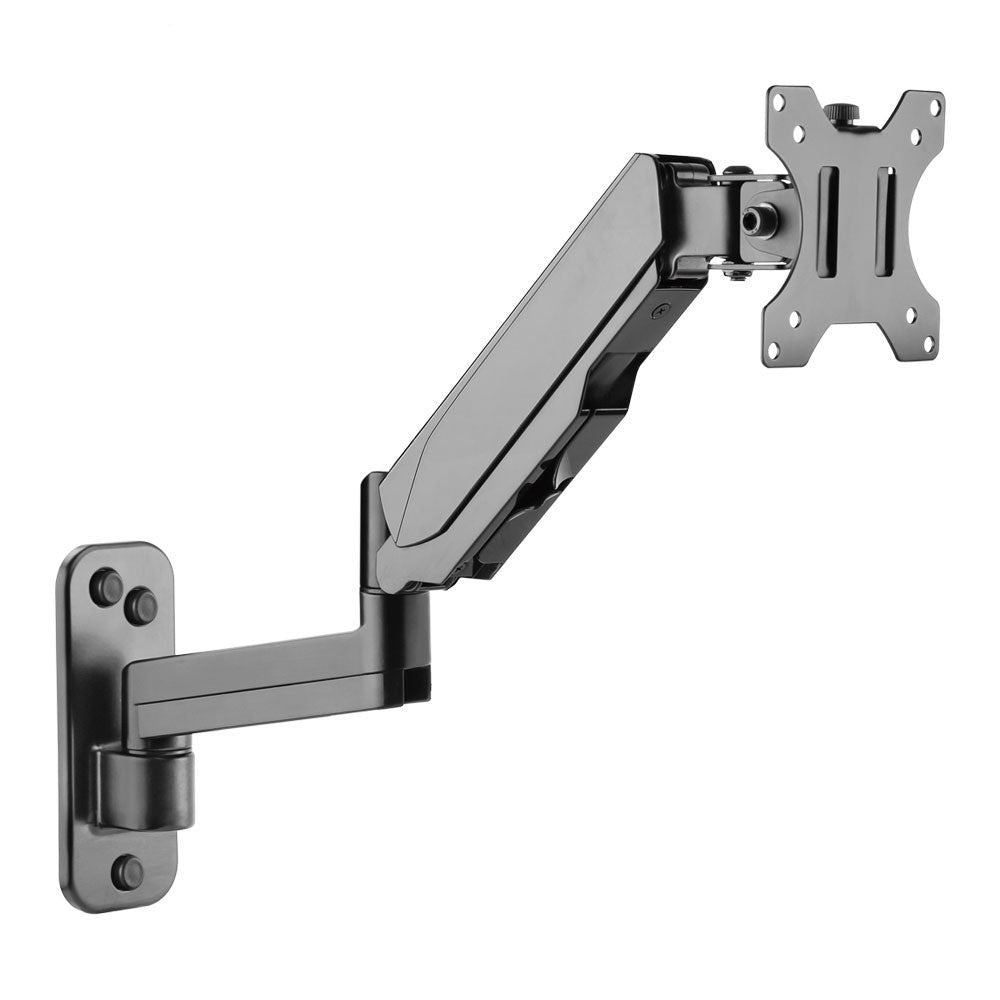
What is a Gas Spring Monitor Arm? A gas spring monitor arm is a mounting device designed to hold and adjust computer monitors using a gas-powered mechanism. The gas spring provides smooth, precise movements, allowing users to adjust the height, tilt, and swivel of their monitors effortlessly. This type of monitor arm is ideal for ergonomic workspaces, offering flexibility and reducing strain on the neck and eyes. Unlike traditional monitor stands, gas spring monitor arms allow for fluid and dynamic adjustments. They are perfect for...
Facial Recognition Lockers
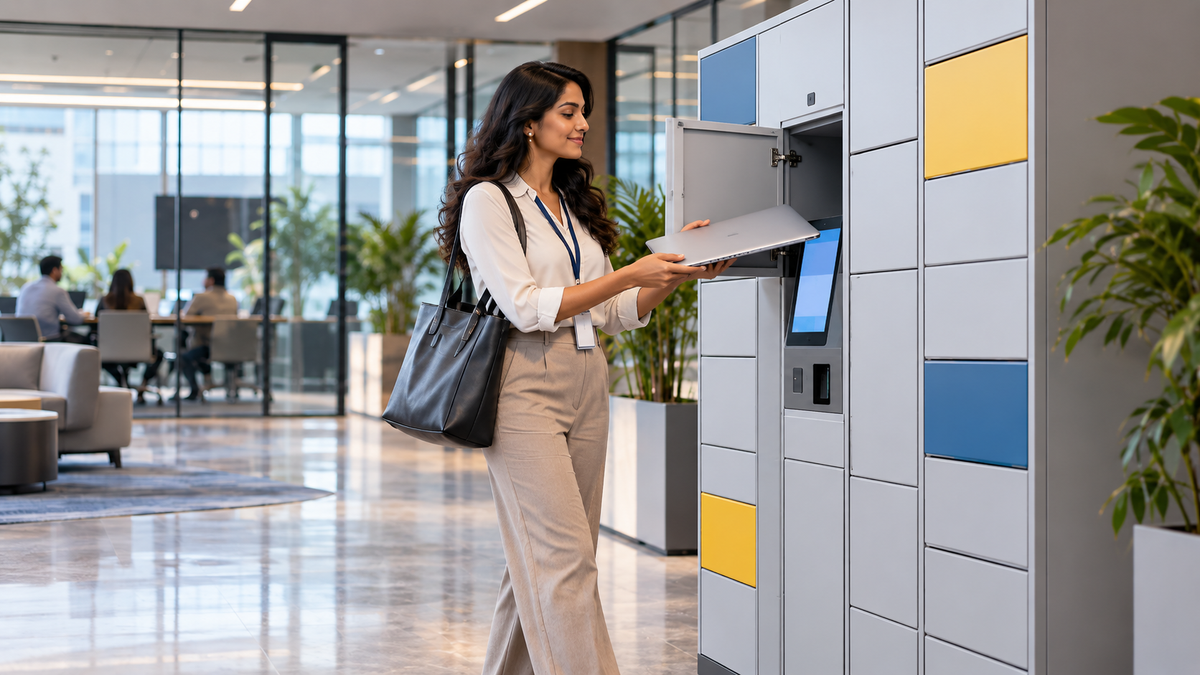
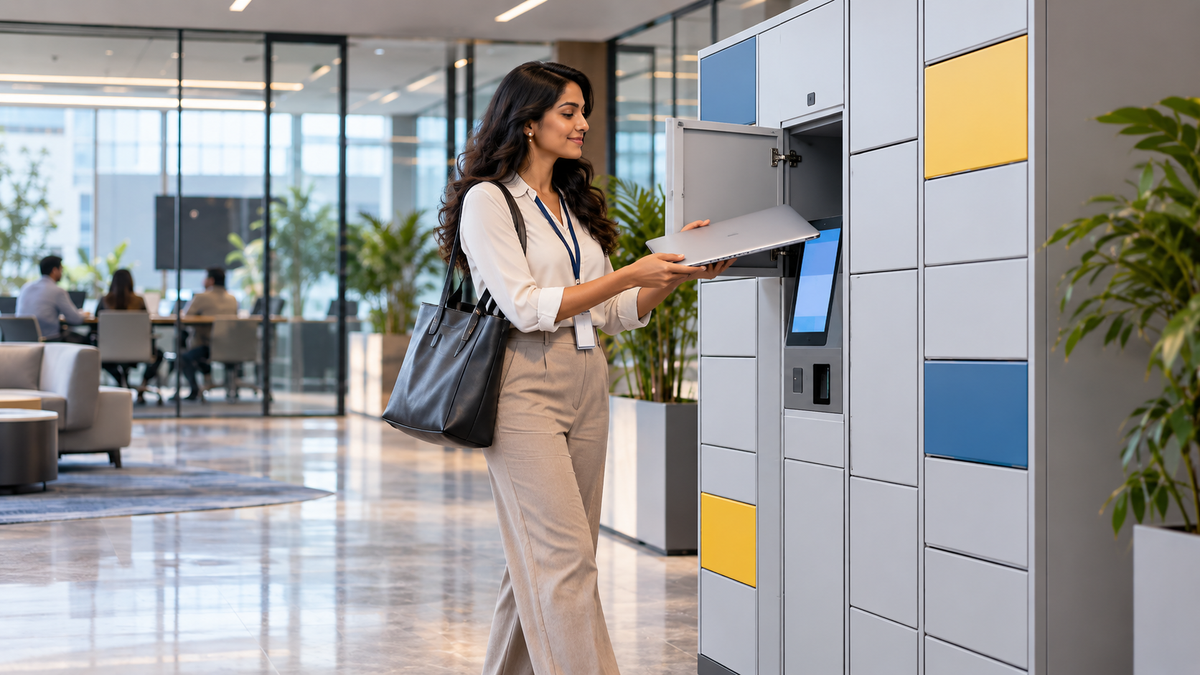
How Do facial recognition Lockers Ensure Data Privacy and Security? facial recognition lockers use advanced biometric technology to offer secure, keyless access. But how do they protect data privacy and security? First, these lockers rely on encrypted facial templates rather than storing actual images. This means hackers cannot retrieve a usable photo of your face. The encryption ensures that even if data is intercepted, it remains unreadable. Second, most facial recognition systems use local processing instead of cloud storage. By keeping biometric data on the...