How Delivery Robots Work — The Technology Behind Hospitality Robots in India
Delivery robots are no longer science fiction. Across hotels, restaurants and hospitals in India, autonomous robots are navigating corridors, delivering food and medicines, and interacting with guests — without human intervention. But how exactly do they work? What technology makes a robot navigate a busy hotel lobby, avoid a guest walking across its path, and find the right room?
This guide explains the core technologies behind modern delivery robots — and how RIFE's hospitality robots use them in real Indian deployments.
The Core Technologies Inside a Delivery Robot
1. SLAM — Simultaneous Localisation and Mapping
SLAM is the foundational technology that allows a robot to navigate an unknown or changing environment. Using a combination of LiDAR (laser sensors), cameras and ultrasonic sensors, the robot simultaneously builds a map of its environment and tracks its own position within that map — in real time.
In a hotel, this means the robot can be deployed in a new property, map the entire floor plan autonomously in its first few runs, and then navigate reliably between the kitchen, service lift and guest rooms without pre-programmed routes.
2. LiDAR — Laser-Based Obstacle Detection
LiDAR (Light Detection and Ranging) fires thousands of laser pulses per second and measures the time each pulse takes to return after bouncing off an object. This creates a precise 3D point cloud of the robot's surroundings, updated many times per second.
LiDAR allows the robot to detect obstacles — a guest stepping into the corridor, a luggage trolley left in the hallway, a door that has been left open — and navigate around them in real time without stopping or requiring human intervention.
3. Computer Vision — Camera-Based Perception
Alongside LiDAR, delivery robots use cameras and computer vision algorithms to identify and classify objects in their environment. This allows the robot to distinguish between a static obstacle (a chair) and a dynamic one (a person walking), and to predict the trajectory of moving objects to plan a safe path around them.
Computer vision also enables the robot to read QR codes, recognise lift buttons, and identify docking stations for autonomous charging.
4. Path Planning Algorithms
Once the robot knows where it is (SLAM) and what's around it (LiDAR + vision), it uses path planning algorithms to calculate the optimal route from its current position to its destination — avoiding obstacles, respecting no-go zones, and choosing the most efficient path.
Modern delivery robots use dynamic path planning — continuously recalculating the route as the environment changes, rather than following a fixed pre-programmed path.
5. Lift and Door Integration
In multi-floor hotel deployments, delivery robots need to use lifts autonomously. This requires integration between the robot's control system and the building's lift control system — the robot calls the lift, enters when the doors open, selects the correct floor, and exits when it arrives.
RIFE's hospitality robots support lift integration for multi-floor hotel and hospital deployments across India.
6. Human-Robot Interaction (HRI)
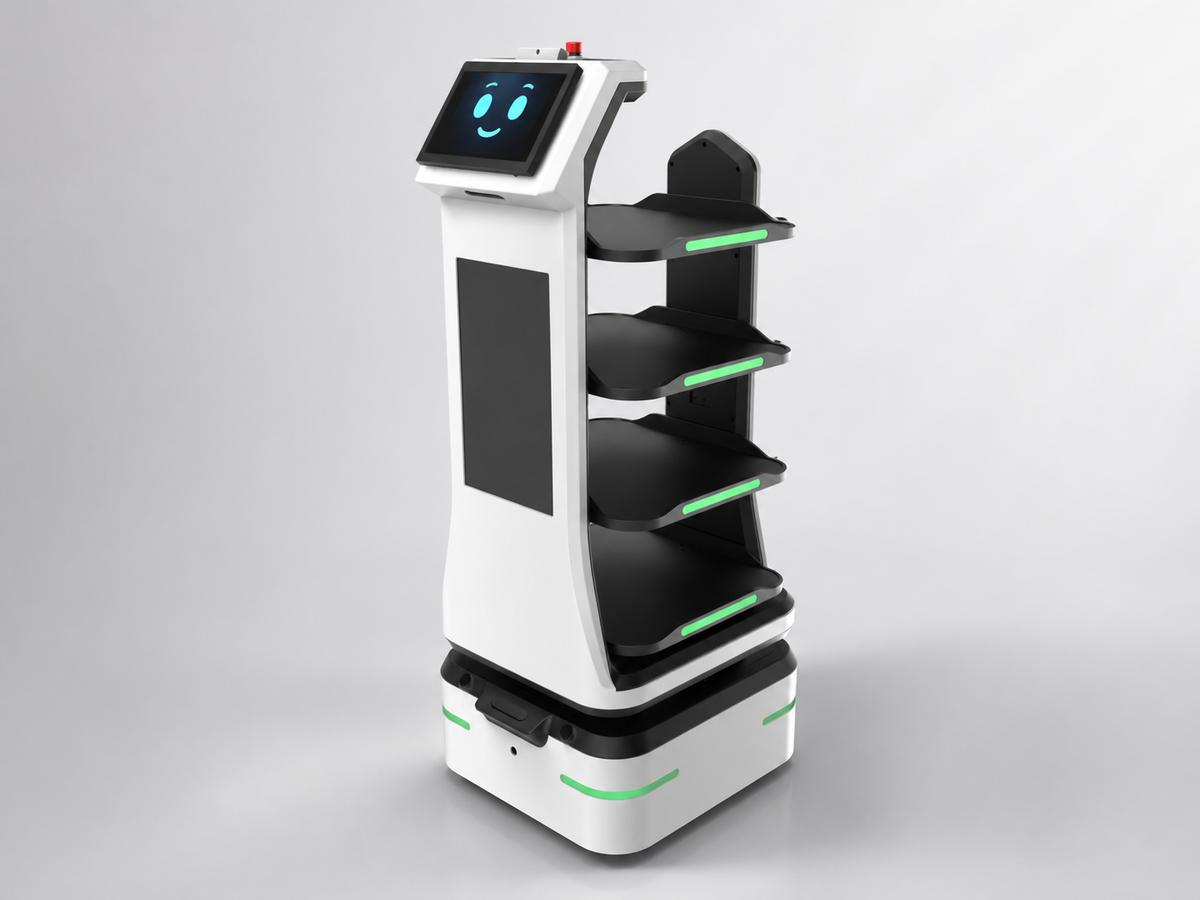
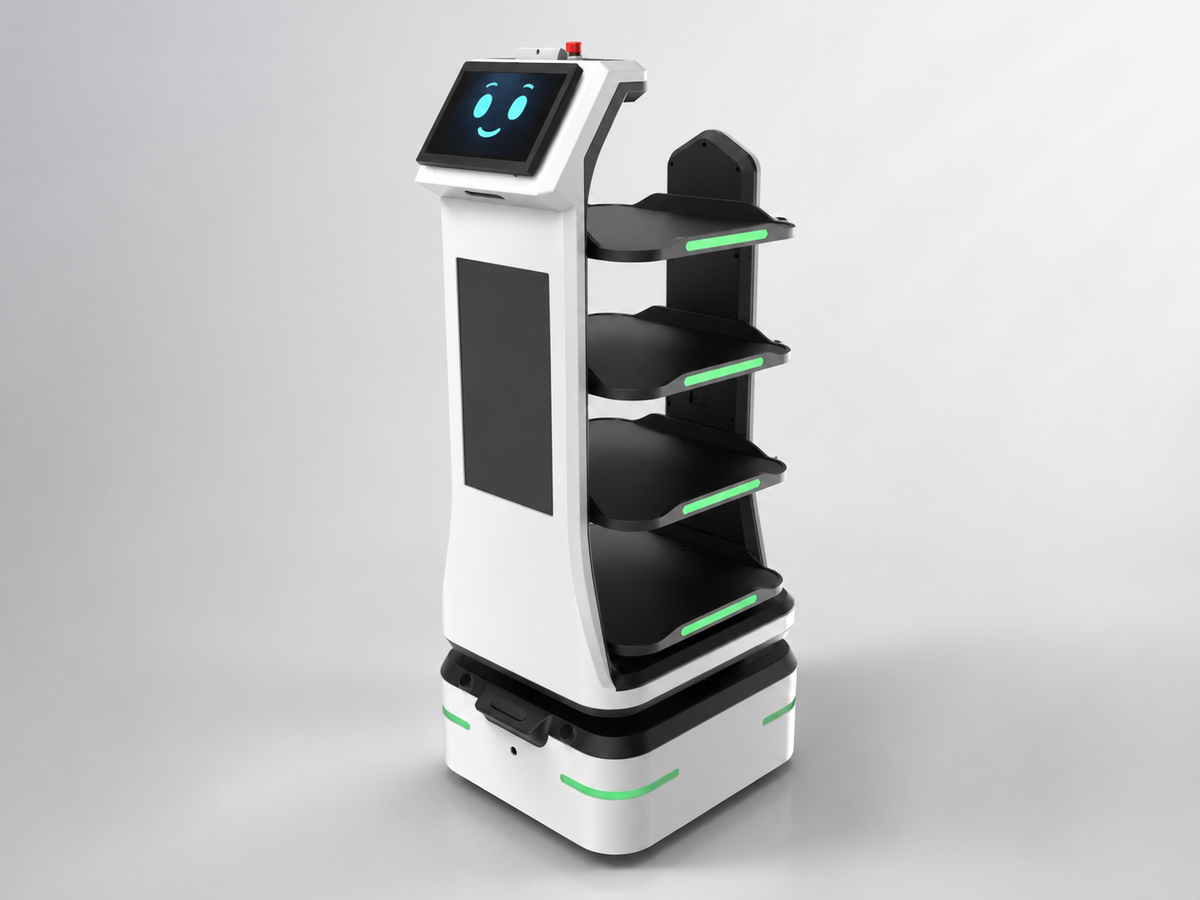
Delivery robots in hospitality environments need to interact with guests and staff naturally. This includes a touchscreen interface for guests to collect their delivery, voice interaction for simple commands, and expressive displays that communicate the robot's status and intent.
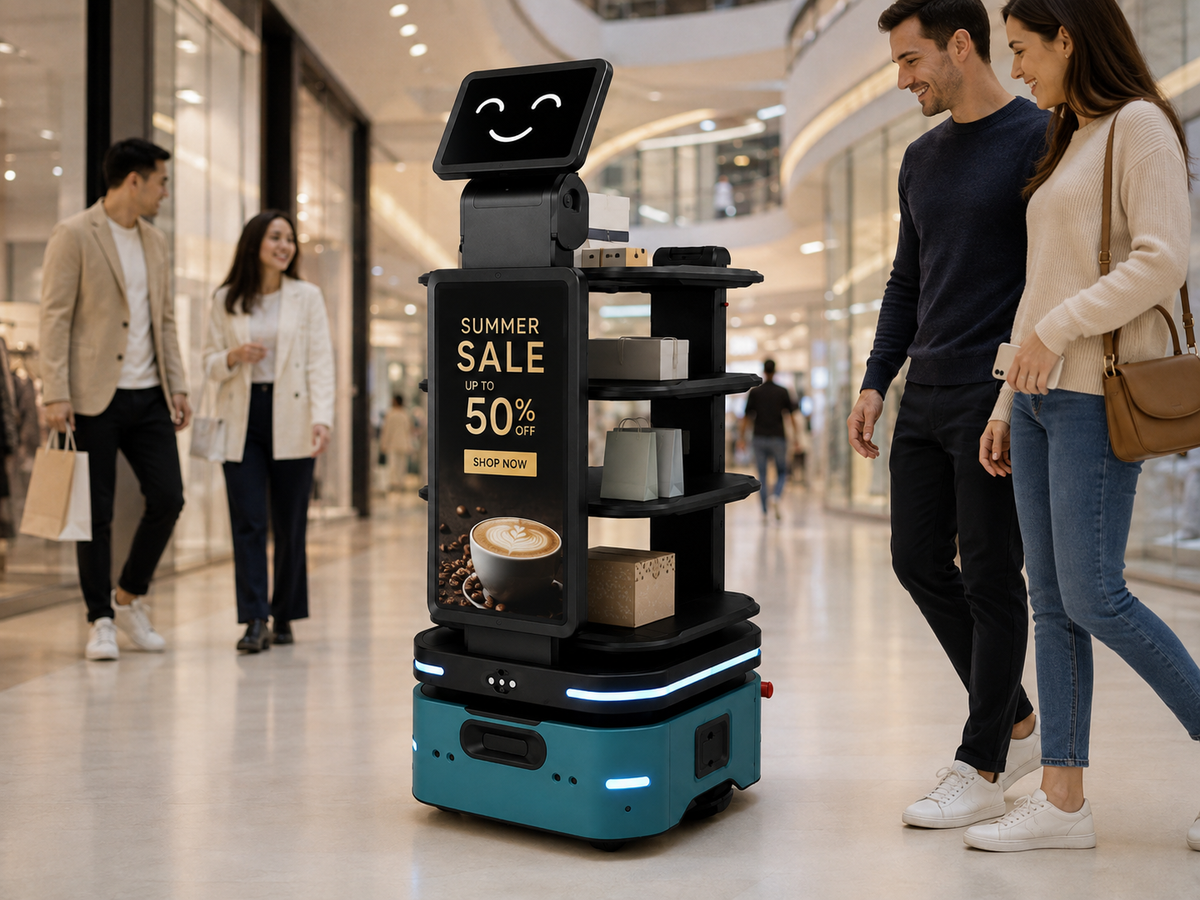
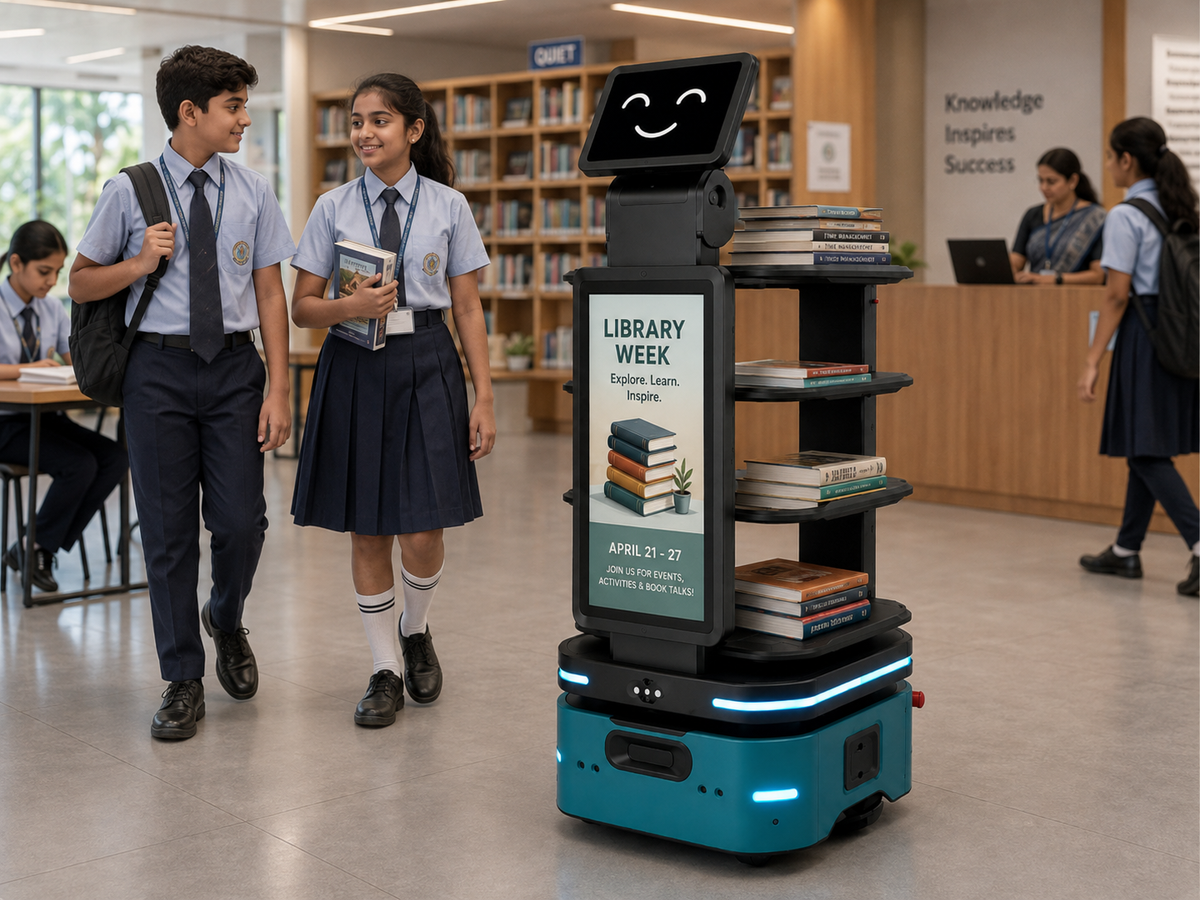
RIFE's robots include a front-facing display for guest interaction, with customisable branding and messaging for each property.
RIFE Delivery and Hospitality Robots in India
RIFE Technologies supplies autonomous delivery and service robots to hotels, restaurants and hospitals across India. Our hospitality robot range includes:
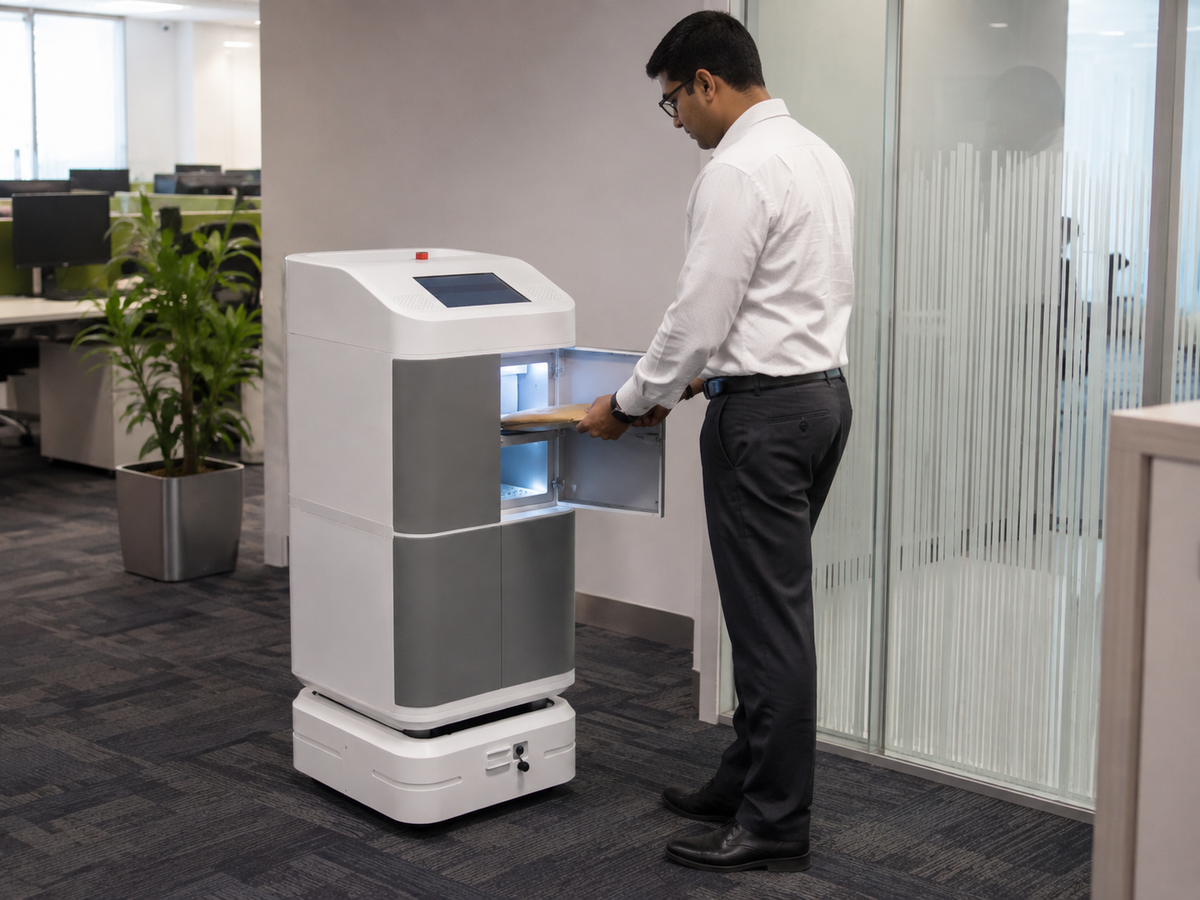
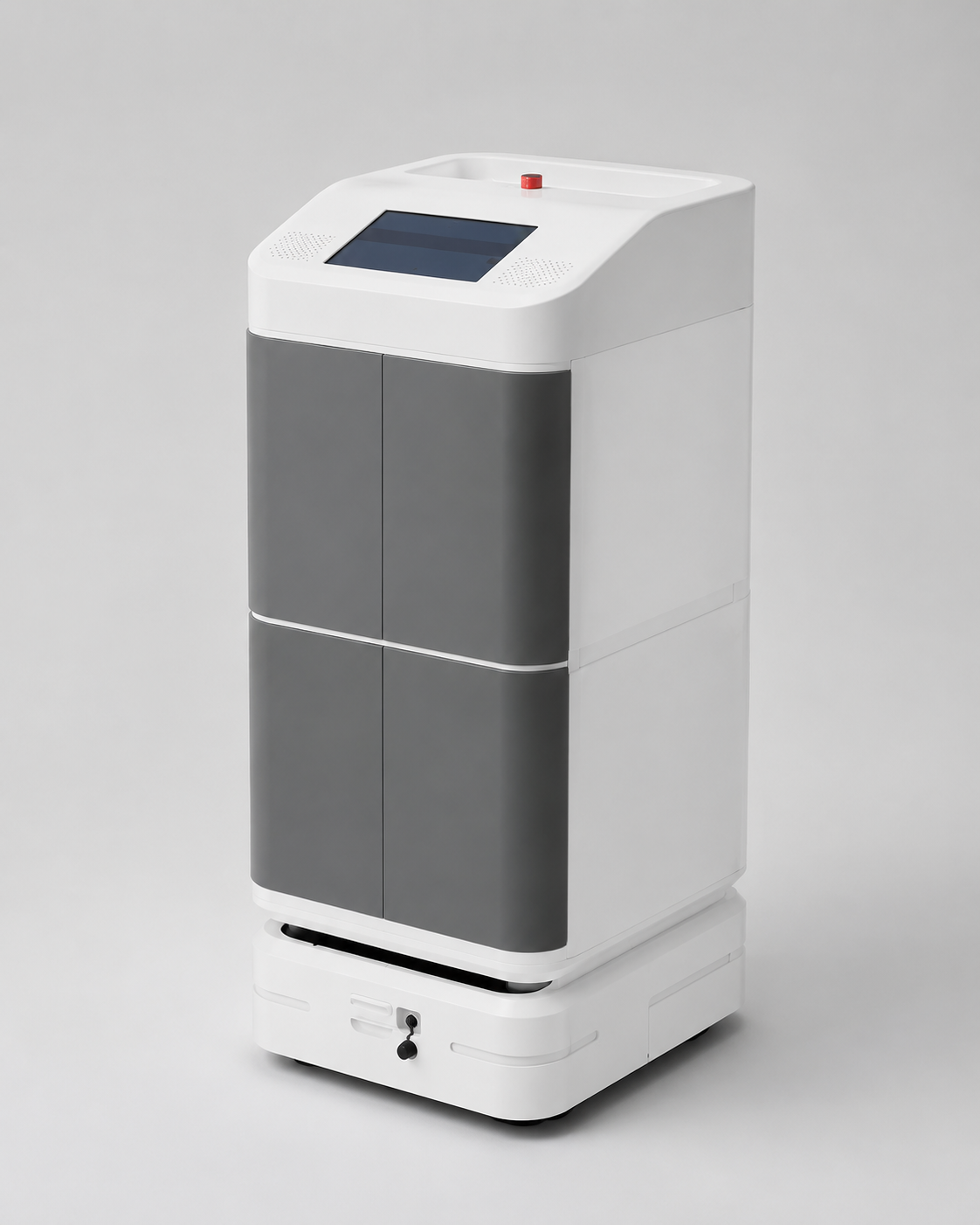
- RIFE Premium Delivery Robot for Hotels and Restaurants — autonomous food and amenity delivery robot with SLAM navigation, LiDAR obstacle avoidance, lift integration and guest interaction display. Deployed in hotels and restaurants across India.
- Holabot Dish Collecting Robot for Restaurants and Hotels — autonomous dish collection and tray return robot for restaurant and hotel dining environments. Reduces staff workload and improves table turnover.
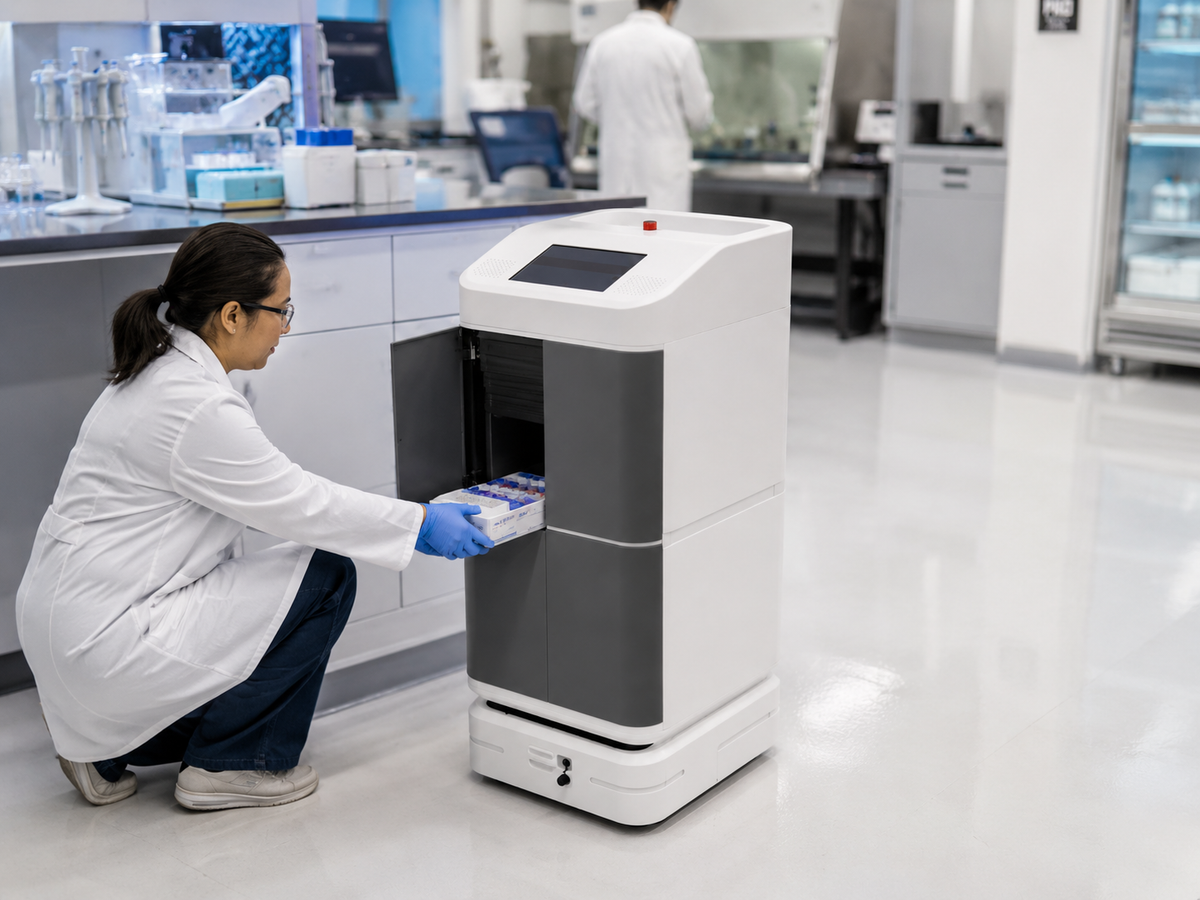
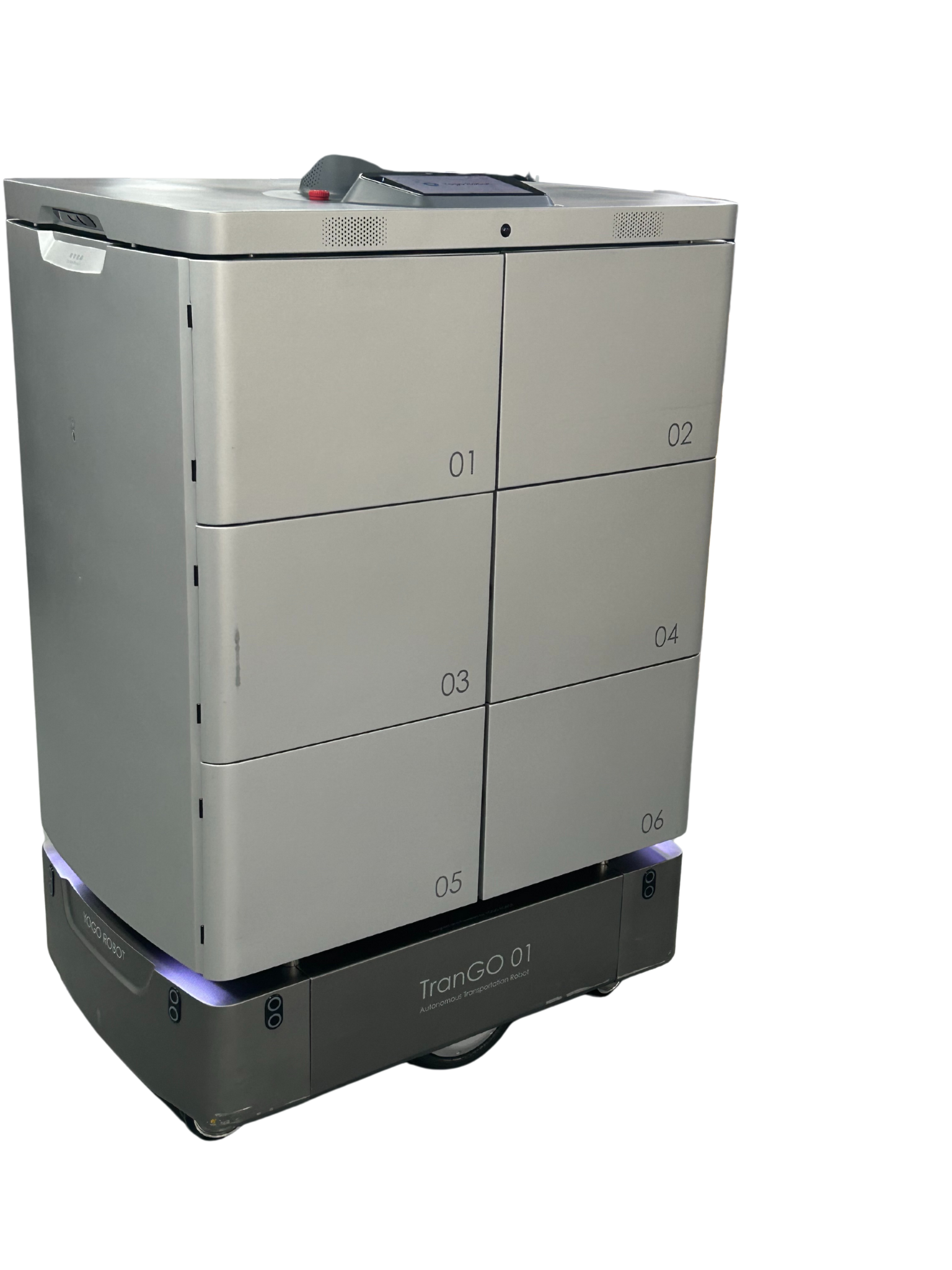
- Holabot Hospital Delivery Robot — autonomous delivery robot for hospital environments, delivering medications, lab samples and supplies between departments without staff intervention.
Explore the full range: Hotel and Hospitality Robots in India
Real-World Performance in Indian Deployments
Indian hotel and restaurant environments present specific challenges for delivery robots — variable lighting, crowded lobbies, narrow service corridors and multi-floor layouts. RIFE's robots are tested and deployed in these conditions, with navigation systems tuned for the specific characteristics of Indian hospitality environments.
Key performance metrics from Indian deployments:
- Navigation accuracy: sub-centimetre positioning in mapped environments
- Obstacle avoidance: real-time response to dynamic obstacles at walking speed
- Battery life: 8–12 hours of continuous operation per charge
- Autonomous charging: robot returns to charging dock when battery is low
- Lift compatibility: tested with standard Indian hotel lift systems
Is Your Hotel or Restaurant Ready for a Delivery Robot?
RIFE works with hotel GMs, F&B managers and hospital administrators across India to assess deployment readiness and configure the right robot for each environment. A site survey and pilot deployment can be arranged before full commitment.
Contact RIFE to discuss a delivery robot deployment
Frequently Asked Questions
Q: How long does it take to deploy a delivery robot in a new hotel?
A: Typically 1–2 days for initial mapping and configuration. The robot learns the environment progressively and improves navigation accuracy over the first week of operation.
Q: What happens if the robot encounters an obstacle it can't navigate around?
A: The robot stops safely, alerts staff via the management app, and waits for the obstacle to be cleared or for a staff member to assist.
Q: Can the robot be customised with the hotel's branding?
A: Yes — RIFE robots support custom branding on the display interface. Contact RIFE for branding options.
Q: Does the robot work in older hotels with narrow corridors?
A: RIFE robots are designed for standard hotel corridor widths. Contact RIFE with your property's corridor dimensions for a compatibility assessment.