Autonomous Delivery Robots: Technology, Navigation and Site Requirements
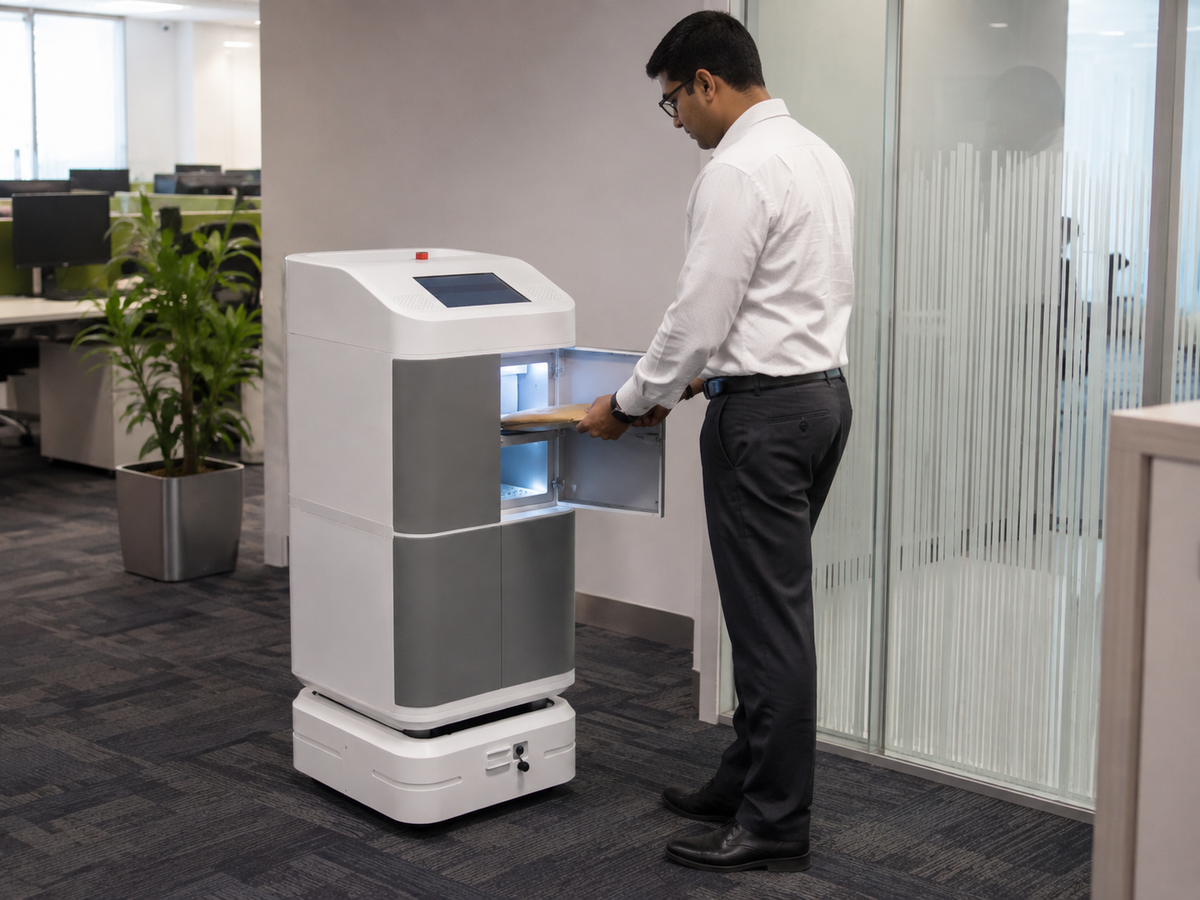
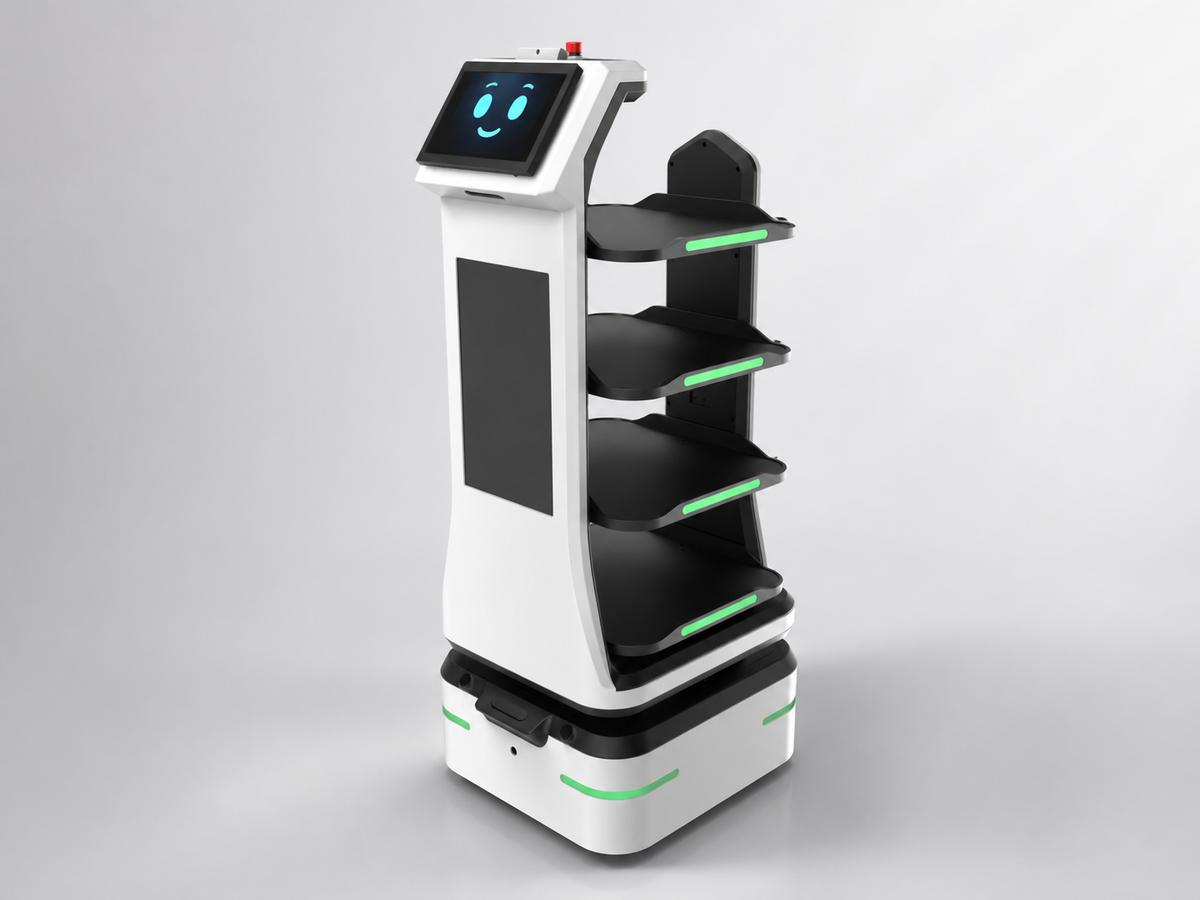
Autonomous delivery robots work best when the building is treated as part of the system. Navigation, charging, doors, lifts and operating rules matter as much as the robot itself.

How indoor navigation works
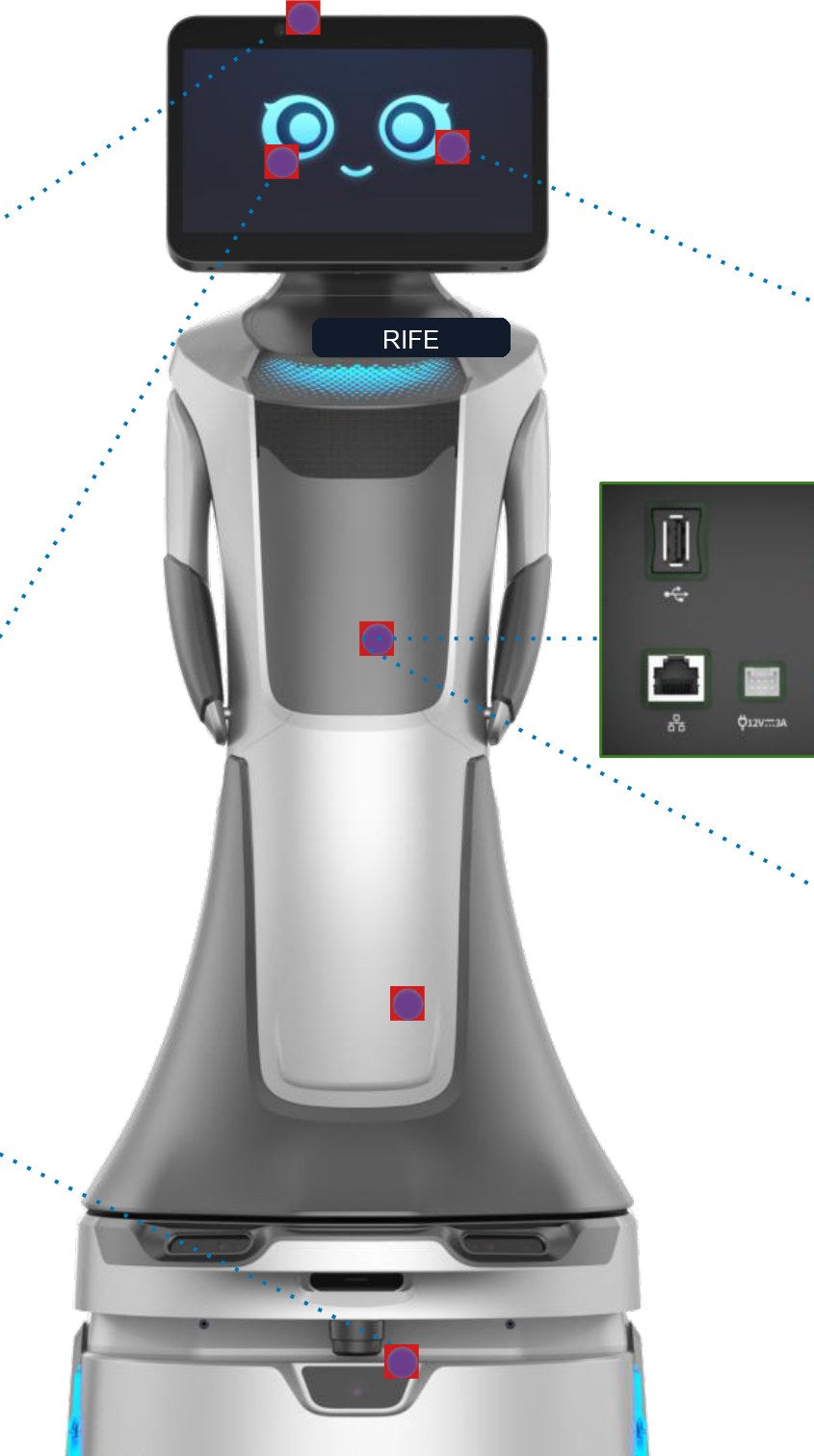
Modern indoor delivery robots typically build or use a map of the operating area and combine multiple sensors to localise themselves, detect obstacles and plan a route. Exact sensor packages differ by model, so procurement should validate the current specification rather than assume every robot uses the same navigation stack.
Site-readiness checklist
- Measure narrowest aisles and door clearances
- Identify ramps, thresholds, floor transitions and slopes
- Map high-traffic intersections and temporary obstacles
- Choose safe pickup, drop-off and waiting zones
- Place charging where it does not obstruct traffic
- Confirm network coverage for functions that require connectivity

Wi-Fi and connectivity
Some navigation can continue locally, while fleet dashboards, remote support, task dispatch or integrations may depend on network access. Conduct a coverage check along the actual route, including lifts, back corridors and service areas. Do not assume a lobby speed test represents the full route.
Lifts, doors and access control
Multi-floor delivery can require integration with elevators, automatic doors or access-control systems. These integrations should be treated as a project layer with clear interfaces and fallback behaviour. If integration is not available, constrain the pilot to a single floor first.
Charging and uptime
Robot uptime depends on route length, payload, traffic, battery condition and duty cycle. Define charging windows and minimum battery thresholds. For high-throughput operations, measure whether one robot can complete the trip volume or whether a fleet is required.
One floor, one route, one payload type, one charging location and one supervisor. Add complexity only after reliability is proven.
Need a site-readiness review?
RIFE can review route geometry, traffic, charging and integration requirements before deployment.
Request Technical Review