Service Robots for Restaurants, Hotels and Hospitals: Complete Guide

“Service robot” is a broad category. The correct machine depends on whether the job is food service, guest delivery, secure internal logistics or customer-facing assistance.

1. Restaurant service robots
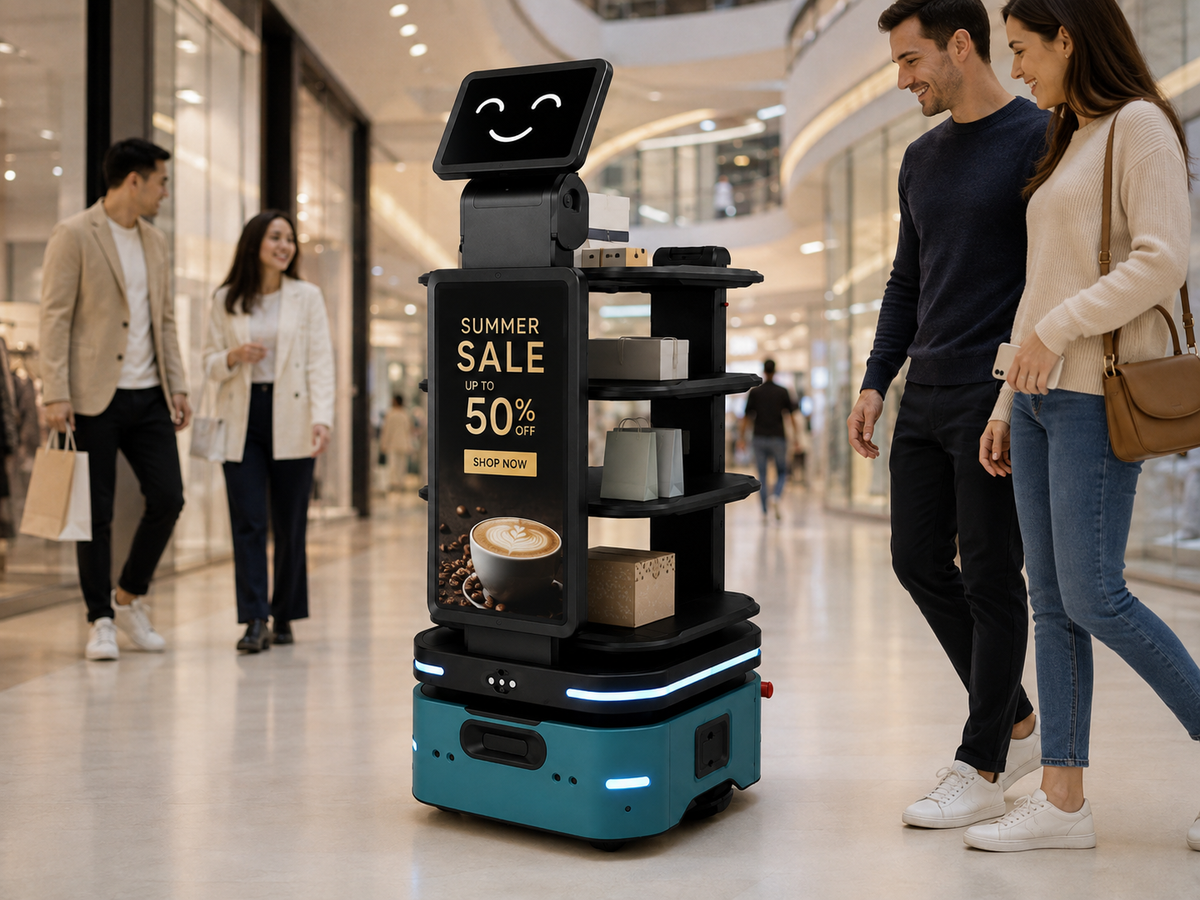
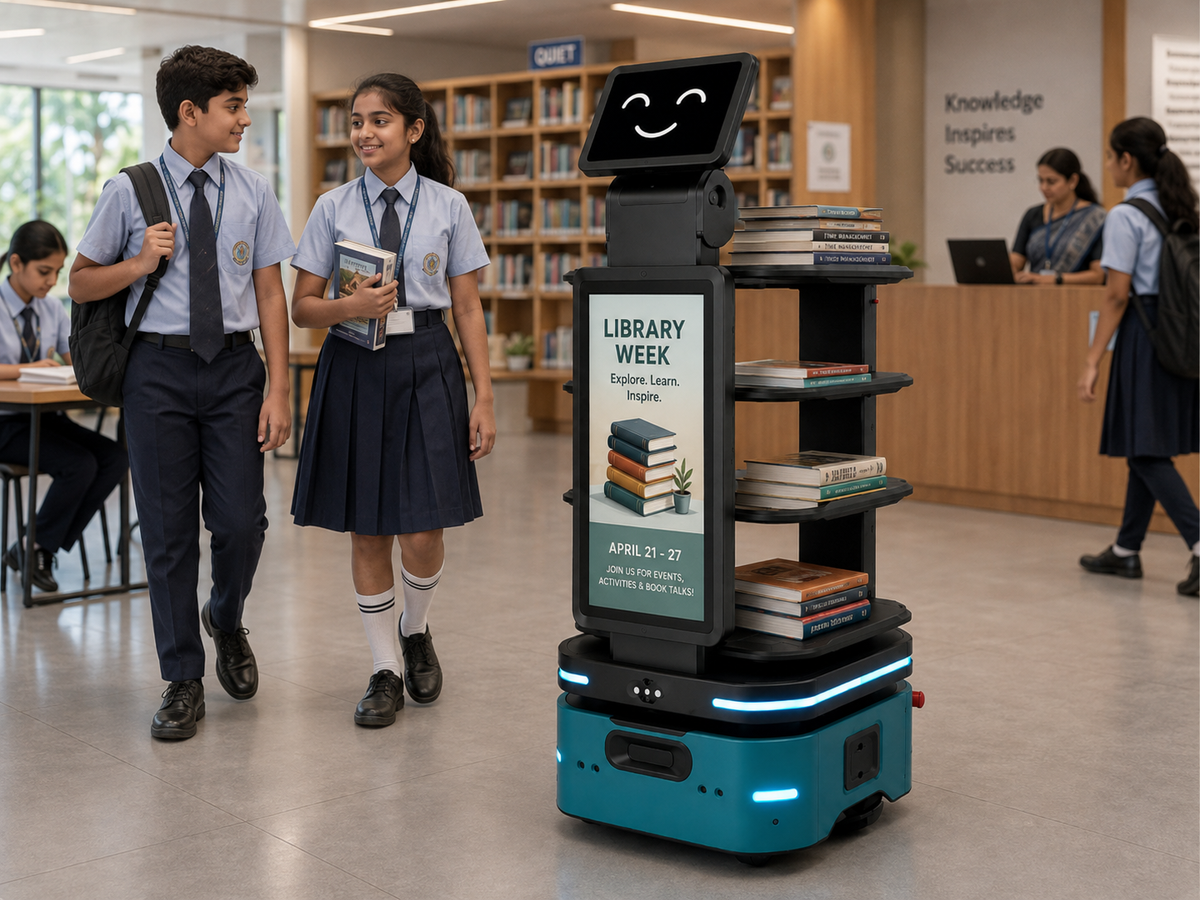
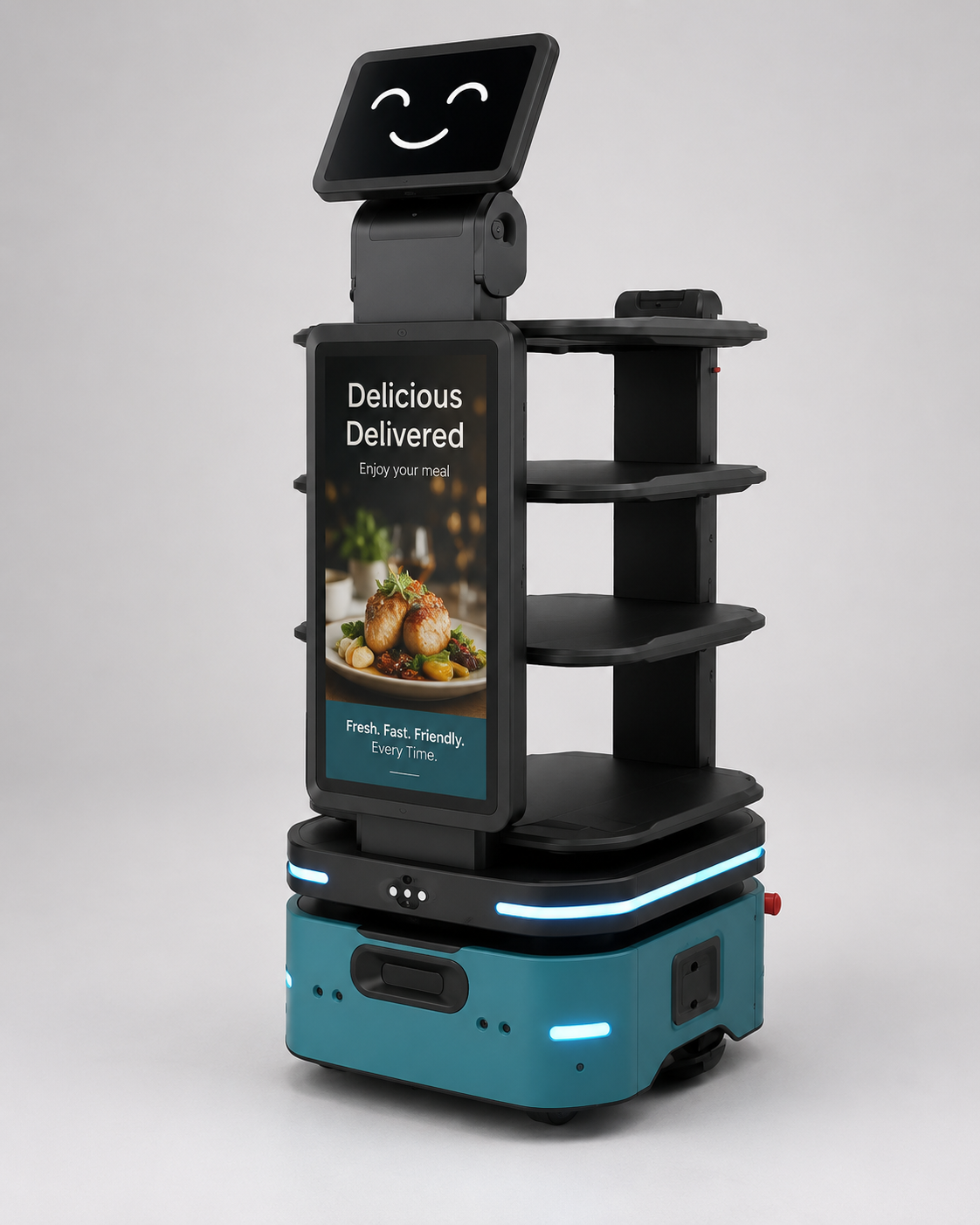
Restaurants usually need open-tray robots for food running, bussing and beverage movement. The goal is to reduce repetitive walking while keeping customer-facing service human-led.
2. Hotel service robots
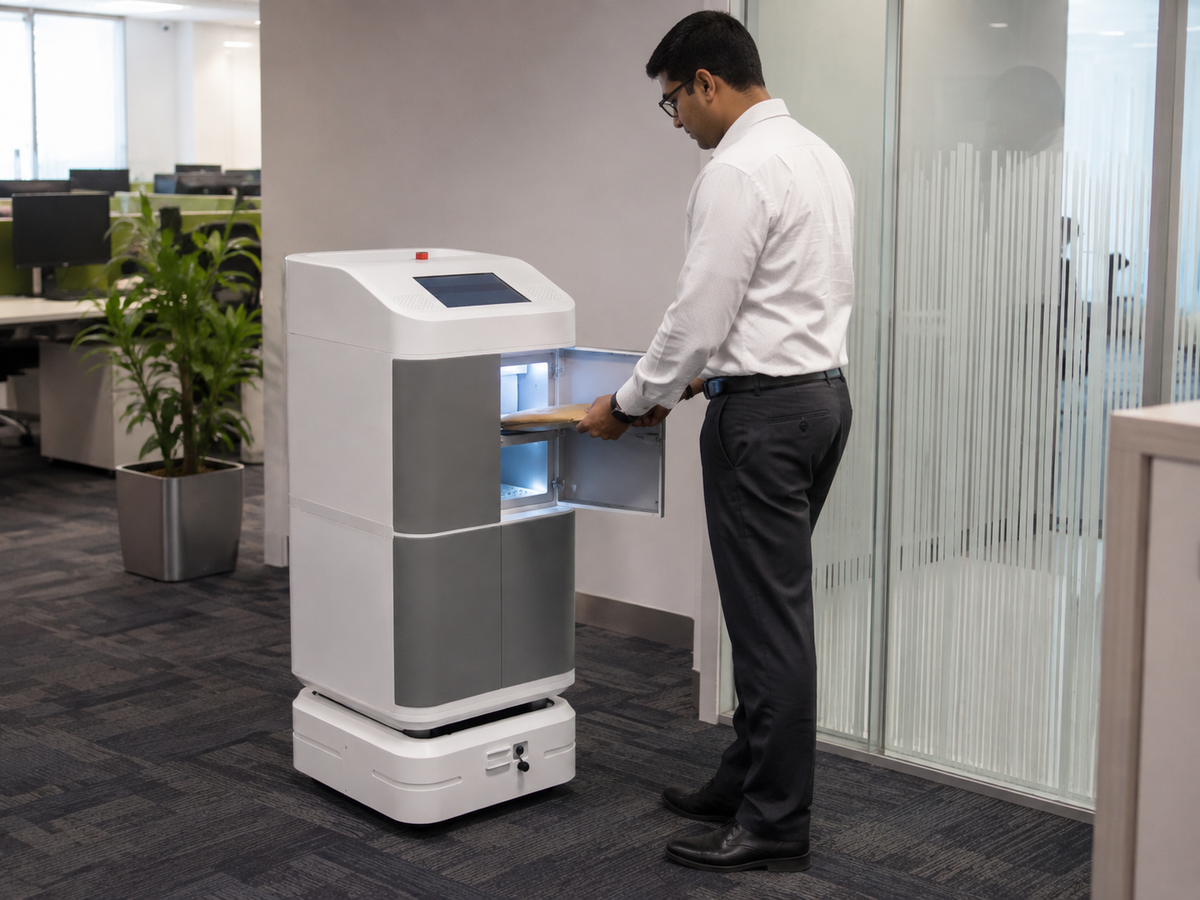
Hotels may use tray robots in restaurants and lounges, but room-service or amenity delivery often benefits from enclosed compartments. The deployment must account for lifts, corridor widths, guest-floor access rules and handover logic.
3. Hospital delivery robots
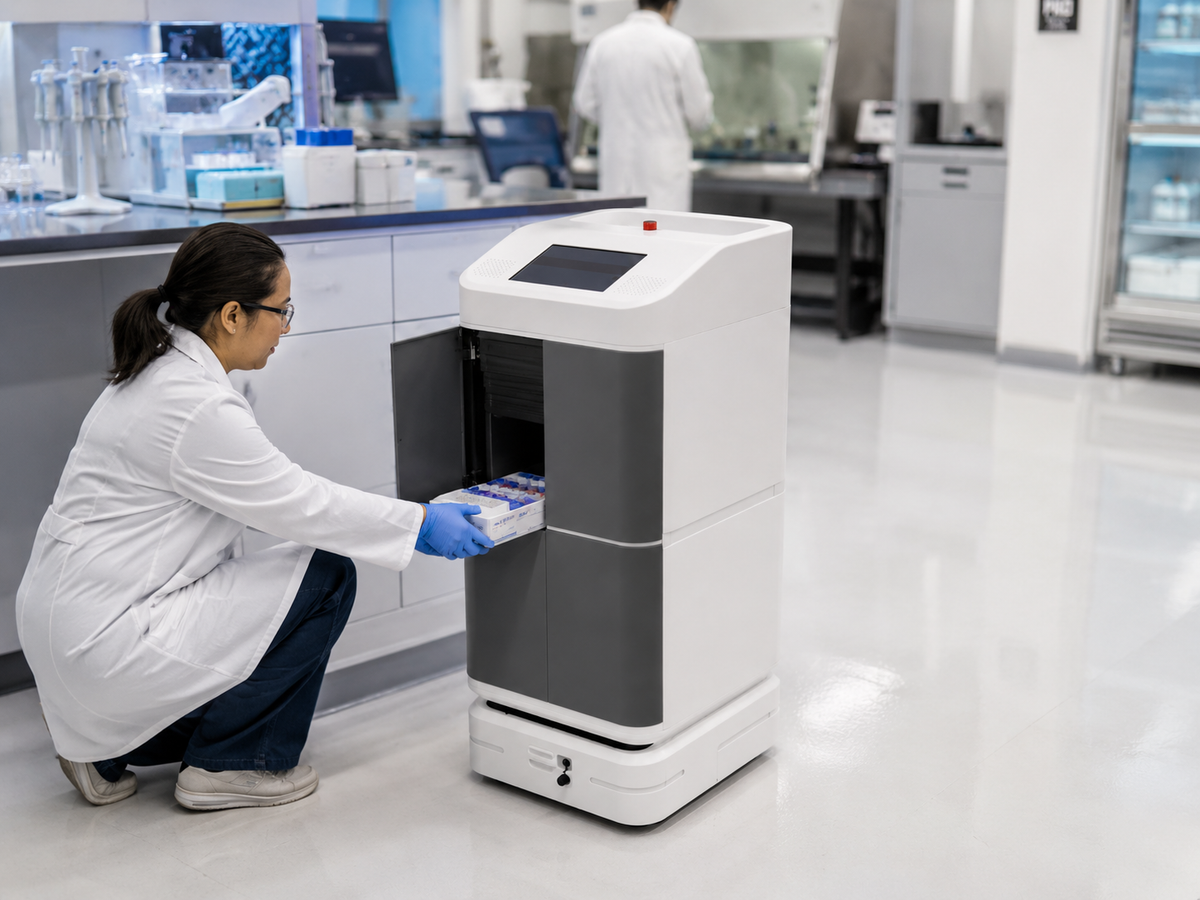
Healthcare workflows can involve medicines, supplies, samples, documents, food and linen. These applications require more attention to access control, cleaning protocols, payload separation, chain of custody and department policy than a typical hospitality deployment.

Open tray vs closed compartment
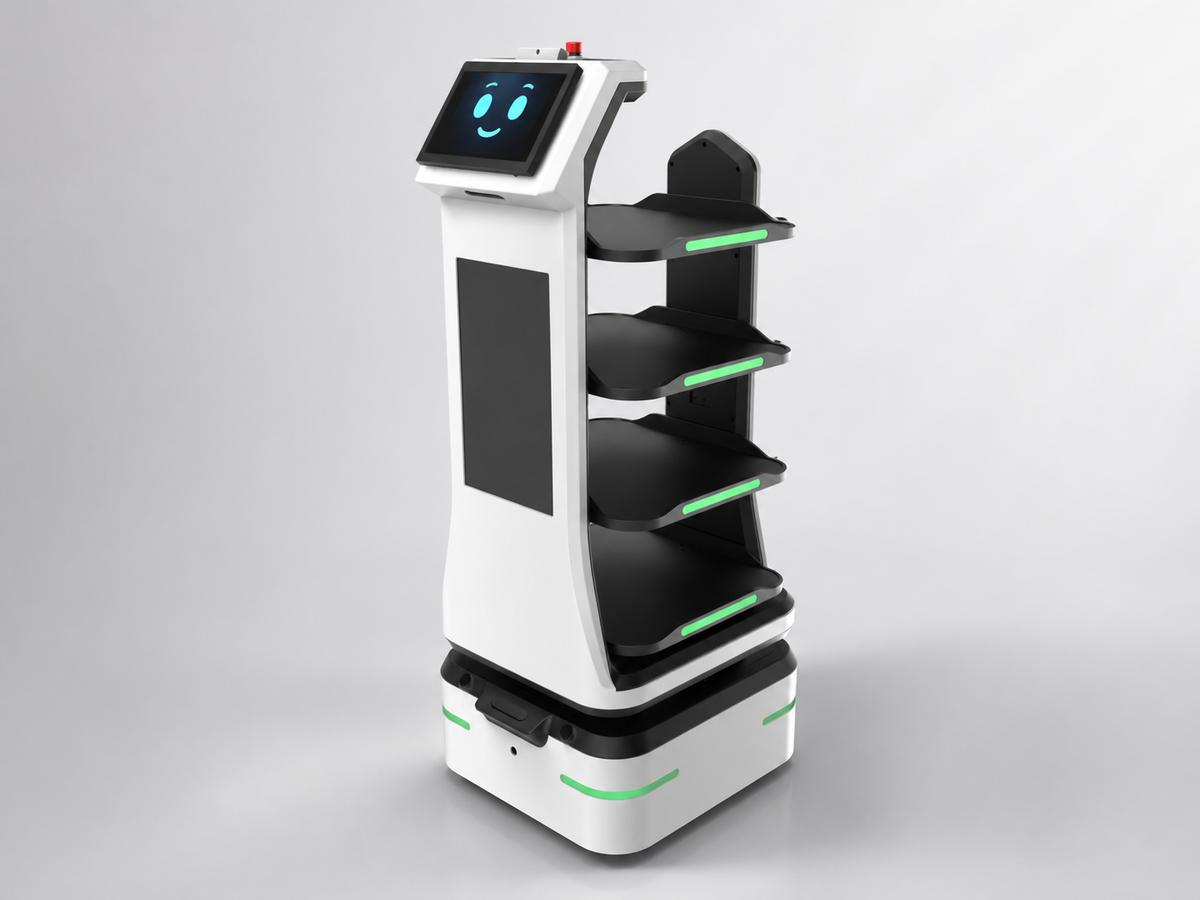
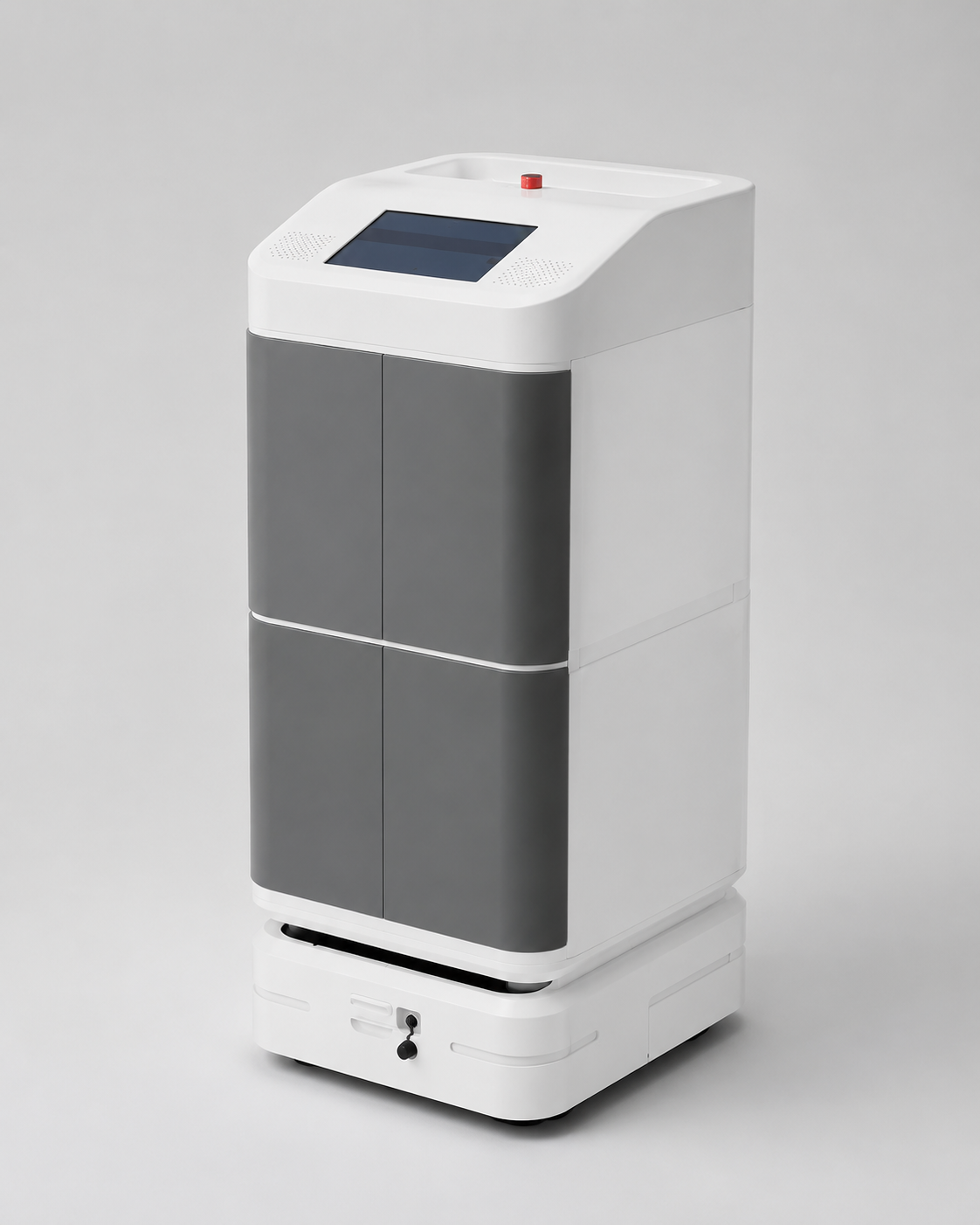
Open trays make loading and unloading fast. Closed compartments improve separation and controlled handover. Neither is universally better. The payload, recipient and operating environment determine the correct form factor.
Common deployment questions
- How many trips occur each hour?
- Are routes fixed or constantly changing?
- Does the robot need elevator integration?
- Is secure access required at destination?
- Who owns charging, cleaning and exception handling?
- What uptime and support level is expected?
Start with one measurable workflow
A narrow pilot is usually stronger than a broad “robot transformation” project. Choose one route, one payload class and one operational owner. Measure performance, then expand only after the workflow has proved dependable.
Need help selecting a service robot?
Tell RIFE your environment, route, payload and trip frequency. We can compare open-tray and closed-compartment options.
Request Recommendation