Waiter Robots vs Human Staff: What Restaurants Should Automate First

The strongest restaurant-robot strategy is not “replace waiters.” It is “remove repetitive walking from the tasks that need human judgement and hospitality.”

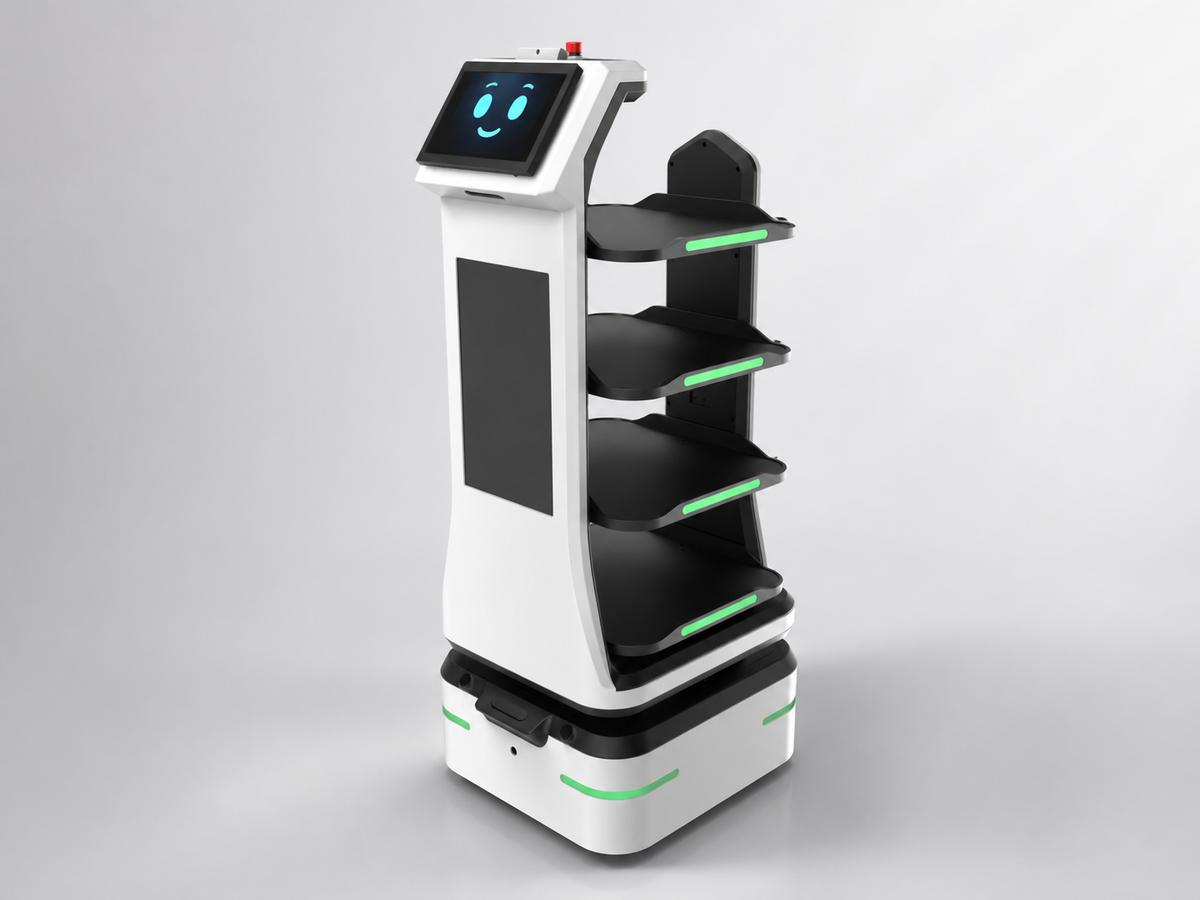
Human staff are strongest at greeting, reading the table, explaining dishes, handling complaints, upselling thoughtfully and solving unexpected problems. A robot is strongest at repeatable transport: move from A to B, return to base, carry trays, support bussing and repeat the route consistently.
Tasks to automate first
- Long kitchen-to-table walks
- Repeated movement of heavy trays
- Return trips with used dishes
- Buffet and banquet replenishment
- Internal tea, snack or beverage movement
Tasks that should stay human-led
- Welcoming guests and building rapport
- Menu explanation and allergy-sensitive discussion
- Complaint handling and service recovery
- Special requests and exceptions
- Final table presentation in premium service environments

Use the robot as a force multiplier
A robot can allow the same team to cover a larger floor with fewer low-value walking trips. That does not automatically mean fewer people. Many restaurants use automation to improve peak-hour resilience, reduce physical fatigue and let experienced staff spend more time with customers.
Avoid the wrong success metric
If management judges the robot only by headcount reduction, the pilot may fail even when service becomes faster. Better metrics include staff walking minutes, table coverage, delivery time, tray capacity, trips per shift and customer feedback.
Which task would your best waiter happily stop doing because it adds no guest value? That is often the first workflow to automate.
Choose the workflow before the robot
RIFE can help separate human-service tasks from repetitive transport tasks and design a practical pilot.
Discuss Your Restaurant