Restaurant Robots in India: Serving, Waiter & Food Delivery Robots Explained

Restaurant robots are most useful when they solve one repetitive workflow well: food running, table support, bussing, internal delivery or guest-facing service assistance.

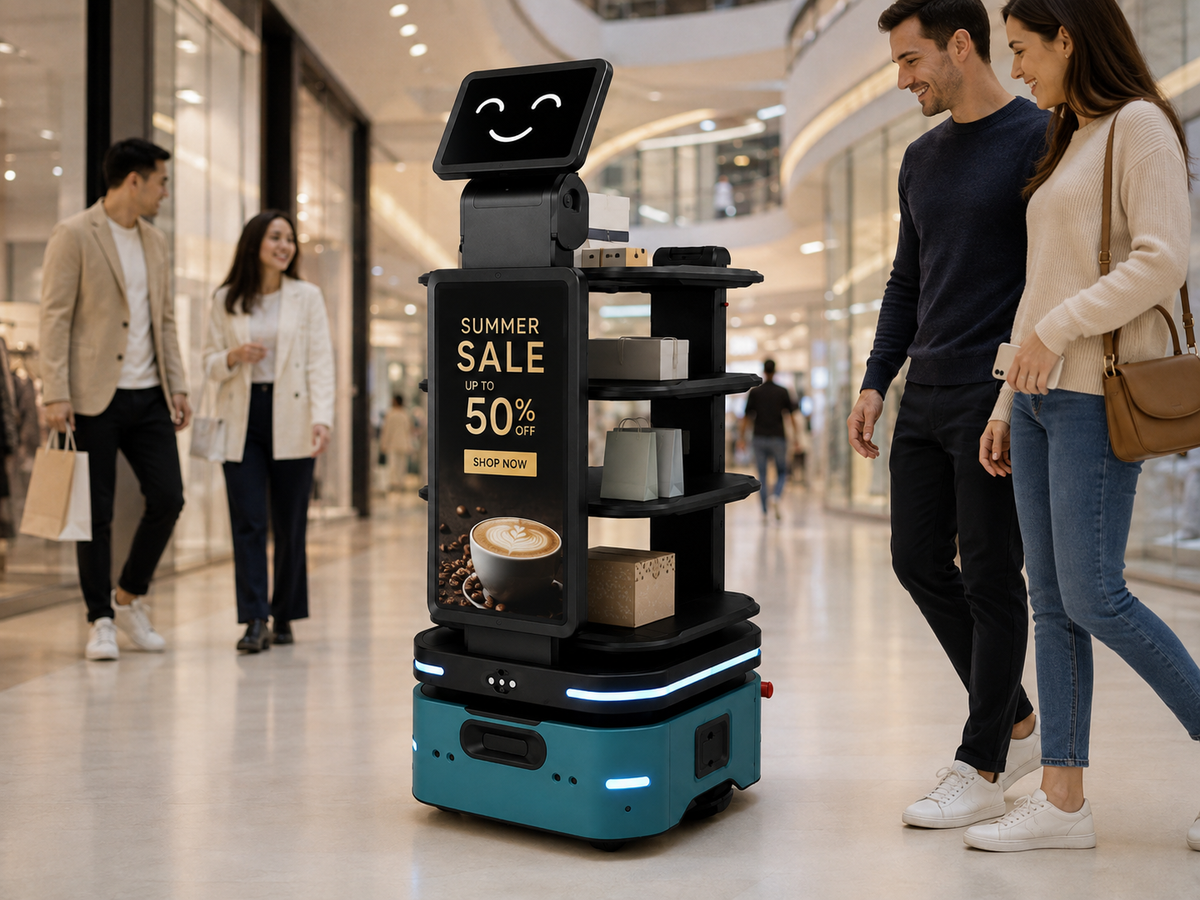
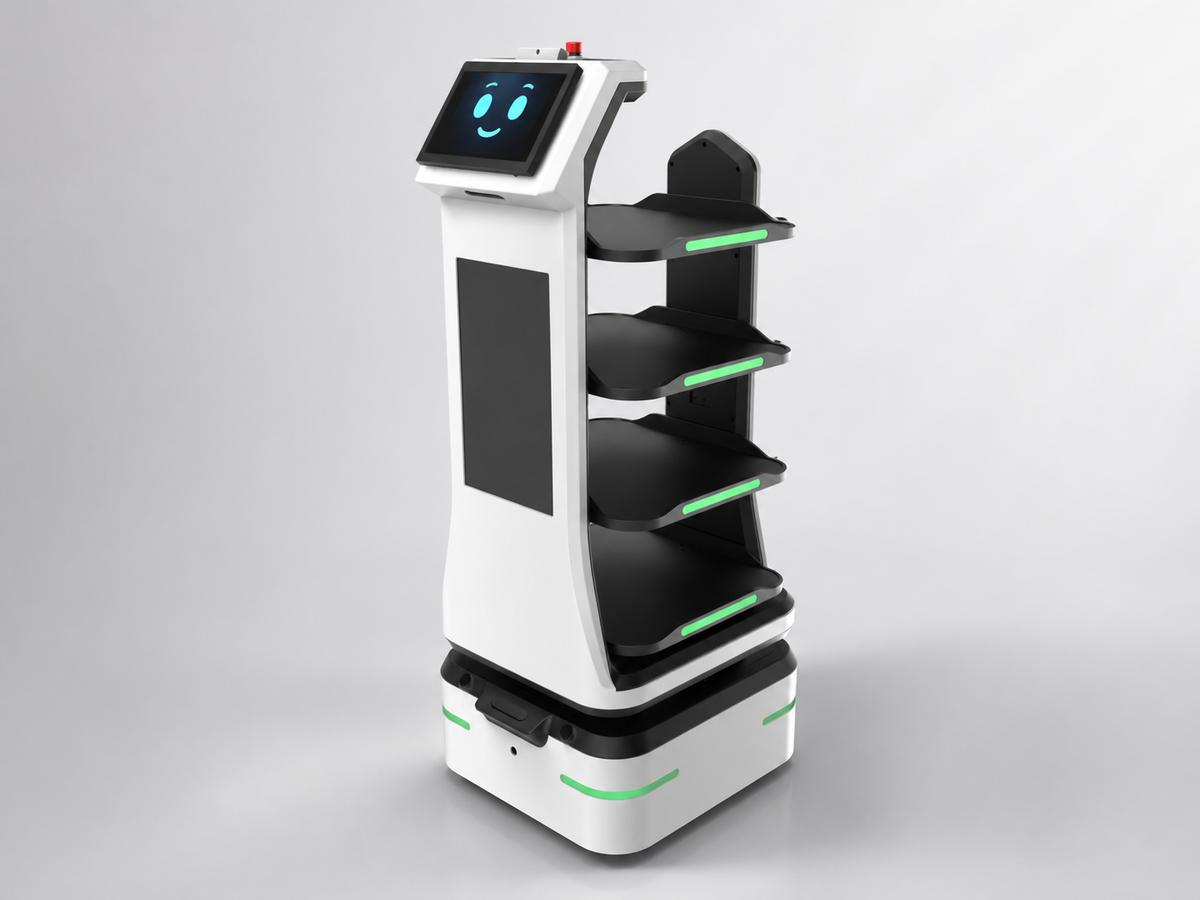
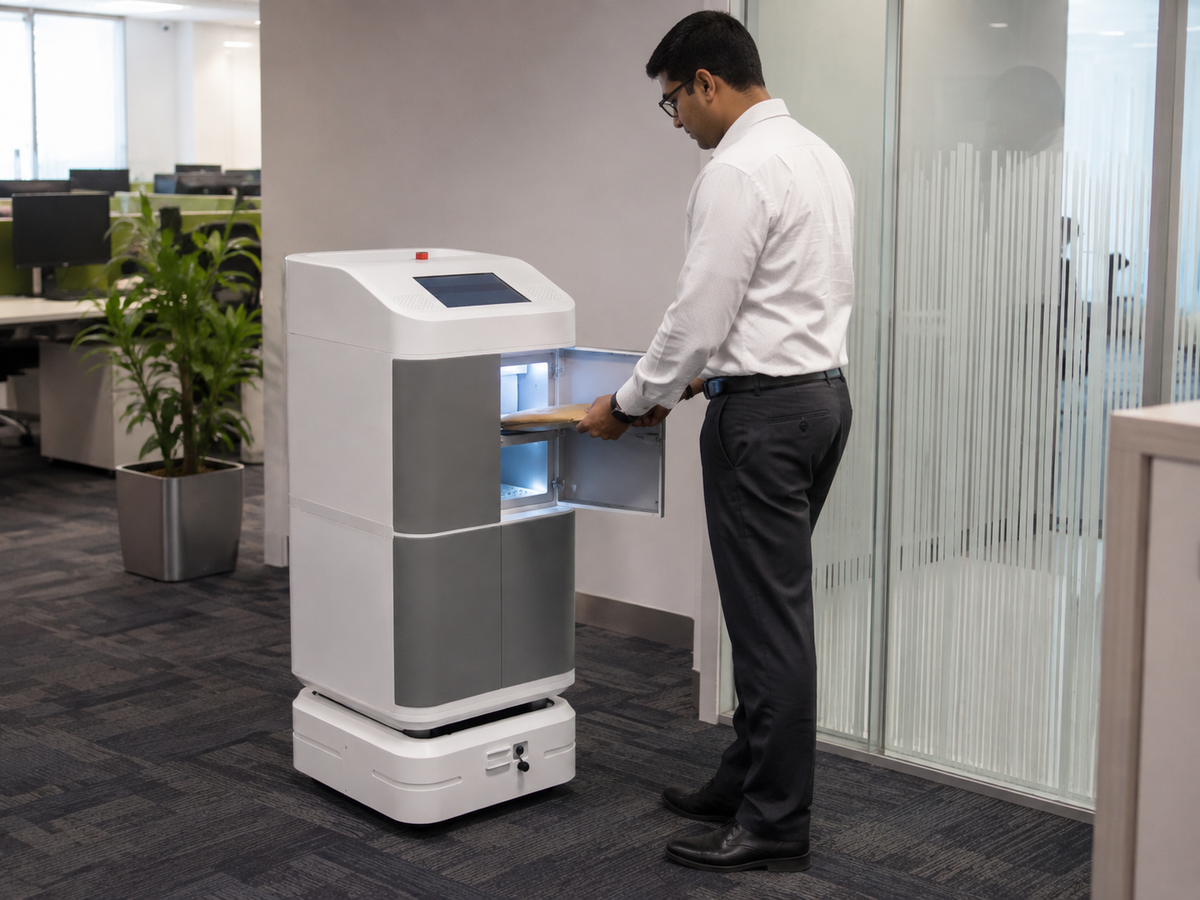
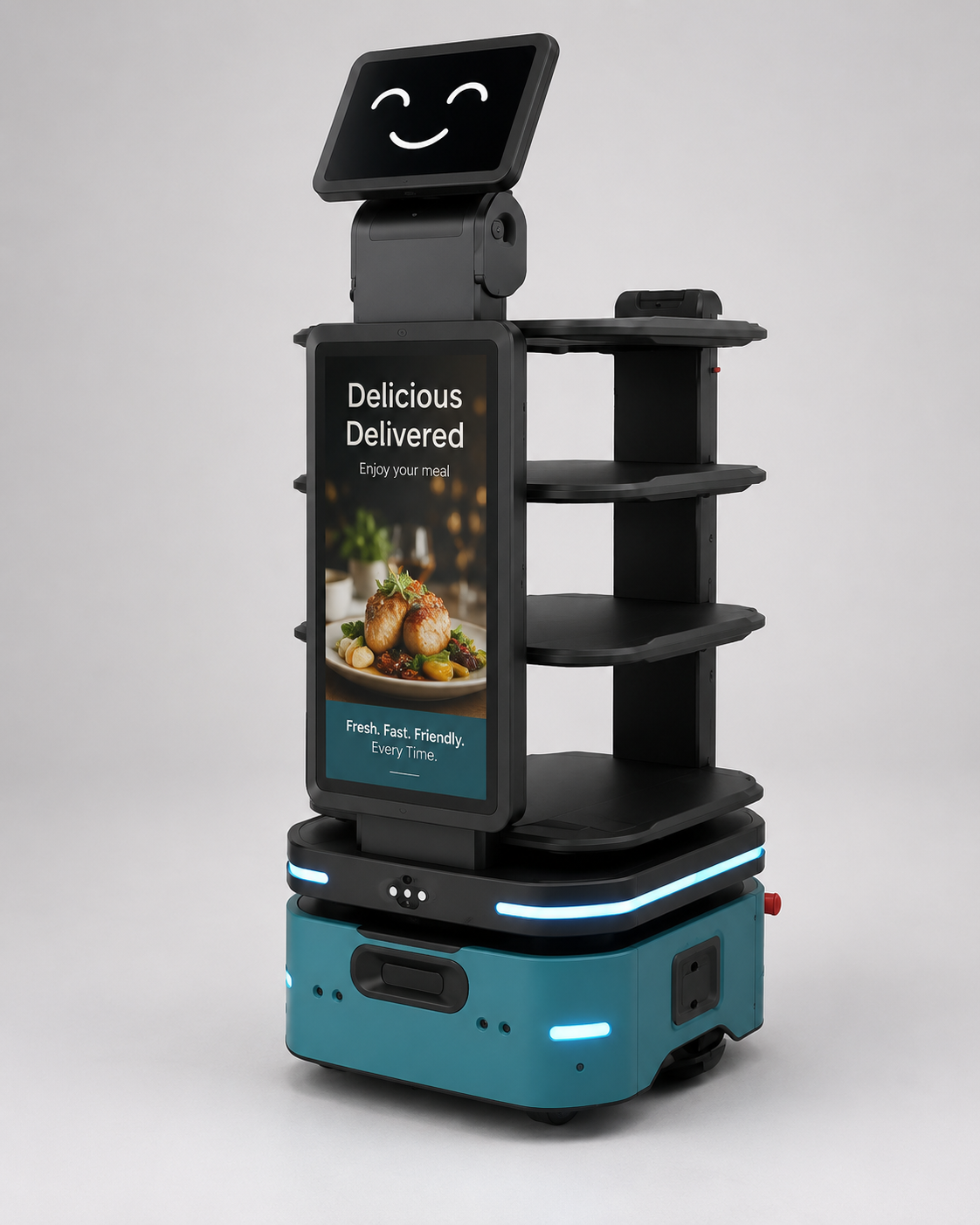
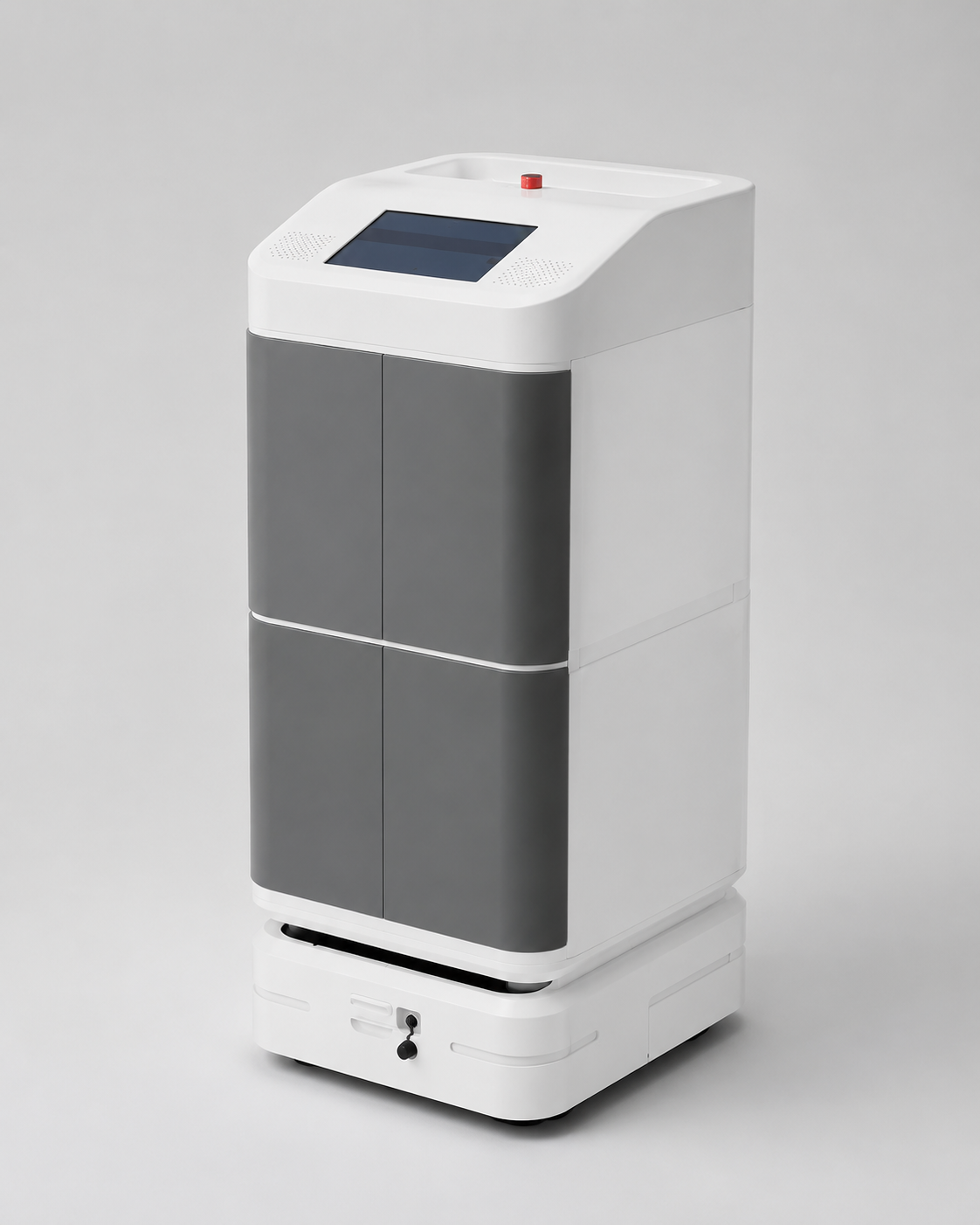
The phrase restaurant robot covers several very different machines. A serving robot or waiter robot moves dishes and beverages between fixed points. A bussing robot returns used plates and trays to the wash area. A food delivery robot may use open trays for front-of-house service or enclosed compartments for secure delivery. The right choice depends on the workflow, not the novelty factor.
For most restaurants, the strongest first use case is repetitive movement during peak hours. Staff still greet guests, explain menus, handle exceptions and create the hospitality experience. The robot reduces walking and repetitive transport so people spend more time on service.
Best first workflows
- Kitchen-to-table food running
- Buffet or banquet replenishment
- Used-dish collection and bussing support
- Tea, coffee and snack movement in cafés and offices
- Room-service staging in hotels and clubs
Serving robot vs waiter robot vs food delivery robot
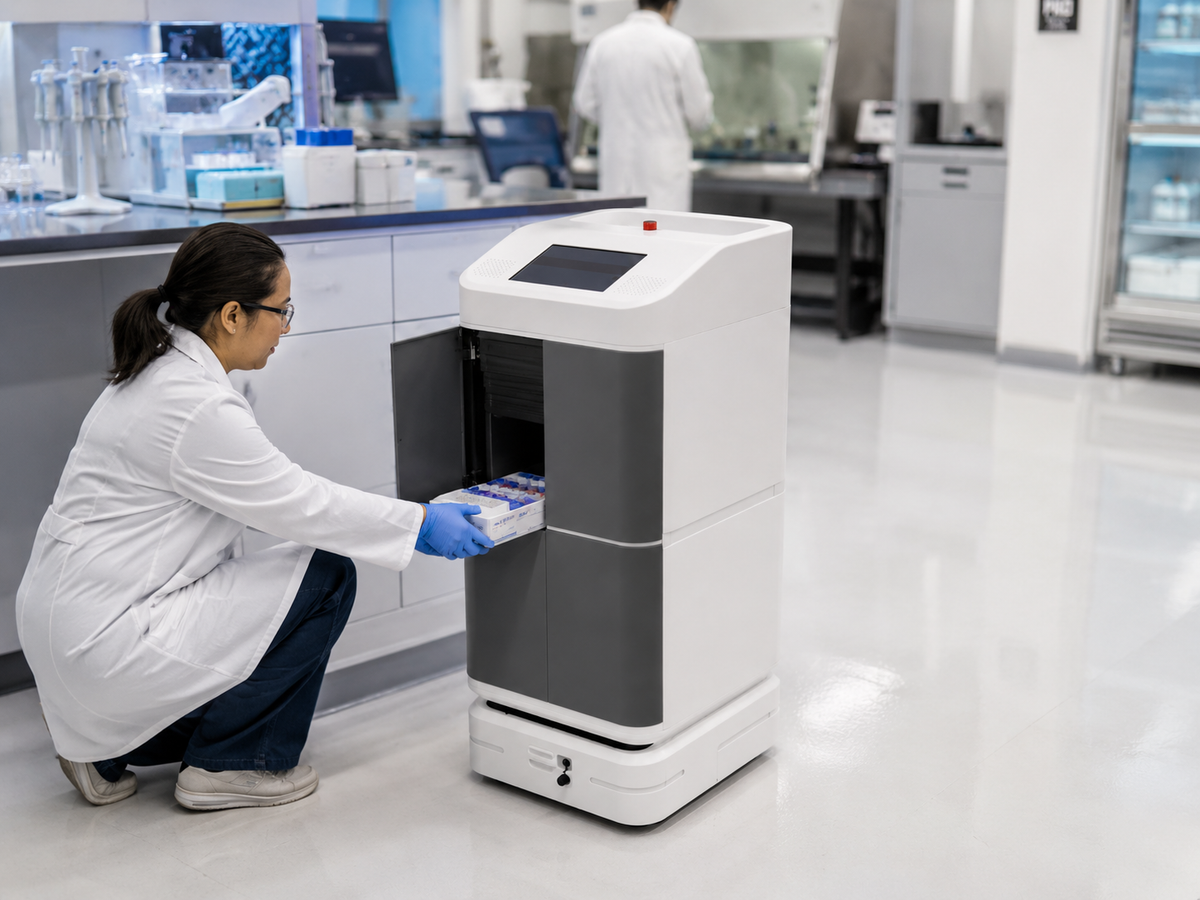
In search terms, these phrases overlap heavily. Operationally, the distinction is simple: a serving robot is usually a tray-based indoor robot; a waiter robot describes the same front-of-house role from the customer perspective; a food delivery robot is broader and can include closed-compartment robots for hotel rooms, hospitals or controlled internal logistics.

What makes a restaurant suitable?
Robots perform best where the route is predictable. Before a pilot, map aisle widths, table spacing, slopes, doorway clearances, floor transitions, peak-hour congestion and charging location. Check whether the robot can reach the service points without blocking customers or staff. Stable Wi-Fi may be needed for cloud features, remote monitoring or integrations, but basic navigation requirements vary by model and should be confirmed during site assessment.
What to measure in a pilot
A useful pilot should produce numbers. Track trips per hour, average food-running time, staff walking time, table turnaround time, peak-hour staffing pressure, intervention rate, charging downtime and maintenance events. A robot that looks impressive but does not improve a measurable workflow is not a successful deployment.
Planning a restaurant robot pilot?
Share your floor plan, number of tables, peak-hour covers, kitchen location and preferred workflow. RIFE can help shortlist the right serving or delivery robot configuration.
Request a Site Assessment