Robots + Smart Lockers: Automating Internal Delivery and Secure Handover
Why combining robots with smart lockers creates a stronger workflow for internal delivery, secure handover and unattended pickup.

A robot can move an item. A smart locker can secure an item. When combined thoughtfully, they create a much stronger workflow than either technology alone. This is especially true in environments where the destination user may not be immediately available and where accountability matters.
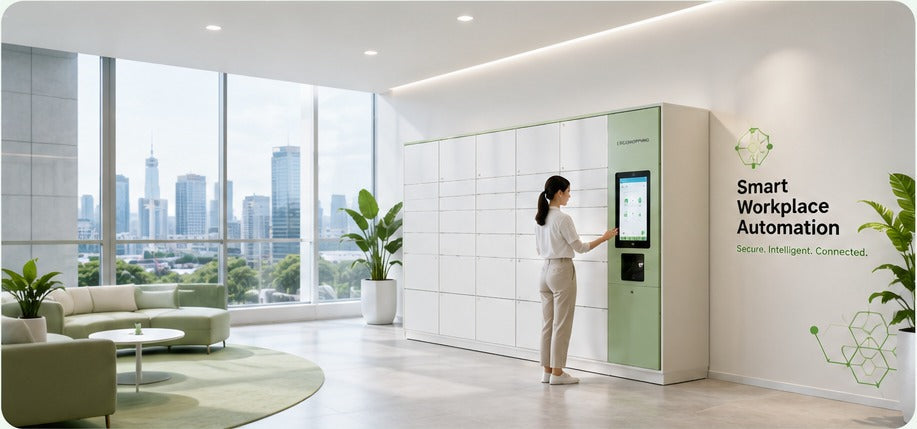
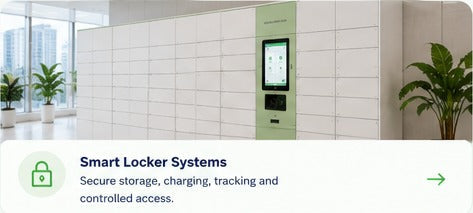
Instead of requiring a person-to-person handover, the robot can transport the item to a designated area and the smart locker becomes the controlled transfer point. The recipient receives a notification or code, collects the item later and the system records the event. This turns a fragile human-dependent process into a more scalable operating model.
Key takeaways
- Enable unattended but controlled handover
- Reduce waiting time for both sender and recipient
- Improve chain-of-custody visibility
- Create a scalable workflow for parcels, devices and internal materials
- Make delivery automation practical in real workplaces
Why the robot-locker combination works
Many delivery-robot pilots struggle because the robot arrives but the recipient is not there. Staff then improvise, the robot waits or the item must be redelivered. A smart locker solves this by becoming the destination handover point. The locker holds the item securely until the recipient is ready, so the robot can return to its next task quickly.
This approach is useful across offices, campuses, hospitals, shared residential properties and other managed environments. It also creates clearer accountability because dispatch, arrival, locker placement and pickup can all be recorded.
- Robot handles movement
- Locker handles secure storage and retrieval
- Notification handles recipient convenience
- Audit trail handles accountability

Example workflows across different environments
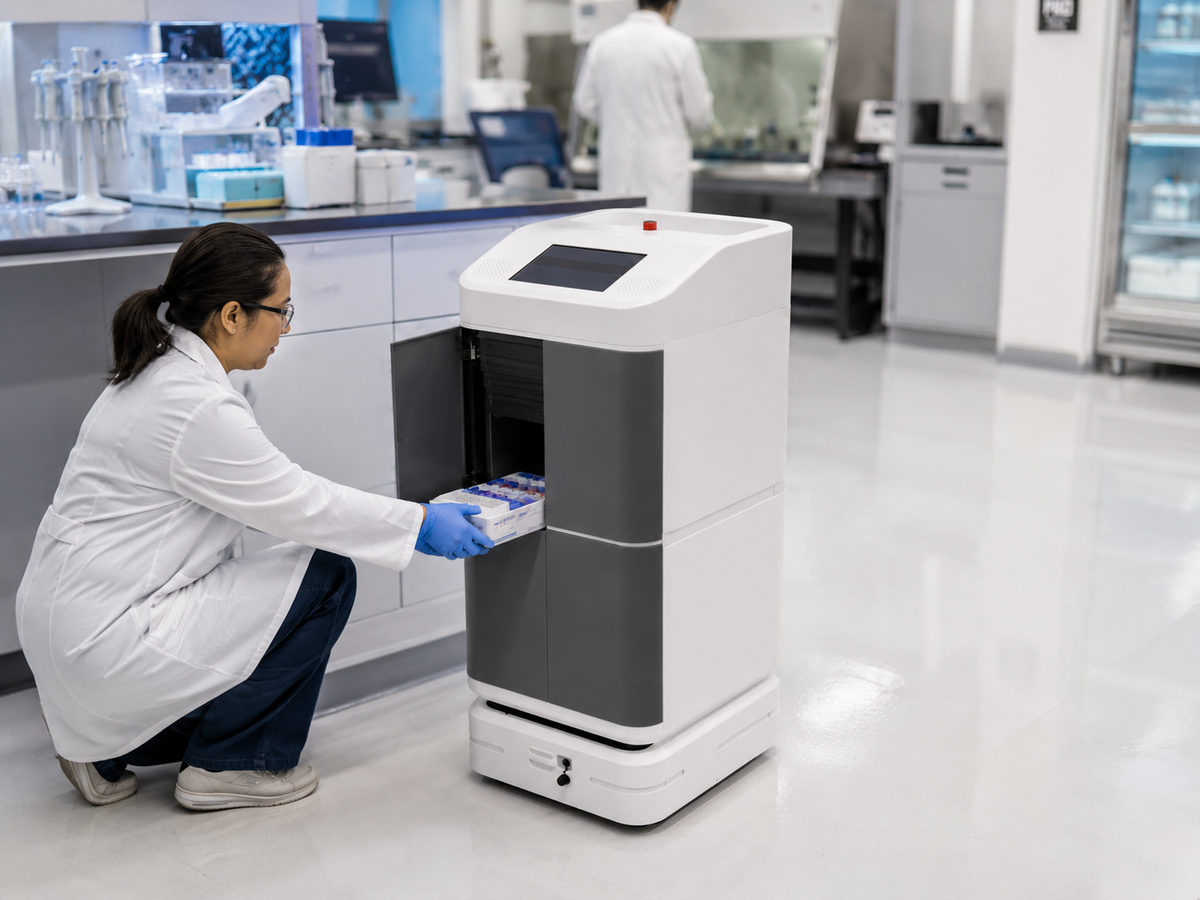
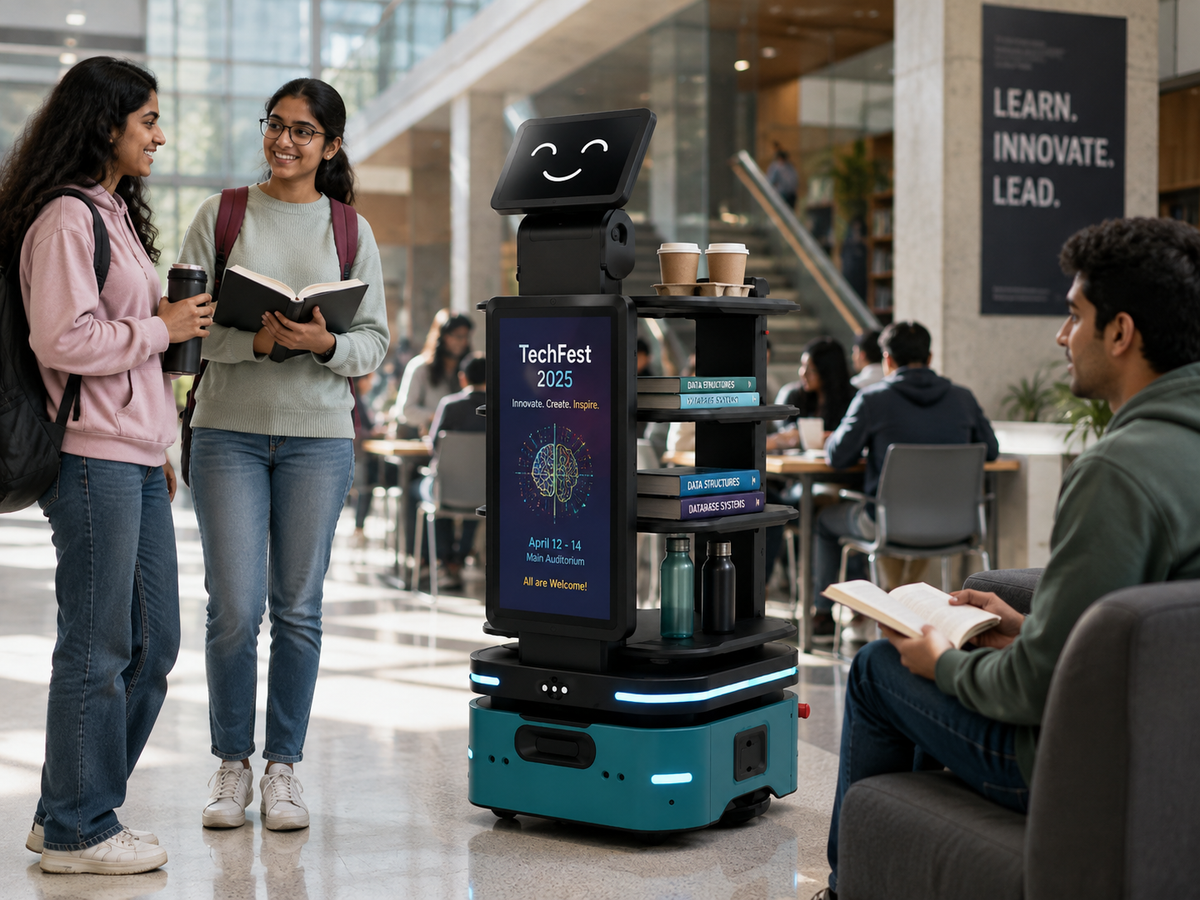
In a corporate office, a robot may move a replacement laptop or meeting-room accessory to a locker zone for employee pickup. In a university, internal documents or devices can be routed to a student-service locker or staff collection point. In a hospital or clinical support environment, selected internal materials can be moved to a controlled receiving point where authorized staff release the contents.
The precise workflow depends on the environment, but the principle is the same: remove the need for simultaneous presence and improve control over the handover event.
- IT spare-device handover in offices
- Student document or parcel pickup in campuses
- Controlled internal receiving points in healthcare
- Shared-property delivery handover and notification

Key planning questions before deployment
The main design questions are operational, not cosmetic. What items will move? How large are they? Does the recipient need immediate access or deferred pickup? What authentication method is appropriate? Who refills, clears or monitors the lockers? What happens when an exception occurs? Those questions define whether the workflow will be reliable at scale.
Once those basics are clear, the combined system can become a powerful building block for broader automation, especially in organizations already exploring AI kiosks, asset control or device-readiness workflows.
- Choose the right locker size and access method
- Define notifications and release rules
- Map the robot route to the locker location
- Clarify who manages exceptions and maintenance
- Measure turnaround time and user adoption

Exploring robot + locker workflows?
Rife can help you define the right handover logic, locker configuration and robot route so the workflow is practical, secure and scalable.
Talk to Rife