Autonomous Delivery Robots for University Campuses: Libraries, Labs, Mailrooms & Student Services
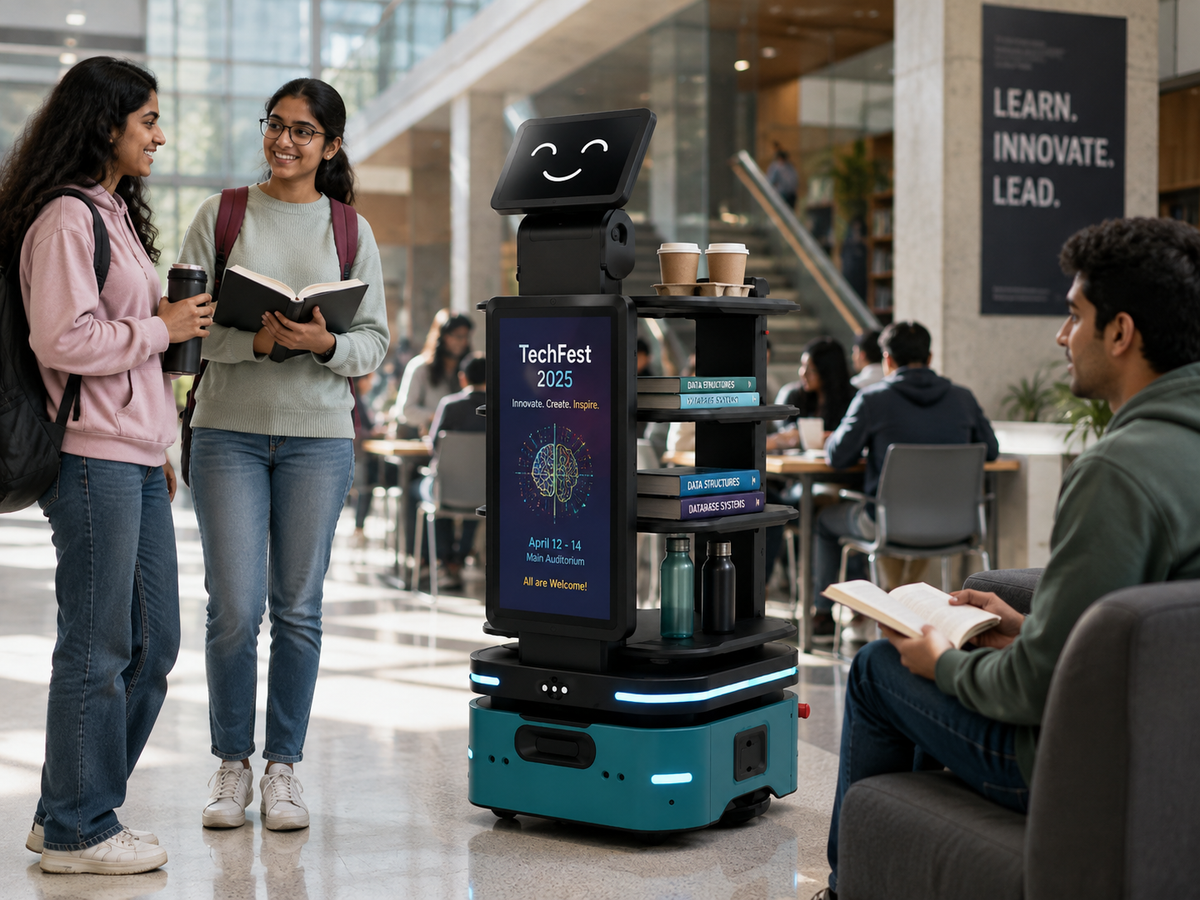
How delivery robots can support libraries, campus mailrooms, labs and internal services inside universities and higher-education institutions.

Large campuses involve constant movement: books, forms, devices, parcels, consumables, documents and support materials move between departments every day. Much of that work is repetitive and low value, yet it still consumes staff time and creates delays when runners are unavailable or departments are overloaded.
Autonomous delivery robots offer a practical way to reduce this manual transport burden in defined campus environments. They are especially valuable where routes are repetitive, the handover process can be standardized and the institution wants staff to focus on higher-value student or academic tasks.
Key takeaways
- Reduce repetitive internal transport work
- Support library, admin, hostel and service workflows
- Provide more predictable handovers between departments
- Free staff for higher-value support and interaction
- Create visible innovation for campus stakeholders
Strong campus use cases for delivery robots
Library and learning-resource workflows are a good fit because they often involve predictable movement of books, materials or loaner devices between counters, processing rooms and support desks. Mailroom and document workflows are another strong candidate, particularly in campuses with multiple academic blocks or hostels.
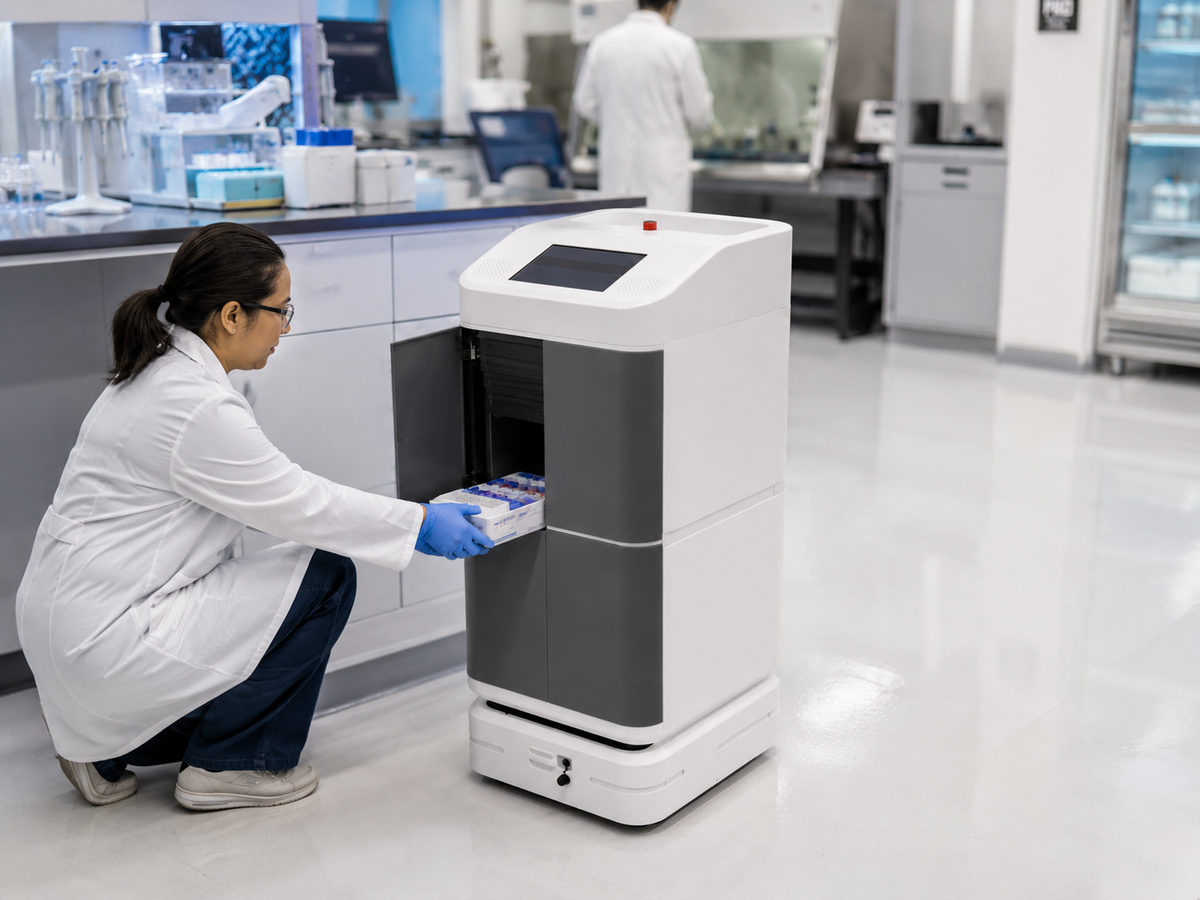
In science or technical facilities, robots may also support selected low-risk movement of materials between approved internal points, provided the route, safety rules and containment needs are suitable. Student-service departments can use robots for internal document or materials movement, particularly when buildings are crowded and staff time is stretched.
- Library materials and device-support logistics
- Campus mailroom and parcel handover support
- Student-service office material movement
- Selected internal lab-support transport
- Event-day and conference logistics assistance

Design the route and the handover, not just the robot
A successful campus robot deployment depends less on novelty and more on route discipline. The operating area, floor surface, widths, obstacles, peak traffic patterns and charging plan all matter. Equally important is the handover method: where the item is placed, how the recipient is notified and what happens when there is an exception.
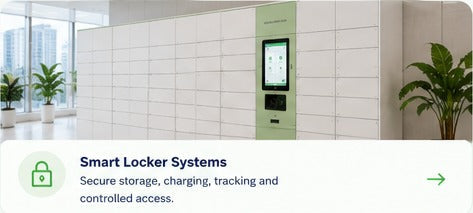
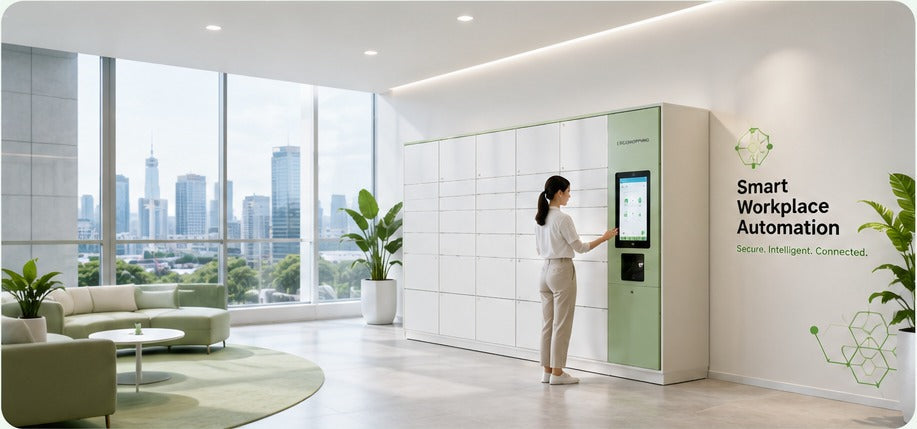
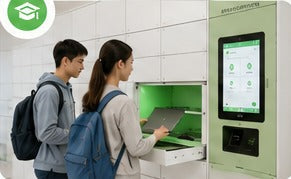
For many campuses, the robot works best when paired with another control point such as a staffed desk or a smart locker. Instead of trying to imitate every human action, the project should define a controlled workflow that keeps the robot useful and predictable.
- Map the route carefully before deployment
- Choose clear pickup and drop-off points
- Define how exceptions are escalated
- Pair the robot with lockers or desks where useful
- Plan charging, supervision and operating hours

What universities should validate before scale
Before a campus expands beyond the pilot phase, it should validate traffic behaviour, user acceptance, handover timing and staff ownership. It should also identify which tasks are genuinely repetitive enough to justify automation. This matters because the best results usually come from narrow but frequent use cases rather than overpromising a robot for every campus problem.
The pilot should produce evidence: how many trips were completed, how much staff time was saved, where delays happened and whether students and staff found the workflow intuitive. Those lessons make the second deployment better than the first.
- Count repetitive trips and average time saved
- Track where exceptions or bottlenecks occur
- Measure acceptance among staff and students
- Confirm who owns day-to-day supervision
- Use pilot data to choose the next building or workflow

Evaluating delivery robots for a university?
Share the route, item type, building layout, expected trips per day and whether you need desk-to-desk delivery, locker handover or a hybrid workflow. Rife can help define the right pilot.
Talk to Rife