The Intelligent Workplace: AI Kiosks, Smart Lockers, Device Management & Service Robots
How offices can combine AI kiosks, smart lockers, device charging systems and service robots to create a more efficient workplace.

The modern office is more distributed, more device-dependent and more service-sensitive than ever before. Visitors expect faster reception. Employees expect smoother handovers, fewer support delays and easier access to shared resources. Operations teams want more accountability without increasing manual admin work.
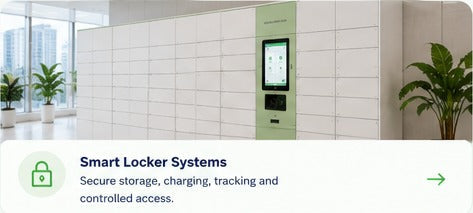
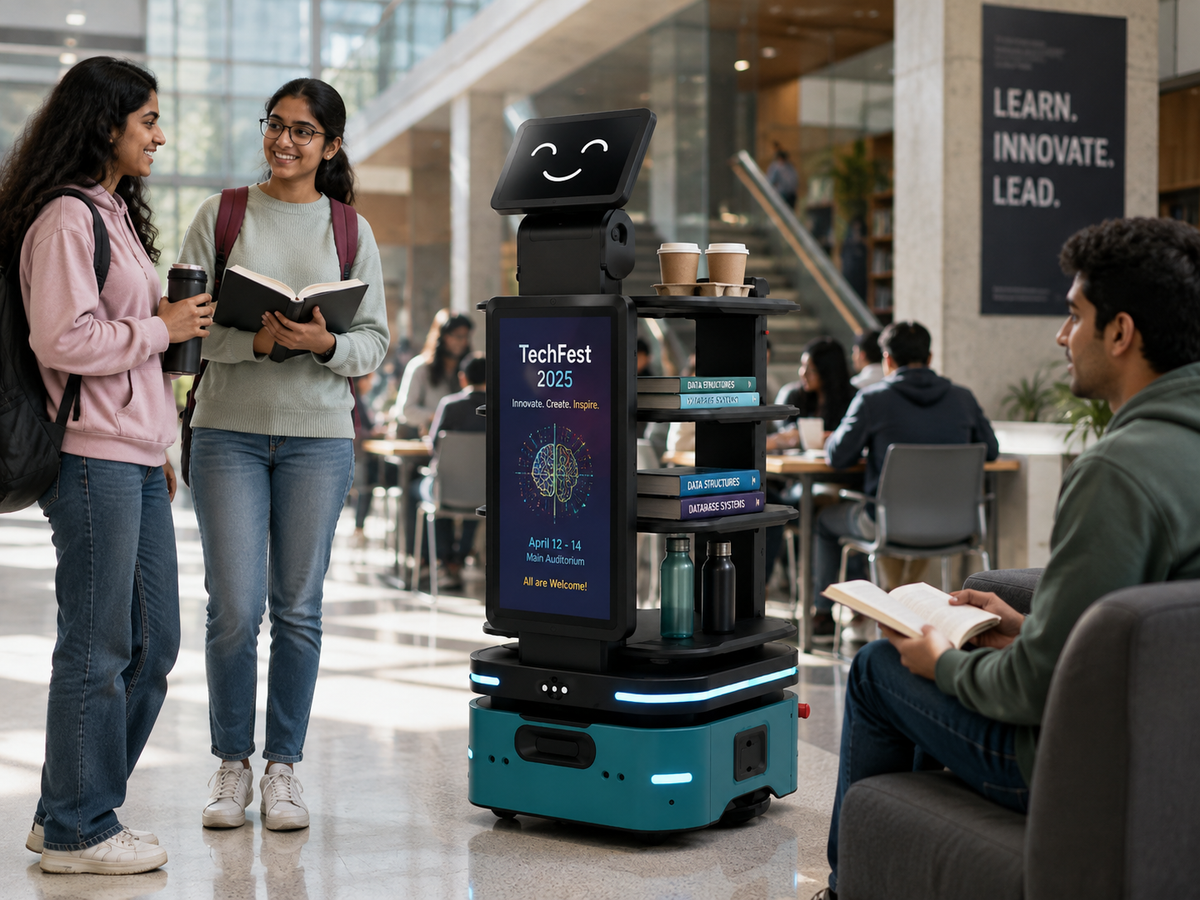
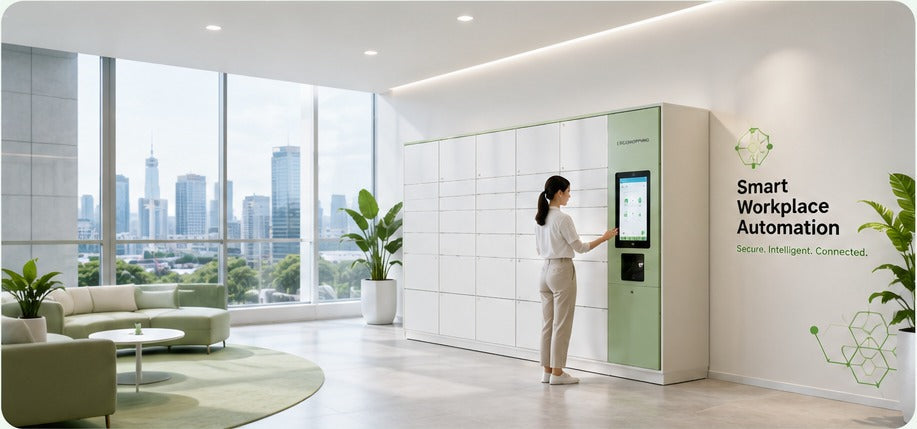
An intelligent workplace does not depend on a single platform alone. It combines front-of-house automation, controlled storage, device readiness and workflow-friendly mobility. AI kiosks can improve reception and wayfinding. Smart lockers can manage parcels, returns, shared devices and employee storage. Charging systems keep equipment ready. Service robots can support repetitive internal movement and modern workplace experiences.
Key takeaways
- Modernize reception and first impressions
- Automate asset, parcel and device handovers
- Keep shared devices charged and accountable
- Reduce repetitive internal service work
- Create a more scalable office-support model
What an intelligent workplace actually means
For many companies, workplace technology has been implemented in silos: visitor management in one tool, storage in another, IT handover in another and service support somewhere else. The result is fragmented experience for users and fragmented accountability for operations teams.
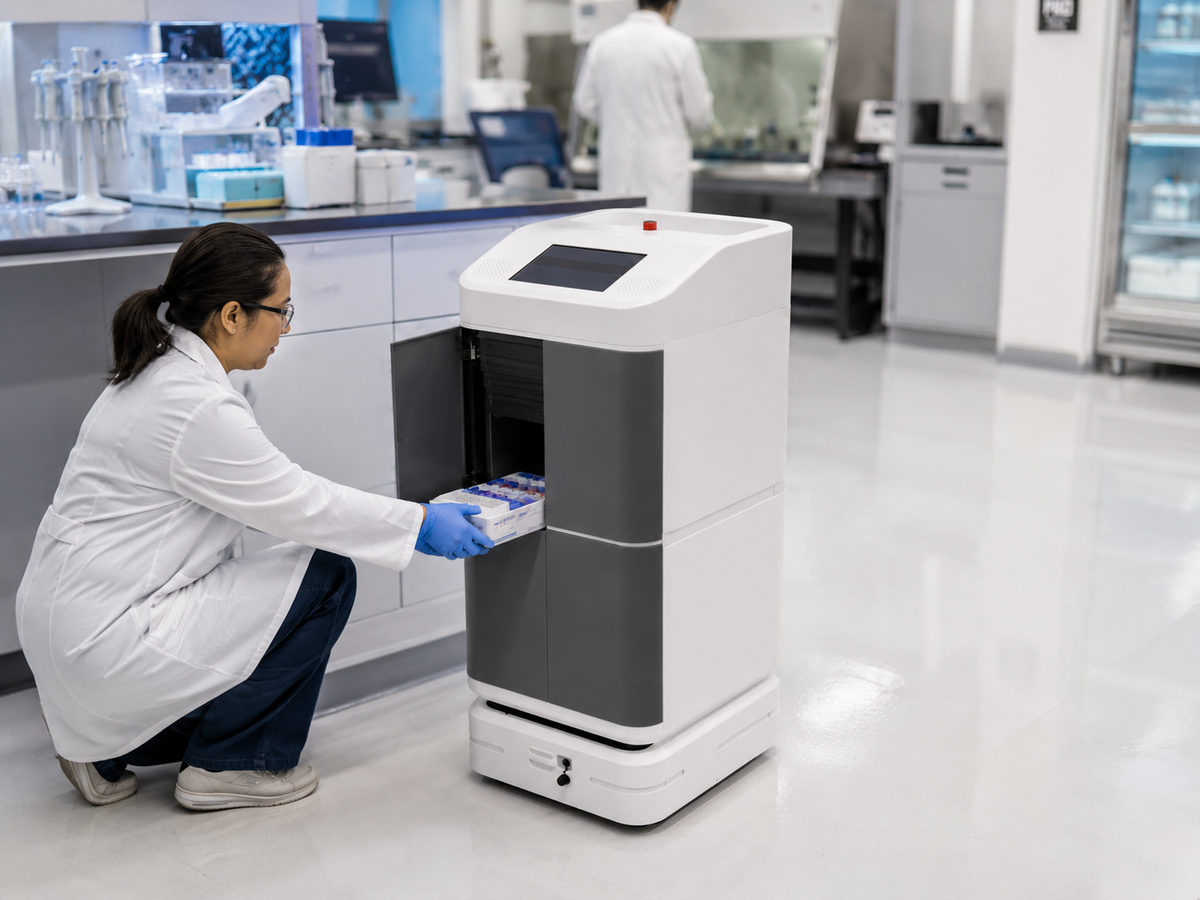
An intelligent workplace approach aligns these touchpoints around real workflows. A visitor might check in or ask directions through a kiosk. An employee may receive a parcel, collect a spare laptop or return an accessory through a smart locker. IT may use charging cabinets and lockers to keep loaner devices ready. A service robot may support repetitive delivery inside larger office environments.
- Front-of-house visitor help and digital reception
- Employee parcel, locker and hot-storage workflows
- IT device lending, collection and support exchanges
- Meeting-room or departmental equipment readiness
- Internal service delivery support in larger workplaces

High-impact starting points for offices
The easiest wins usually come from visible operational pain points. In some organizations, reception teams spend too much time repeating directions and host notifications. In others, IT teams waste time handing out chargers, laptops and accessories. In high-density offices, parcel management or staff storage becomes a daily frustration.
These are ideal starting points because they combine user convenience with measurable operational benefits. Rather than launch a large transformation slogan, it is often better to fix one friction-heavy workflow first and then connect the next layer.
- Reception automation for common visitor questions
- Smart lockers for parcel and employee handover
- Charging carts or cabinets for shared devices
- Service robots for repetitive office delivery tasks
- Integrated reporting and accountability for operations teams

From isolated products to a workplace operating layer
The real advantage appears when the technologies reinforce each other. A kiosk can direct a visitor to the correct zone while a smart locker handles a secure item exchange. Device management becomes stronger when charging hardware, lockers and issue-return rules are coordinated. Internal delivery becomes more predictable when the destination handover is structured rather than ad hoc.
This is why workplace automation should be planned around journeys: visitor, employee, IT support, facilities or parcel flow. When the journey is clear, the right mix of hardware, software and automation becomes easier to select.
- Design around journeys, not product categories
- Separate public workflows from employee-only workflows
- Plan support ownership across IT, admin and facilities
- Measure usage, time saved and user adoption
- Scale after the first workflow proves useful

Want to design a smarter office workflow?
Tell Rife whether your biggest issue is reception, device management, parcel handling, secure storage or internal office delivery. We can help you choose the right phased deployment.
Talk to Rife