Secure Autonomous Delivery Robots for Laboratories & Pharmacy: Samples, Medicines & Controlled Materials
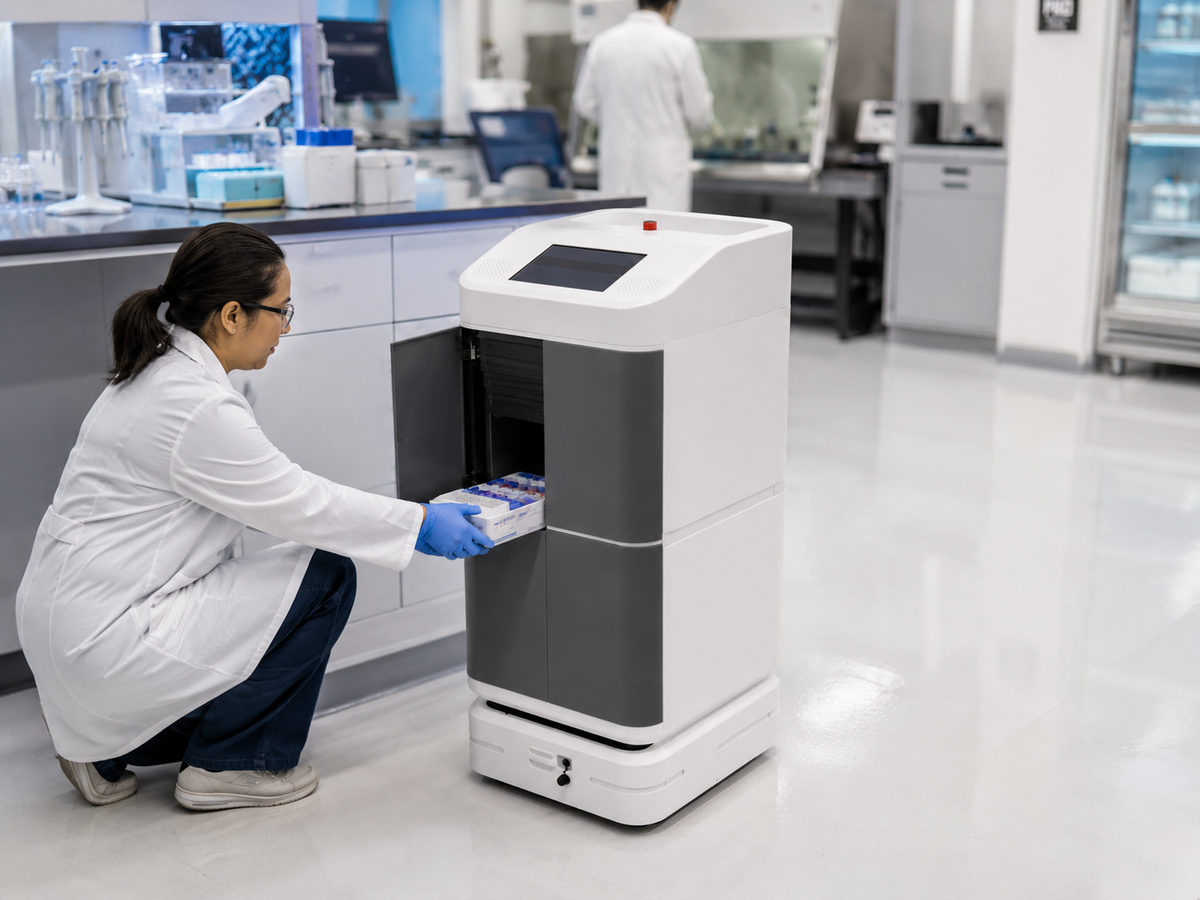
A practical look at how secure autonomous robots can support controlled internal transport in laboratories and pharmacy-related workflows.

Laboratories, pharmacies and clinical support departments move time-sensitive items every day: samples, medicines, documents, sterile packs, consumables and selected controlled materials. Manual transport can create delays, unclear accountability and avoidable interruptions for trained staff who should be focused on higher-value work.
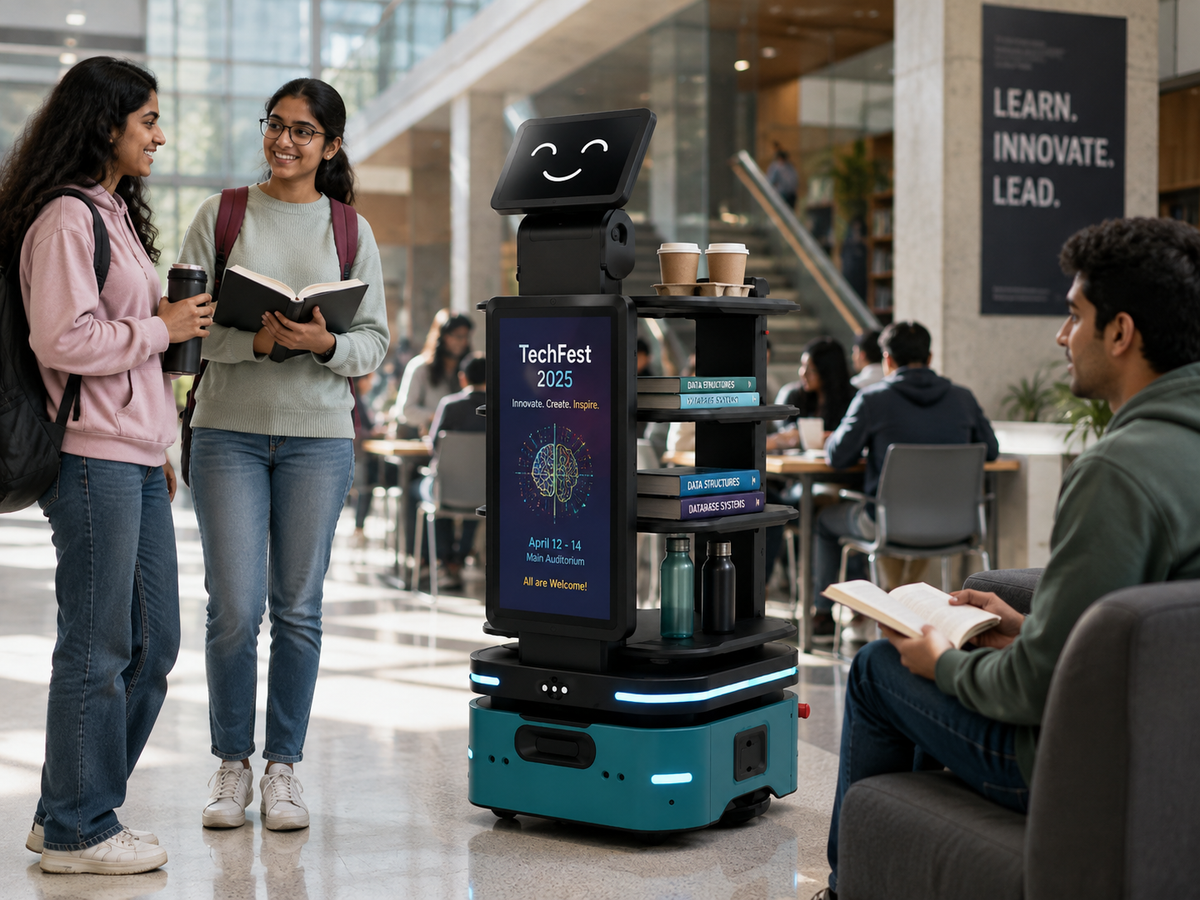
A secure autonomous delivery robot can improve these internal workflows when the movement path, containment method, access control and handover rules are well defined. The robot is not a generic replacement for all human transport. It is a structured tool for repetitive, auditable movement between approved internal points.
Key takeaways
- Improve consistency in internal movement of approved items
- Reduce interruptions for lab and pharmacy teams
- Bring more control and traceability to handovers
- Support controlled, repetitive internal routes
- Pair well with department-level storage and receiving workflows
Where secure robot delivery makes sense
The strongest fit is internal movement between fixed points: pharmacy to nursing support area, lab reception to testing area, stores to department, or one approved clinical support zone to another. In these cases, the goal is not theatrical automation but more disciplined transport and clearer custody of the item during movement.
Different items require different handling assumptions. Some projects focus on general supplies or low-risk sealed materials; others may need secure compartments, access control or confirmation at handover. The important point is that the robot workflow must reflect the department policy and item category.
- Internal medicine or consumable transport
- Sealed sample movement between approved internal points
- Supply runs from store or pharmacy to care areas
- Document or request transport in large facilities
- Controlled handover using defined staff touchpoints

Security, containment and auditability matter more than novelty
In laboratory and pharmacy-related environments, workflow integrity matters. The project must define who can load the robot, who can open it, what identification or confirmation is required and what happens if the destination is unavailable. Depending on the use case, secure compartments, codes, badges or supervised release may be appropriate.
The institution should also validate route hygiene, timing requirements, lift or corridor behaviour and how alerts are handled. The robot becomes useful when it is part of an operationally trusted system, not merely an interesting machine moving through the corridor.
- Define item classes and allowed workflows
- Use controlled access for sensitive payloads
- Plan exception handling for failed deliveries
- Clarify what must be logged at dispatch and receipt
- Align the project with internal policy and compliance needs

Start with a narrow pilot and measure operational value
The right pilot is usually small and disciplined: one route, one department pair and one clearly defined item category. This makes it easier to evaluate handover timing, staff trust, routing reliability and operational savings. If the pilot works, the facility can expand to more departments or more item classes with better confidence.
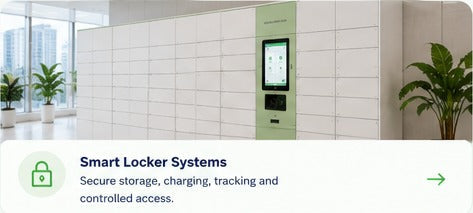
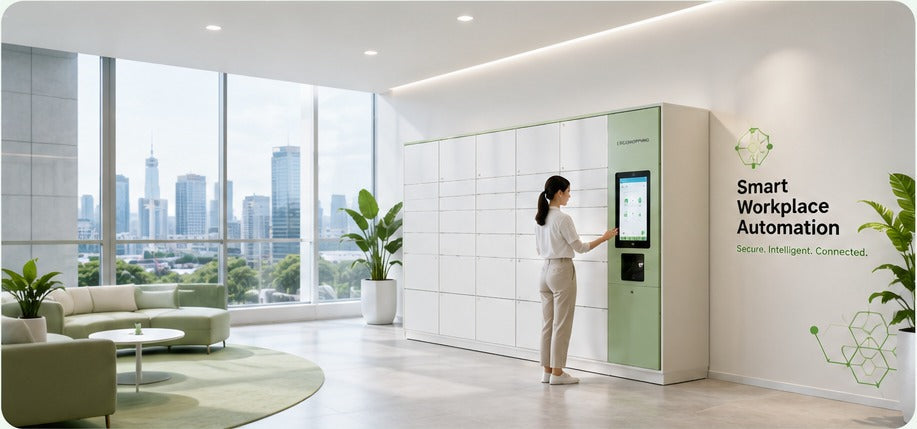
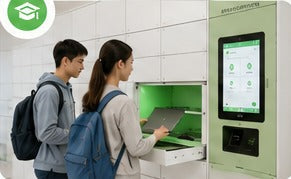
Hospitals and advanced facilities often benefit when robot delivery is combined with related technologies such as smart lockers, pharmacy receiving points, RFID-controlled storage or digital task assignment. The more consistent the workflow, the more value the robot creates.
- Select one high-frequency internal route first
- Measure trip completion and time savings
- Document staff acceptance and exception cases
- Evaluate whether secure compartments are needed
- Add related storage or tracking tools where helpful

Assessing a controlled robot-delivery workflow?
Rife can help you review the route, item category, handover method, containment needs and integration points before you decide whether a pilot is practical for your lab or pharmacy workflow.
Talk to Rife