Food Delivery Robots for Restaurants: How They Work and Where They Fit

A food delivery robot is essentially a repeatable indoor transport system. Its value comes from route consistency, not from pretending to be a human waiter.

Indoor restaurant robots typically use onboard sensors and mapped routes to move between defined points such as kitchen pickup, service stations and dining zones. Staff load the trays, select a destination or task, and the robot handles the repetitive movement. Depending on the model, arrival prompts can be visual, audible or app-based.
Where the robot fits best
The highest-value route is usually one that happens dozens or hundreds of times per day. Large dining rooms, hotel restaurants, banquet venues, food courts and cafeterias can create significant walking distance between kitchen and table. A robot can absorb part of that movement while staff retain guest interaction and final placement.
- Kitchen to dining zone
- Bar or beverage station to tables
- Buffet replenishment support
- Bussing to wash-up area
- Tea and snack service in offices or lounges

Open tray or closed compartment?
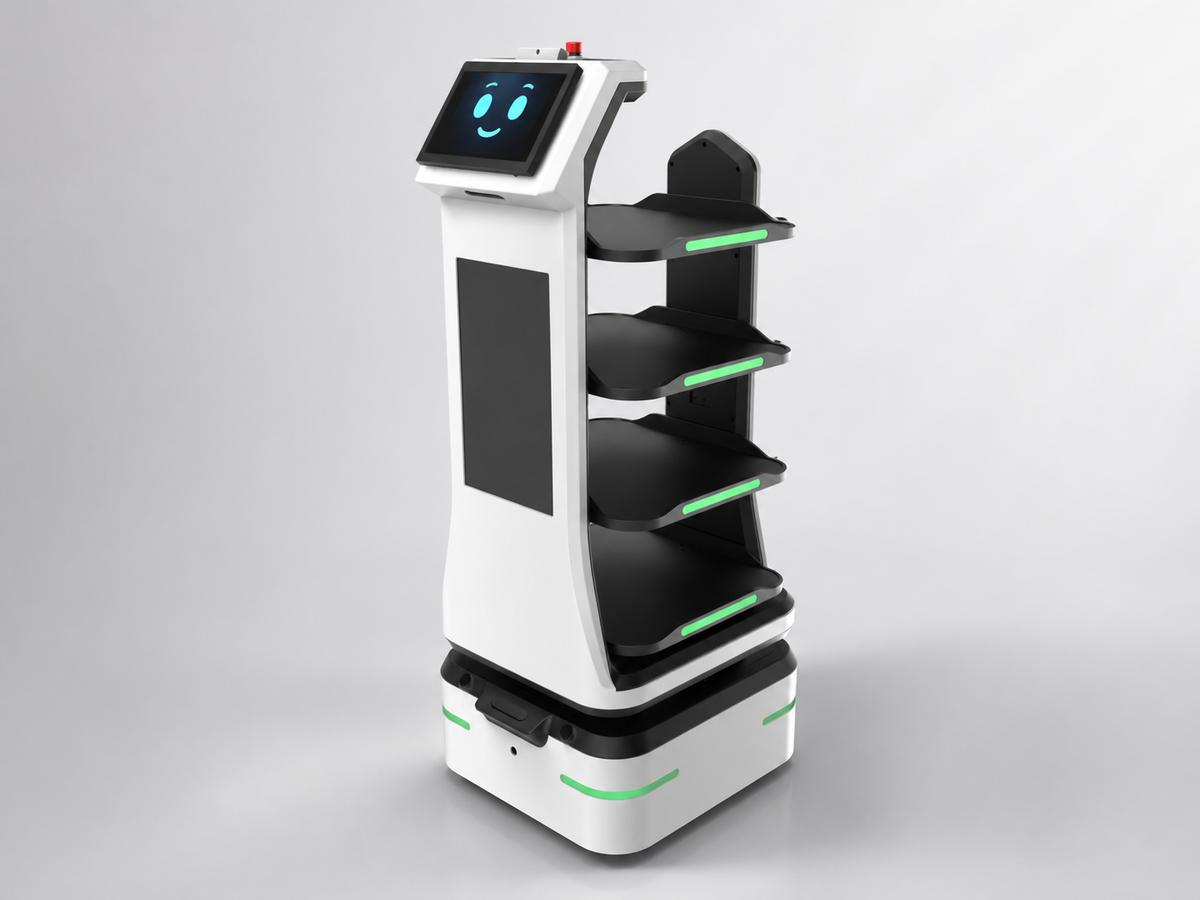
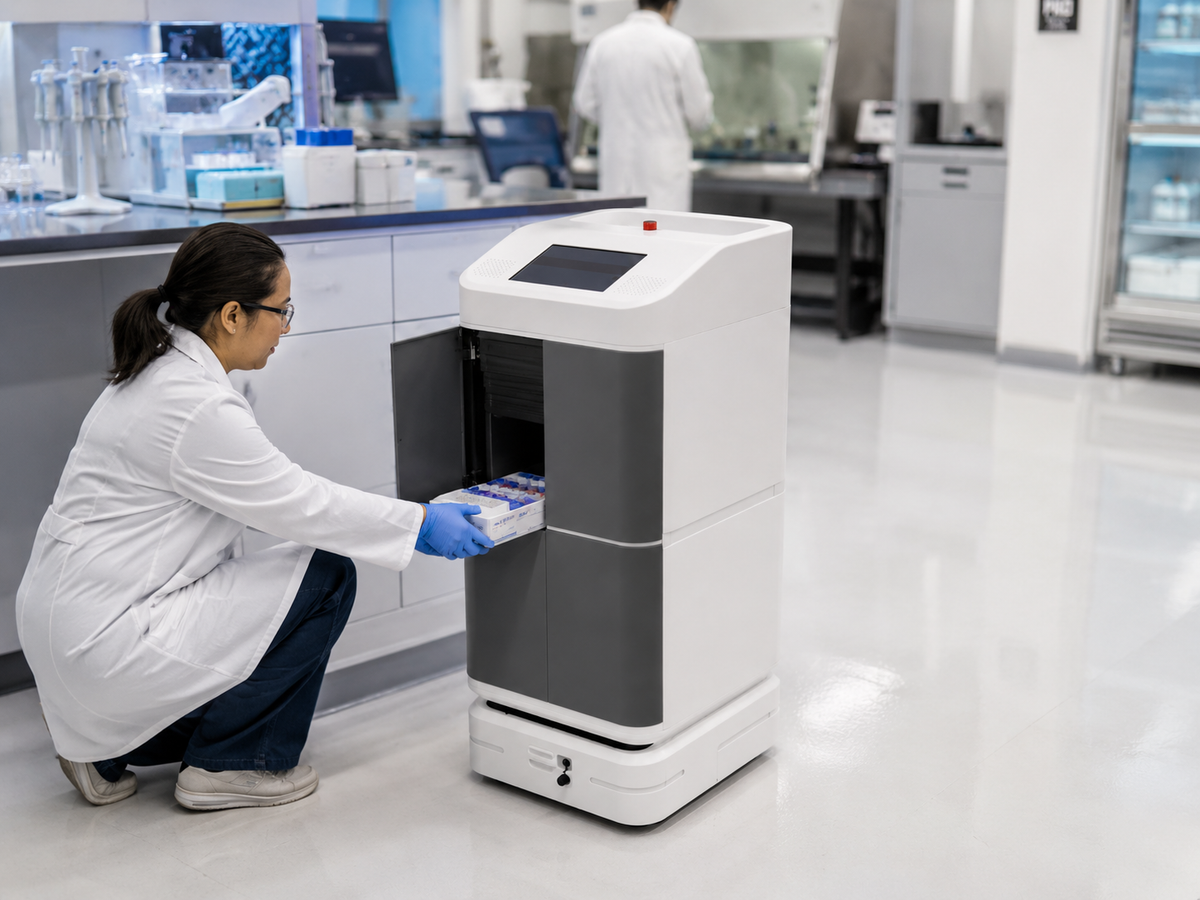
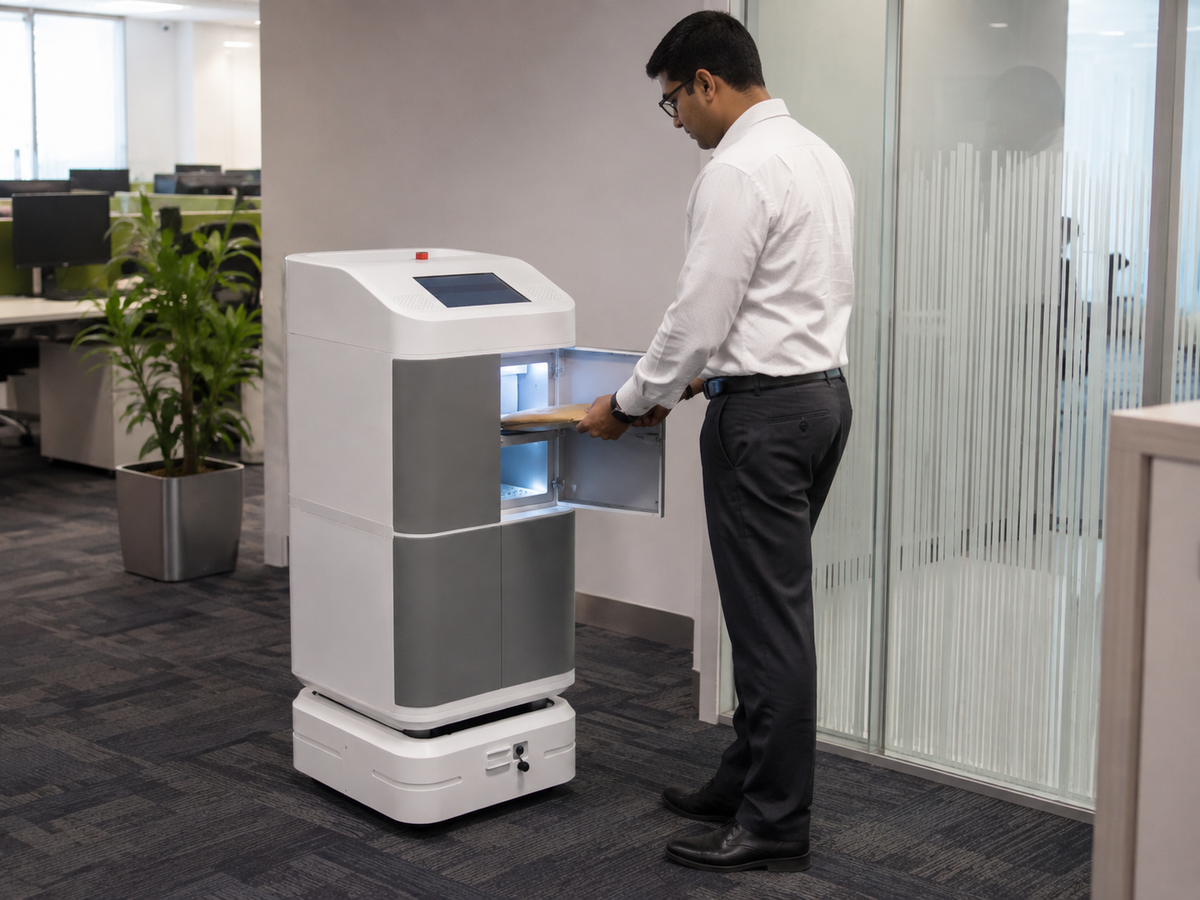
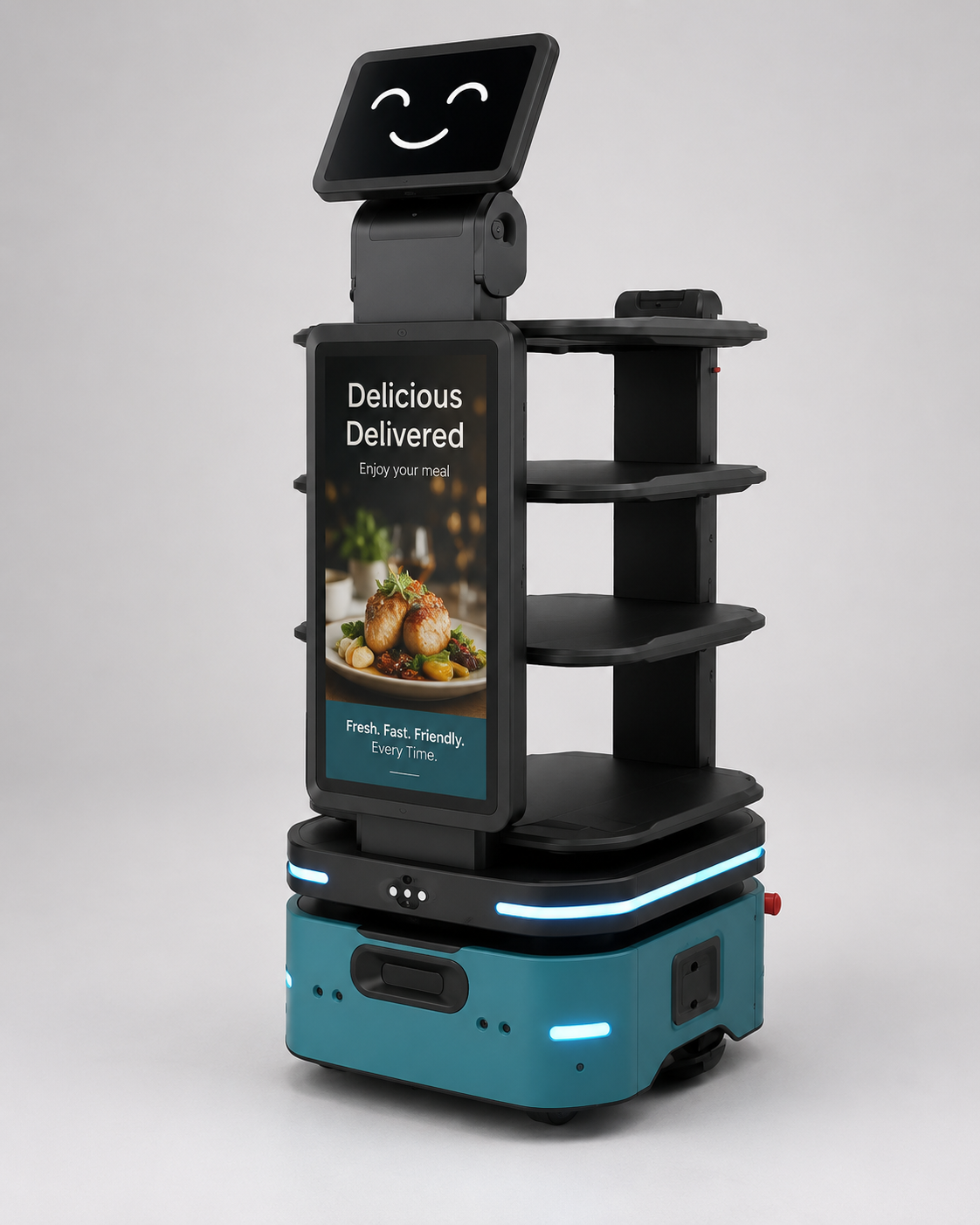
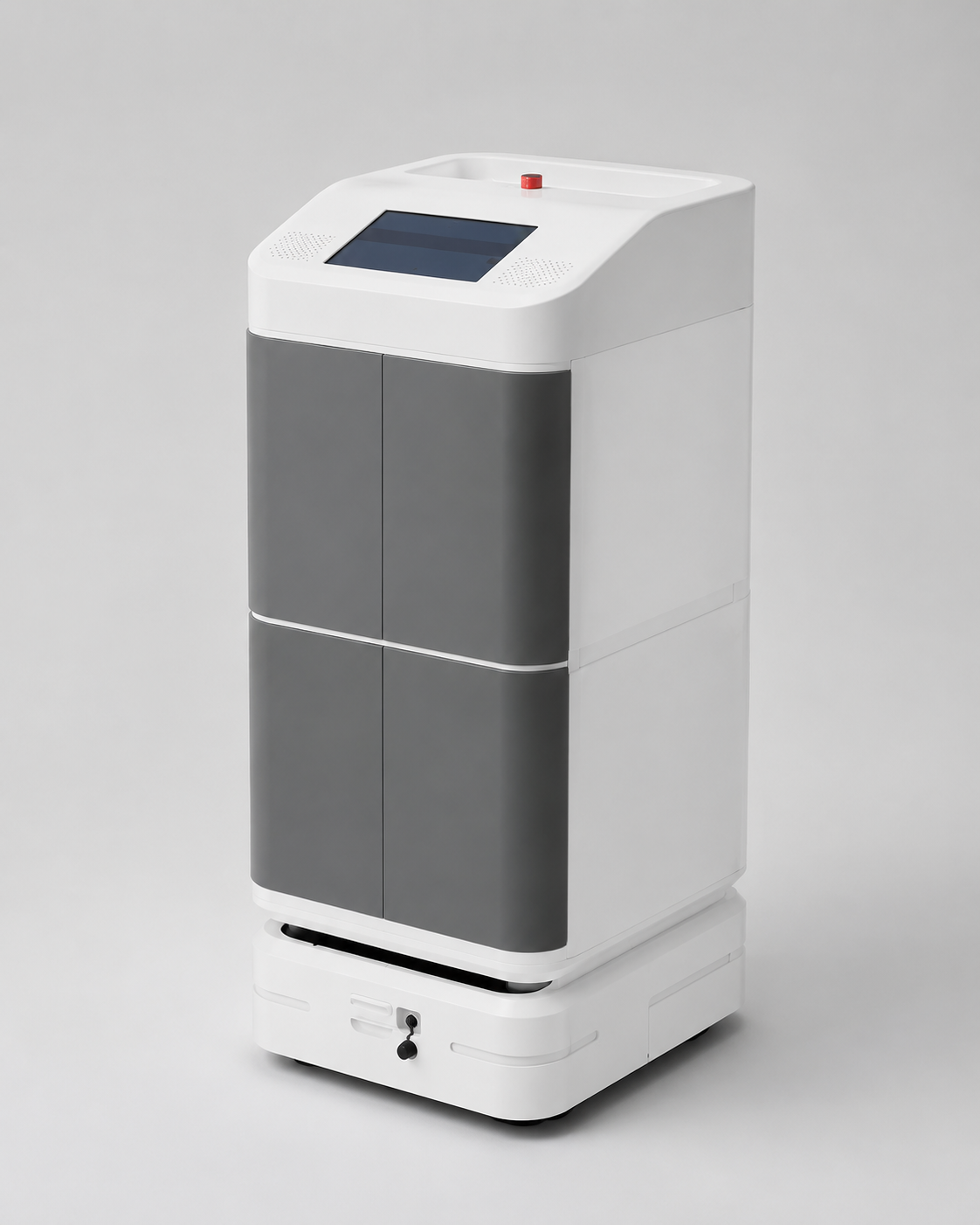
Open tray robots are usually simpler for front-of-house serving because staff and guests can access trays directly. Closed-compartment robots are stronger when the delivery needs more security, privacy or separation, such as hotel room service, medicine movement or controlled internal handover. The workflow should determine the enclosure type.
What can go wrong?
Common pilot problems include poorly chosen routes, tables moved into navigation paths, busy intersections, inaccessible charging points and unclear staff ownership. A robot should have a defined operator, daily charging routine, cleaning process and exception procedure.
Pilot before scale
Start with one route and one shift. Measure completed trips, interventions, time per trip and staff feedback. If the workflow proves useful, expand to more zones or additional robots. This produces a far better deployment than buying multiple units first and discovering the route later.
Map your food-delivery route
RIFE can review your dining layout, kitchen pickup point and peak-hour movement before recommending a robot configuration.
Talk to RIFE