Elevating Patient Care: The Transformative Power of Modern Mobile Medical Carts

 In the rapidly evolving landscape of healthcare, the tools that support clinicians at the point of care are as critical as the medical expertise they deliver. The simple concept of a trolley has been revolutionized into sophisticated, ergonomic, and connected medical carts—the silent champions of efficiency and patient safety in hospitals and clinics worldwide. These essential mobile medical carts are no longer just storage units; they are purpose-built medical workstations that drive the digital transformation of patient care.
If your facility is looking for medical carts for sale, understanding the cutting-edge features and specialized types available is the first step toward optimizing your clinical workflow and achieving a higher standard of care.

The Rise of the Intelligent Mobile Workstation
The shift to Electronic Health Records (EHRs) has dramatically increased the demand for highly functional mobile computing solutions. Medical computer carts on wheels and medical laptop carts have emerged as the foundational technology for point-of-care documentation.
Focus on Ergonomics and Efficiency
Modern medical computer carts workstations are engineered to be ergonomic, reducing the physical strain on nurses and doctors during long shifts. Key features include:
-
Height-Adjustable Medical Carts: The ability for a clinician to easily switch between sitting and standing positions with a push-button electric lift is a crucial feature, accommodating different users and reducing fatigue. This support for neutral posture helps prevent repetitive stress injuries and promotes an inclusive, multi-user friendly work environment.
-
Powered Medical Carts (Battery Powered Mobile Medical Carts): To truly enable mobility, powered medical carts are indispensable. Innovations in battery technology, such as the impressive 40+ hours of continuous run-time offered by specialized systems like Simplifi medical carts, eliminate "low battery anxiety" and ensure uninterrupted workflow for multiple shifts on a single charge. Whether using an internal pack or hot-swap battery system, this continuous power allows staff to bring their entire digital workstation—including a barcode scanner and dual monitors—to the patient's bedside for real-time data entry and better patient engagement.
-
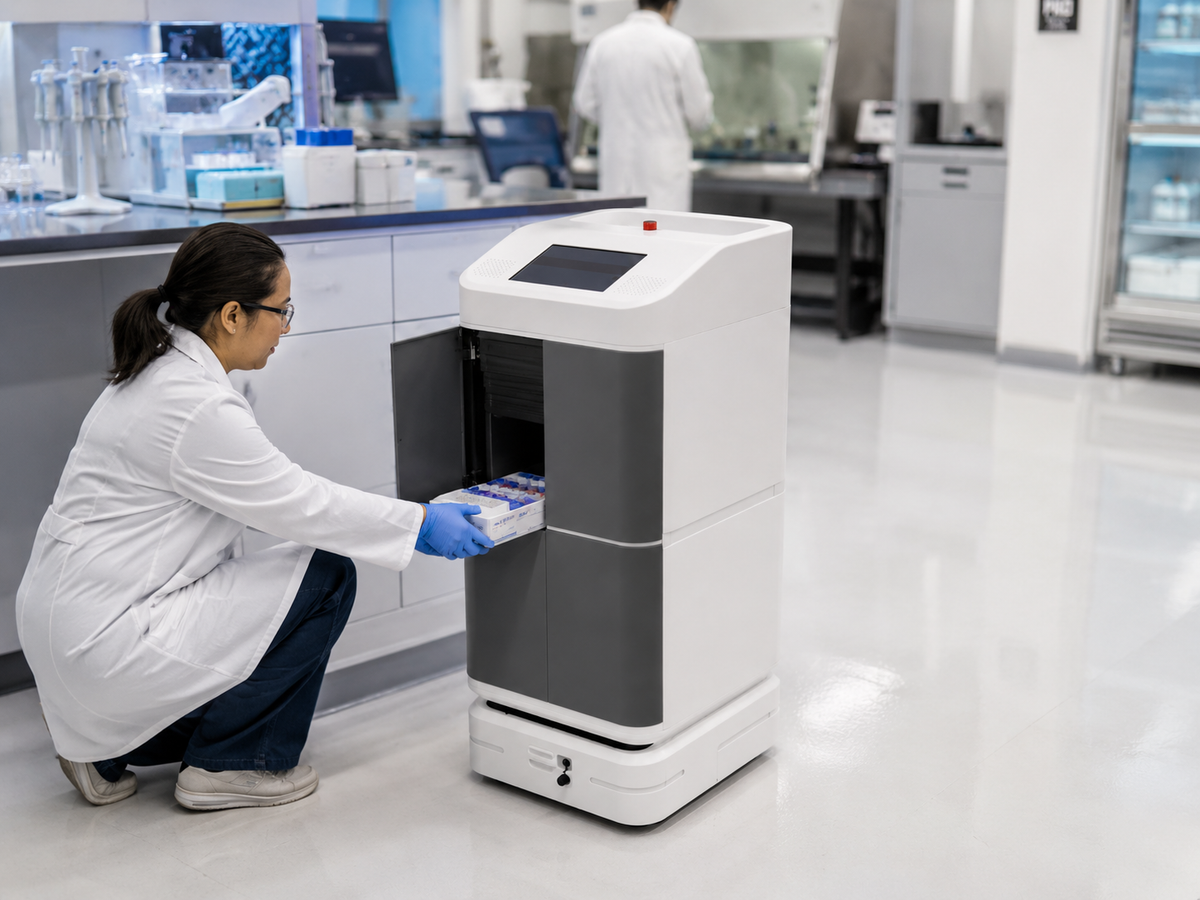
Medical Grade Carts: These carts are designed with non-porous, easy-to-clean surfaces and durable, often stainless steel or lightweight aluminum construction, which is vital for infection control, particularly in sterile environments.

Specialized Carts for Every Clinical Need
The generic medical trolly carts of the past have evolved into specialized tools tailored for specific hospital departments and procedures. A modern facility seeking best medical carts for its diverse operations must consider a modular and specialized approach.
Critical Care and Procedure Carts
-
Crash Carts for Medical Offices (Emergency Carts): Also known as code carts, these are perhaps the most vital of all medical equipment carts. They are meticulously organized and stocked with life-saving equipment, drugs, and intubation supplies, ensuring swift access during a medical emergency. Every floor and critical area requires at least one readily accessible crash carts medical unit.
-
Procedure and Medical Carts / Medical Treatment Carts: These are customized to contain all the necessary supplies for specific procedures, such as IV starts (IV carts medical), wound care, or diagnostic tests. Their design often includes multiple medical carts with drawers and wheels for systematic organization of treatment carts medical supplies.
-
Medical Records Carts & Medical Tablet Carts: In the age of digital transformation, some facilities still utilize secure carts for managing physical records, but increasingly, these are evolving into streamlined medical laptop carts or smaller medical tablet carts for quick, portable access to EMRs and telehealth applications.
Storage and Supply Management Carts
-
Medical Storage Carts with Wheels: These function as secure, mobile repositories for general supplies. Medical supply carts and portable medical storage carts are crucial for inventory control and for reducing the need for staff to make time-consuming trips to a central supply room.
-
Medical Modular Carts: This design allows for maximum adaptability. Adaptable medical carts feature configurable drawers, accessory rails, and flexible mounting options, enabling a single cart base to be quickly repurposed for different departmental requirements, from anesthesia to isolation.
A Global Market Opportunity: India's Leadership in Medical Carts
The medical carts market is experiencing significant global growth, projected to nearly triple in value by 2034, fueled by the accelerating adoption of digital healthcare solutions. This market expansion is a global phenomenon, with North America and Europe holding large shares, but the Asia-Pacific region is poised for the fastest and most transformative growth.

The India medical carts market is a powerhouse of this regional growth. Driven by increasing healthcare access and substantial investments in medical technology, the market is projected to expand at an impressive Compound Annual Growth Rate (CAGR) of 21.8% from 2024 to 2031. As hospitals in major metropolitan areas like Delhi modernize their infrastructure, the demand for sophisticated solutions—from mobile medical computer carts to high-capacity medical carts with drawers—is surging. Finding the right medical carts manufacturers is key, especially those who offer custom medical carts that can be tailored precisely to the unique logistical and technical requirements of a facility. Whether a hospital needs a local medical carts manufacturer Delhi or an international supplier, the focus remains on quality, durability, and compliance with high medical grade computer carts standards.
In other regions, the trend is similar; the GCC medical carts market, South America medical carts market, and even the Italy medical carts market are all contributing to the global shift toward mobile, digitized healthcare delivery.
Choosing Your Next Medical Cart Fleet
When evaluating carts for medical supplies or searching for a robust medical computer carts on wheels, the decision must align with the future of care: mobile, connected, and ergonomic.
Look for manufacturers who can deliver custom medical carts and offer a diverse portfolio of solutions, from the specialized functionality of crash carts to the daily workhorse efficiency of laptop carts for medical offices. By investing in high-quality, adaptable medical carts, healthcare institutions can empower their clinical staff, streamline complex workflows, and ultimately ensure that every moment is spent focusing on what truly matters: providing timely, excellent patient care. The modern medical cart is not just equipment; it is a vital partner in the pursuit of clinical excellence.
Frequently Asked Questions
1. What is the primary advantage of a mobile medical computer cart over a fixed workstation?
The primary advantage is enabling real-time, point-of-care documentation. Medical computer carts on wheels bring the entire EHR and necessary applications directly to the patient’s bedside, streamlining clinical workflows, improving data accuracy, and fostering better patient engagement during rounds.
2. Why are "powered medical carts" essential for modern hospitals?
Powered medical carts are essential because they ensure workflow continuity across multiple shifts. With extended run-time batteries (often 40+ hours), they eliminate "low battery anxiety," preventing clinicians from being forced to leave the patient area to recharge, ensuring uninterrupted access to critical information and equipment.
3. What does it mean for a cart to be "medical grade"?
A medical grade cart is specifically engineered for the rigorous demands of a clinical environment. This means it is constructed from non-porous, durable, and easily cleanable materials to maintain strict infection control standards, and is designed to safely house sensitive electronic and medical equipment.
4. What is the difference between a crash cart and a medical procedure cart?
A crash cart (or emergency cart) is a highly specialized cart stocked with specific life-saving drugs, equipment, and supplies required during a medical emergency or code. A medical procedure cart (or treatment cart) is customized for routine, specific tasks, such as IV starts or wound care, organized to enhance daily operational efficiency.
5. Which regions are currently driving the most significant growth in the medical carts market?
While North America and Europe remain large markets, the Asia-Pacific region, especially the India medical carts market, is projected to experience the fastest growth. This is driven by accelerating investment in digital healthcare infrastructure and the modernization of hospital facilities.