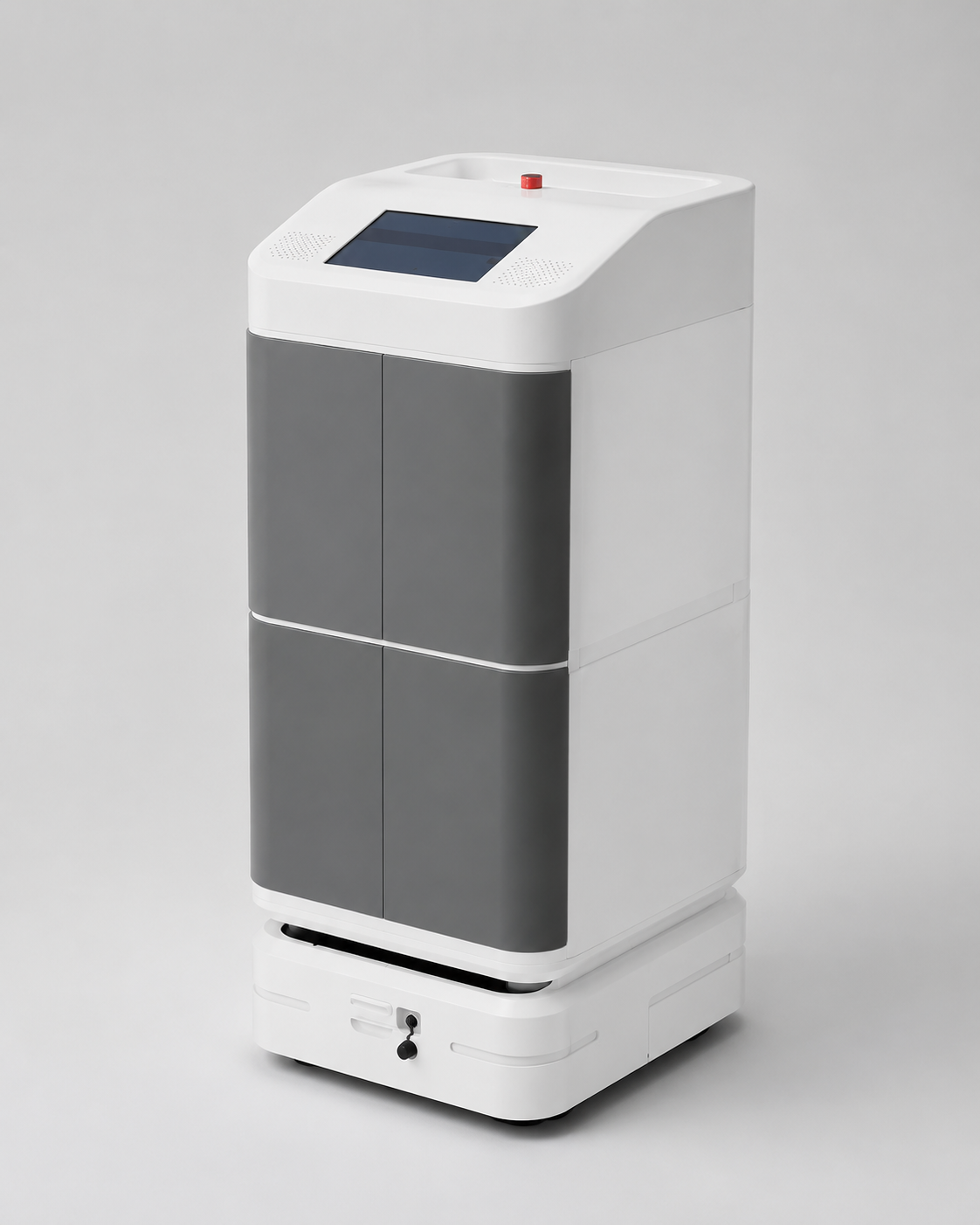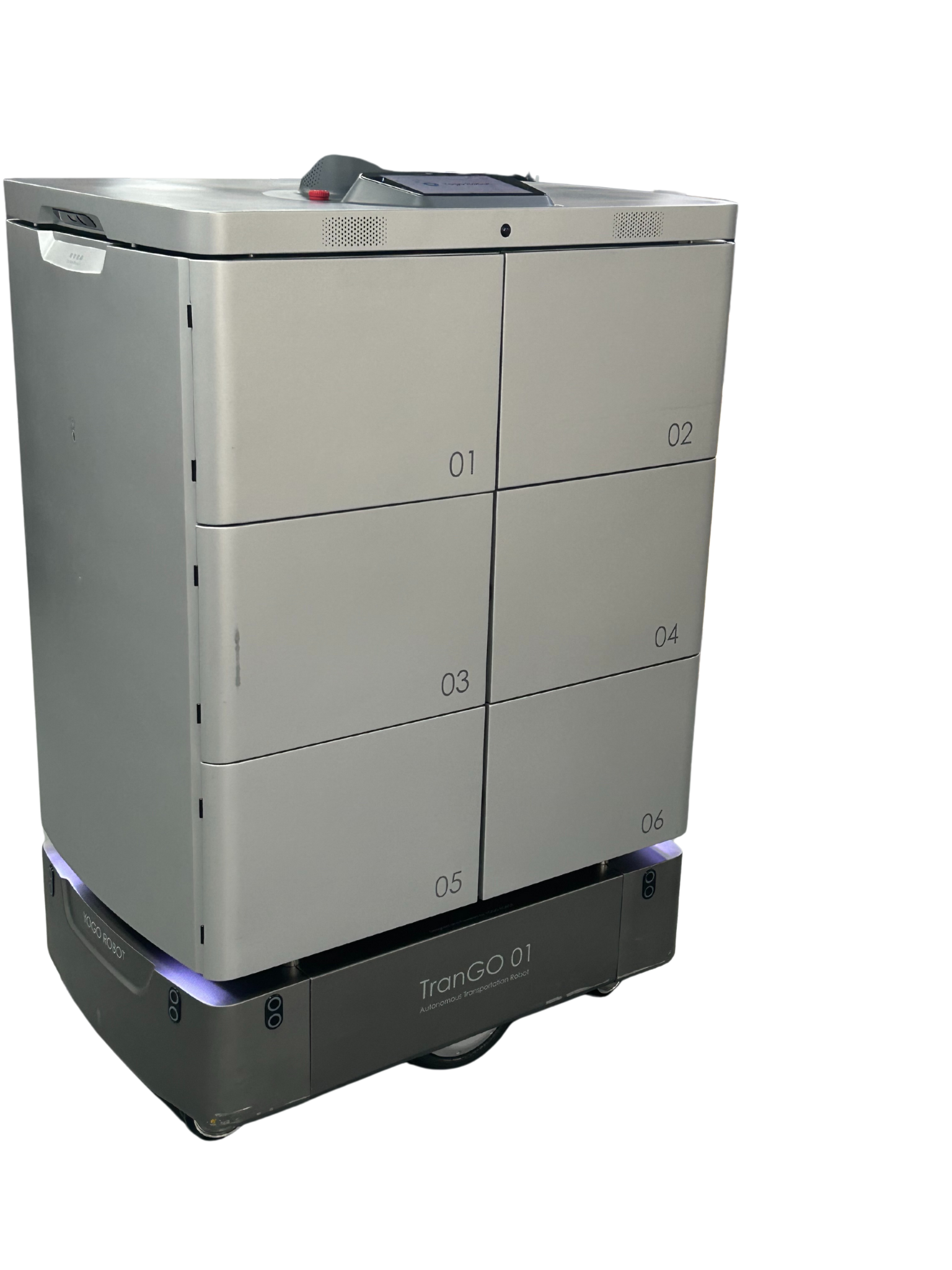
Revolutionizing the Hospital Floor: The Expert’s Guide to Medical Workstations on Wheels

The modern healthcare environment is a landscape of constant motion, where every second counts and patient data integrity is paramount. In this dynamic setting, the convergence of technology and mobility has yielded one of the most transformative tools for clinical staff: the medical workstation on wheels. Far from being a simple trolley, this specialized equipment—often referred to as a medical cart on wheels or a computer on wheels medical system—is a sophisticated platform that empowers healthcare professionals to deliver seamless, patient-centric care.
This post delves into the core components, design intelligence, and strategic advantages of these indispensable mobile solutions, offering an expert perspective on why they are the cornerstone of a high-efficiency clinical practice.

Redefining Clinical Workflow: The Power of Mobile Computing
The primary function of a medical computer on wheels is to bring the Electronic Health Record (EHR) and critical clinical applications directly to the patient’s bedside. This seemingly simple action eliminates a decades-old pain point in hospitals: the time-consuming detour back to a stationary nurses’ station.
The integration of a medical laptop cart on wheels or a medical computer cart on wheels allows for real-time charting and data verification during a patient interaction. This not only significantly reduces the time spent on administrative tasks but, crucially, mitigates the risk of transcription errors that can occur when notes are taken and entered later from memory.
By providing instant access to patient histories, diagnostic images, and medication administration records (MARs) at the point of care, these medical computers on wheels elevate patient safety and streamline the entire care process. Clinicians can enter vital signs, prescribe medication, and update a patient’s chart while actively engaging with them, creating a more present and effective care experience. This fluid, immediate workflow is the hallmark of a truly optimized unit.
Engineered for the Clinician: Ergonomics and Operational Efficiency
A true workstation on wheels medical grade cart must be engineered not just for technology, but for the human body. The long hours and high-stress environment of healthcare necessitate equipment that supports the well-being of the staff. This is where meticulous design in a medical stand on wheels makes an indelible difference.

Key Design Features for Superior Performance:
-
Adjustable Height for All Users: High-quality laptop cart on wheels medical units feature effortless height adjustment—often with a single touch—allowing the work surface and screen to be optimally positioned for users of all statures, whether sitting or standing. This ergonomic adaptability directly reduces the risk of work-related musculoskeletal disorders.
-
Medical Cart Wheels and Casters: The mobility of the cart rests entirely on the quality of its medical cart wheels. Smooth-rolling, non-marking, and lockable casters are non-negotiable, ensuring the medical cart with wheels can be quickly yet silently moved across various flooring types and securely locked into place at the bedside.
-
Power and Longevity: For a medical laptop on wheels to truly support a full shift, it requires a robust, purpose-built power system. Hot-swappable battery technology allows clinicians to exchange a depleted battery for a fresh one in seconds, ensuring uninterrupted operation without the need to find an outlet for charging—a critical feature that maintains workflow continuity.
Specialization in Mobile Platforms: Beyond the PC
While the mobile computing aspect receives significant attention, the utility of the medical cart on wheels extends into a variety of specialized roles critical to daily operations. These mobile platforms are customized to serve distinct departmental needs, proving that flexibility and purpose-built design are essential for maximizing clinical return on investment.

-
Medication and Supply Management: A medical cart with drawers on wheels transforms into a secure medication dispensing station. These drawers often feature electronic locking systems that integrate with the hospital’s security protocols, protecting controlled substances and ensuring compliance. Similarly, a medical supply cart on wheels is configured with multiple trays and compartments for fast access to essential consumables and instruments.
-
Information Display and Charting: For patient monitoring and bedside review, a medical screen on wheels provides a large, clear display for X-rays, lab results, or remote consultations. The medical chart cart on wheels ensures that even in fully digital environments, there is an organized, secure surface for any necessary physical documentation or small tools. For environments with space constraints, the small medical cart on wheels provides full functionality in a compact footprint, proving that even a medical tray with wheels can be a high-efficiency solution.
-
Infection Control: Every surface of a quality medical cart on wheels with drawers is designed with infection prevention in mind. Non-porous materials, minimal seams and crevices, and antimicrobial coatings ensure that the carts can be thoroughly and efficiently disinfected, supporting the highest standards of hygiene at the point of care.
A Global Standard for Trust: Sourcing and Quality Assurance
The demand for high-performance medical on wheels equipment necessitates a robust and quality-controlled global supply chain. When procuring these critical assets, discerning healthcare organizations look past price to focus on compliance and manufacturer dedication to international standards.

The global market, including hubs with high-volume china medical cart on wheels suppliers, requires a clear understanding of quality verification. Leading manufacturers, regardless of their location, adhere to stringent international benchmarks. The presence of ISO 13485 certification is a critical indicator; this is the globally recognized standard for a quality management system specific to the design and manufacture of medical devices.
Selecting a supplier who adheres to standards like IEC 60601-1 (for electrical medical equipment safety and performance) ensures that the medical wheels, the stability of the medical stand on wheels, and the electrical systems within the computer cart on wheels medical are safe, reliable, and compliant with major regulatory bodies. A commitment to transparency in the supply chain—from the raw materials used for medical drawers on wheels to the final assembly—is the only way to guarantee a product that meets the sustained rigor of a twenty-four-hour clinical operation. When evaluating china medical cart on wheels options, the focus must always be on the verifiable quality and adherence to these international medical device standards.
The Future of Care is Fluid and Mobile
The evolution of the medical utility cart with wheels from a simple supply holder to a fully integrated mobile diagnostic and charting tool is a testament to the industry's drive toward optimal patient outcomes. By investing in ergonomic, secure, and technologically advanced medical workstations on wheels, health systems are not simply purchasing equipment; they are enabling their staff to work with greater precision, reduced fatigue, and unparalleled efficiency.
The power of having every resource—data, device, and supply—at the patient's side is more than a convenience; it is a fundamental pillar of modern, high-quality care. This commitment to mobile excellence ensures that the focus remains squarely on the patient, driving a future where healthcare is delivered with confidence, speed, and genuine connection.

Frequently Asked Questions
1. Q: What is the primary purpose of a medical workstation on wheels (WOW)?
A: Its primary purpose is to integrate the Electronic Health Record (EHR) and critical clinical applications, such as medication administration records (MARs), and bring them directly to the patient's bedside, facilitating real-time charting and data verification at the point of care.
2. Q: How does a medical computer on wheels specifically improve clinical efficiency and mitigate errors?
A: It improves efficiency by eliminating detours to a stationary nurses' station for charting, allowing clinicians to enter data immediately during patient engagement. This real-time documentation fundamentally mitigates the risk of transcription errors and ensures data integrity.
3. Q: What design feature is critical to ensure a medical laptop cart on wheels can operate for an entire hospital shift without interruption?
A: The critical feature is a robust, purpose-built power system, typically featuring hot-swappable battery technology. This allows clinicians to exchange a depleted battery for a charged one in seconds, ensuring seamless, uninterrupted operation.
4. Q: Beyond holding a computer, what specialized roles can these medical carts on wheels be configured for?
A: They can be configured as secure medication dispensing stations (using electronic-locking drawers), designated medical supply carts for consumables, or dedicated medical screen on wheels for large-display imaging and remote consultation review.
5. Q: When procuring medical carts on wheels, particularly from global suppliers, what is the most important quality standard to verify?
A: The most important standard is ISO 13485 certification. This globally recognized standard confirms that the manufacturer adheres to a stringent quality management system specific to the design and manufacture of medical devices, ensuring safety and reliability