Customer & Visitor Experience
Support selected reception, information, guidance or service workflows.
What are you looking for?
Popular Searches:
Popular Products
Commercial automation and AI solutions selected around the workflow, environment and customer or staff interaction the project needs to support.

Automation projects work best when the operational task, user journey, environment and required handoffs are clear before selecting a robot, kiosk or AI system.
Compare the intended task, operating environment, user interaction and deployment requirements before selecting a system.
Support selected reception, information, guidance or service workflows.
Evaluate automation where repetitive movement, information or service workflows can be structured.
Deploy purpose-selected automation around defined business processes and site conditions.
Use these four checks before narrowing the final model.
Describe the exact workflow the system should support and where human handoff remains necessary.
Review space, traffic, surfaces, connectivity and interaction conditions relevant to the system.
Confirm required user interactions and any verified integration scope for the selected solution.
Confirm quantity, operating hours, training, support and site-readiness requirements.
Products shown below are the models currently assigned to this collection.
Use the project requirement and the selected product listing together. Do not assume every feature applies to every model.
Choose technology only after the operational task and expected user journey are clear.
Check the physical environment and infrastructure requirements for the selected system.
Define what users, staff or visitors need to do with the system.
Confirm integrations and software capabilities for the exact model and project; do not assume them.
The useful collection information and internal links from the established page are retained below, reorganised inside the premium collection layout.
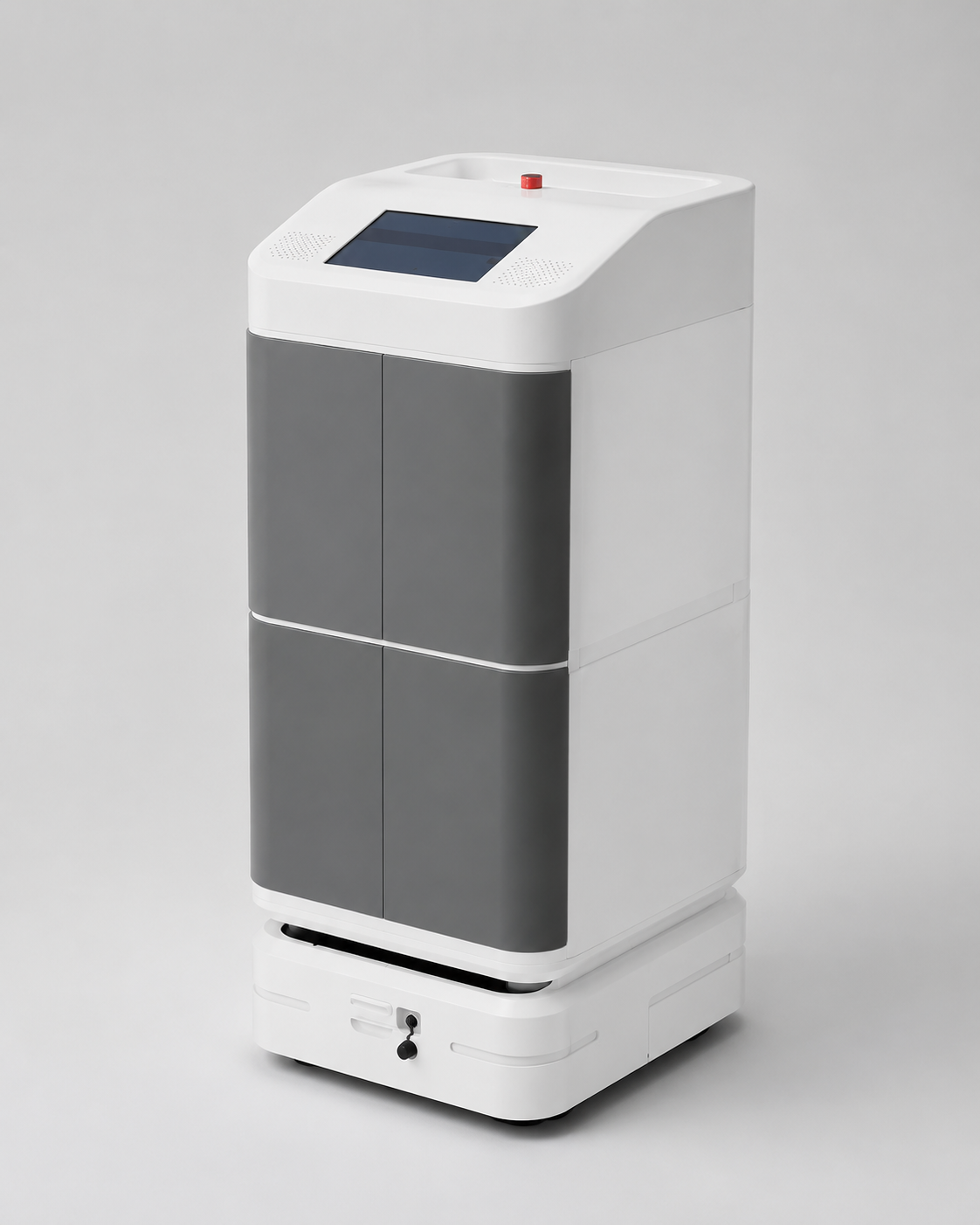
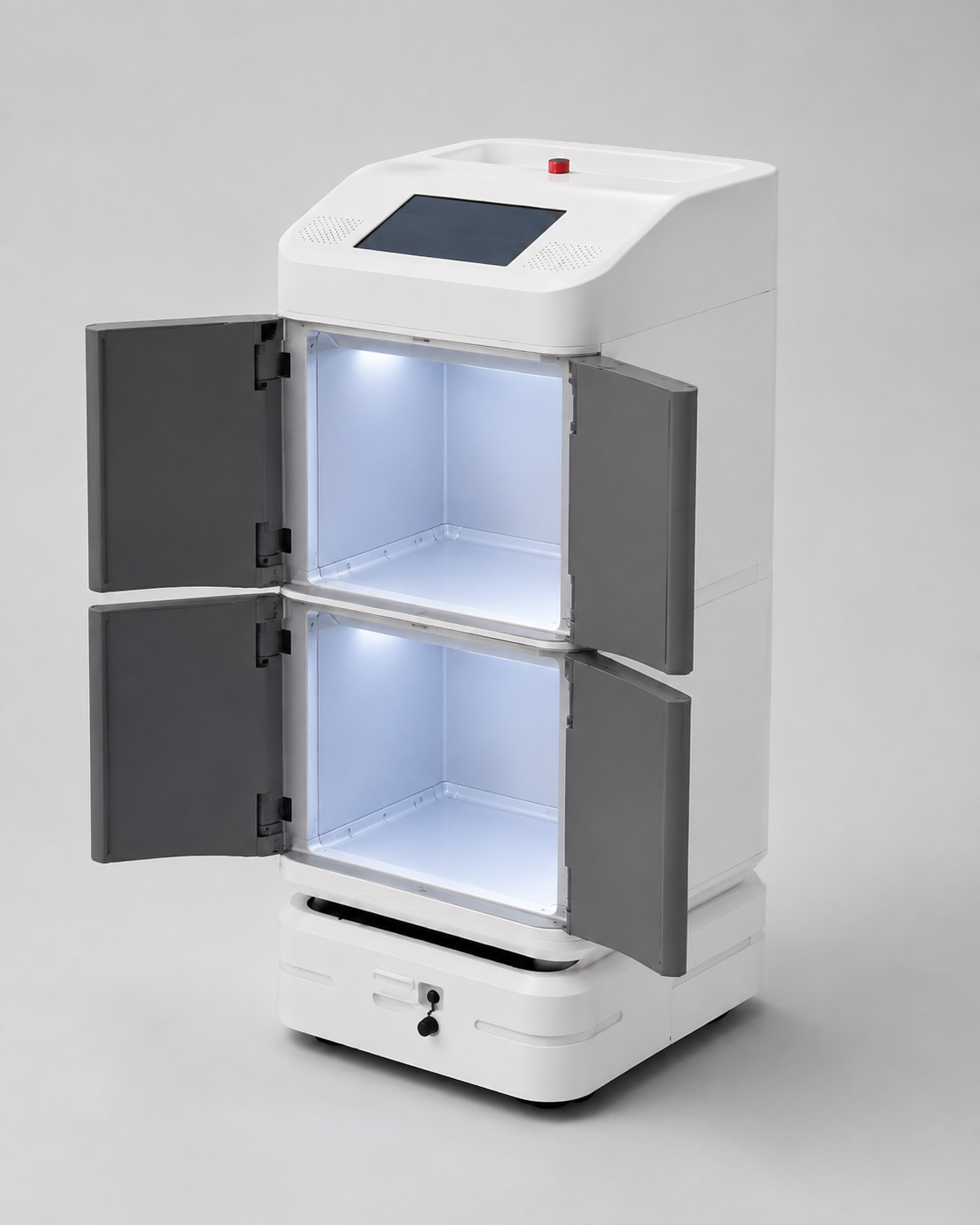
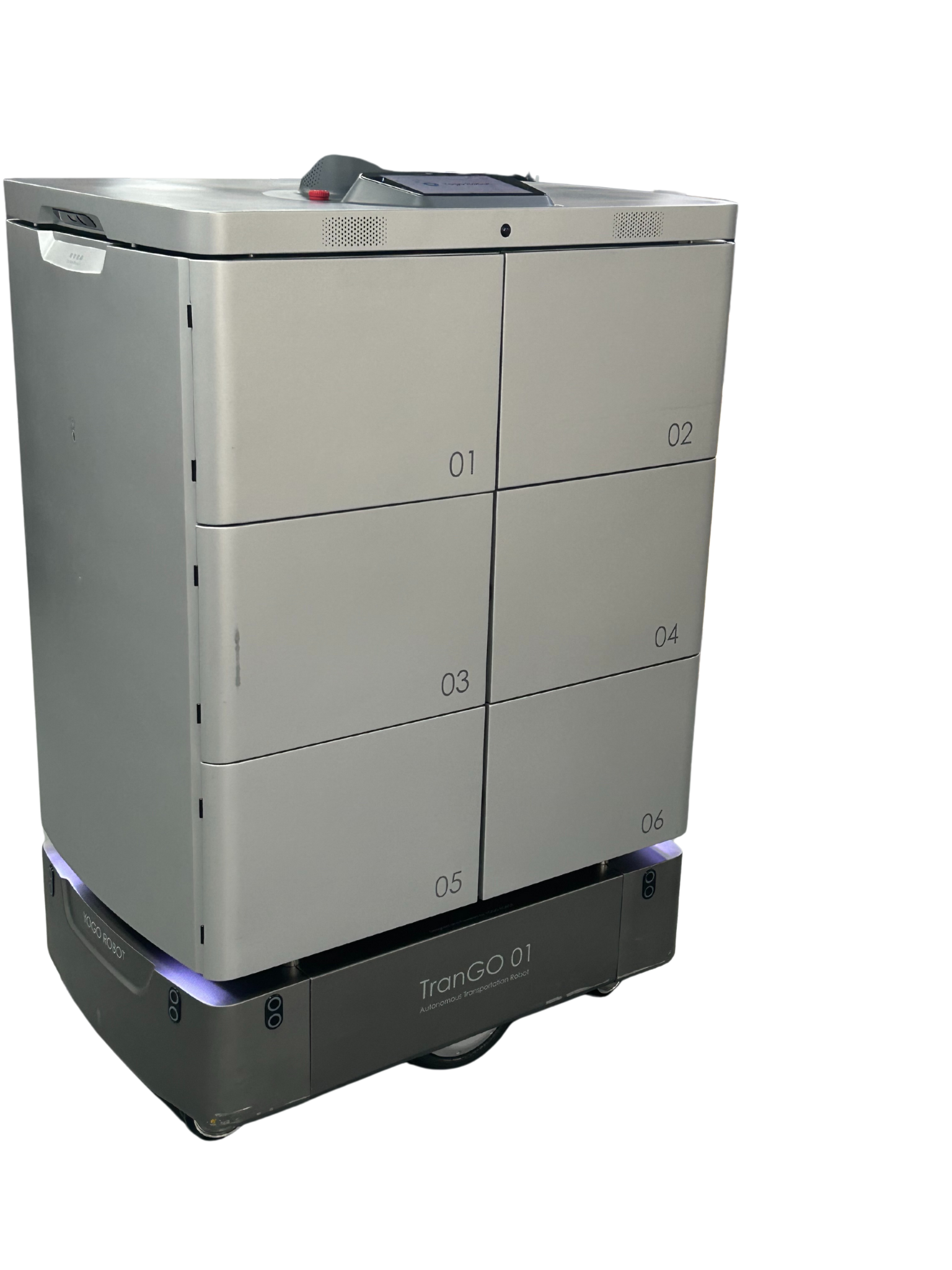
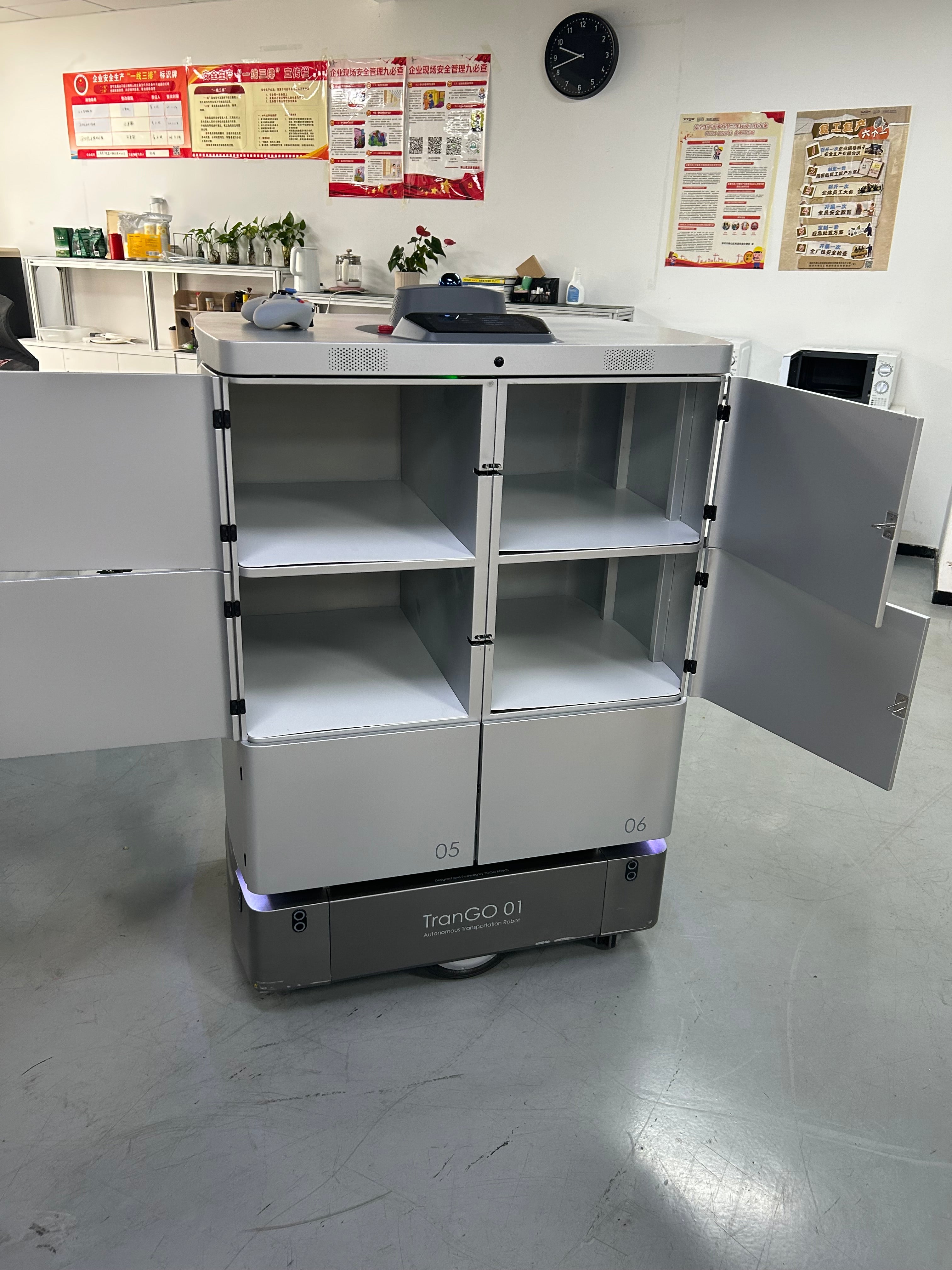
The delivery robots industry is a rapidly growing sector within the broader field of robotics and automation. It involves the development, deployment, and operation of autonomous robots designed to transport goods and packages from one location to another. These robots are transforming the way goods are delivered, offering numerous benefits to businesses and consumers alike.
Here are some key aspects of the delivery robots industry:
Advancements in Technology: Recent advancements in robotics, artificial intelligence, sensor technology, and mapping systems have paved the way for the development of sophisticated delivery robots. These technologies enable robots to navigate complex environments, avoid obstacles, and make intelligent decisions, ensuring efficient and safe deliveries.
Last-Mile Delivery: Delivery robots primarily focus on the last-mile delivery segment, which refers to the final leg of the delivery process from a distribution center or hub to the customer's doorstep. Last-mile delivery is often the most time-consuming and costly part of the logistics chain, making it a prime area for automation and optimization.
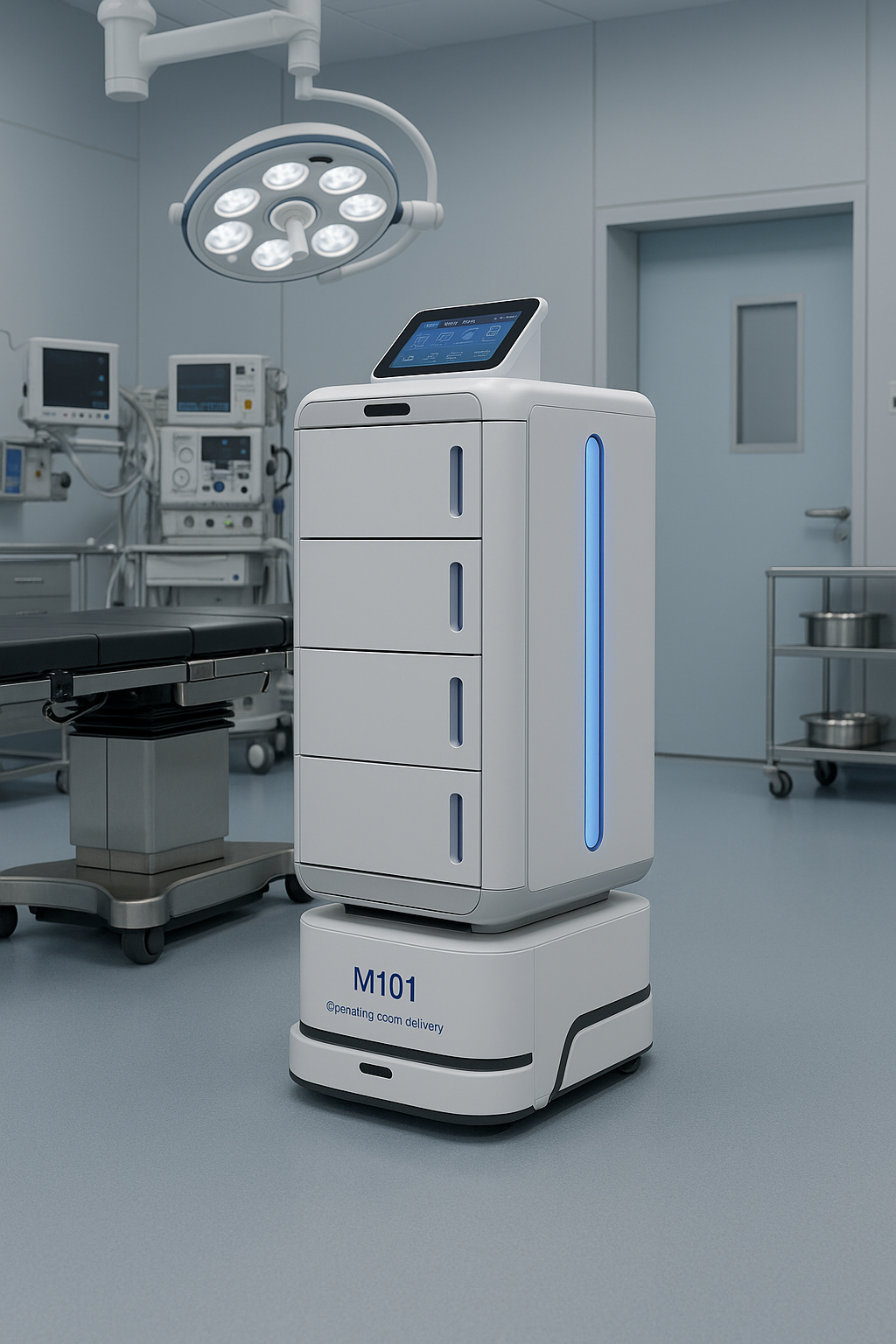
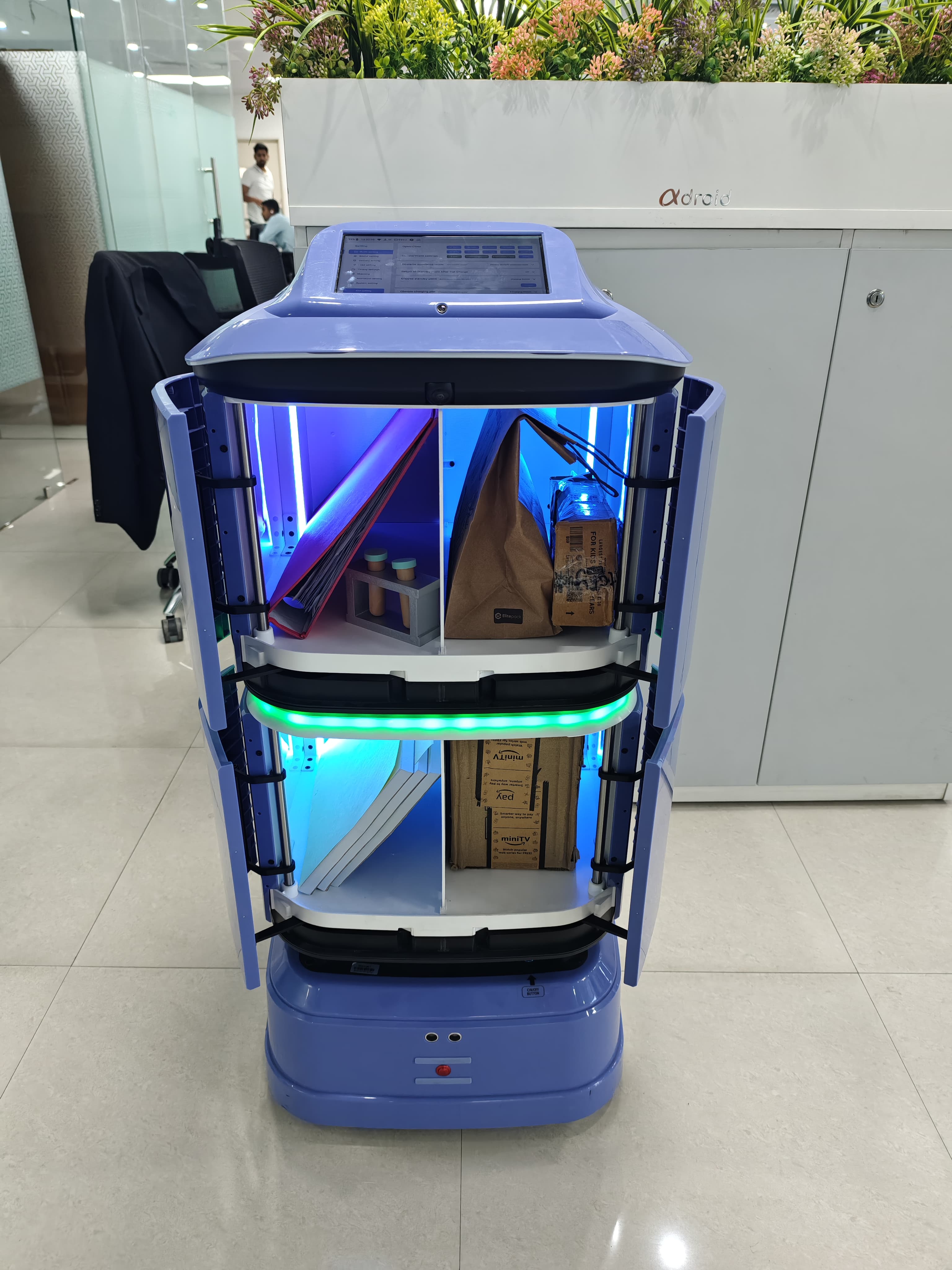
Varied Applications: Delivery robots are employed in various industries, including e-commerce, retail, food delivery, healthcare, and more. They can transport a wide range of goods, from small packages to groceries and even hot meals. The versatility of delivery robots allows businesses to streamline their operations and offer enhanced customer experiences.
Benefits for Businesses: Delivery robots offer several advantages for businesses. They can reduce delivery costs by minimizing labor requirements and optimizing route planning. Robots also improve delivery speed, as they can operate 24/7 without fatigue. Additionally, businesses can differentiate themselves by offering innovative and convenient delivery options, attracting more customers and boosting their competitive edge.
Customer Convenience: Delivery robots provide a convenient and contactless delivery experience for customers. They can deliver packages directly to the customer's doorstep or designated pickup locations, eliminating the need for in-person interactions. Real-time tracking capabilities also allow customers to monitor their deliveries and have better control over their schedules.
Regulatory and Social Considerations: As delivery robots become more prevalent, regulatory frameworks and guidelines are being developed to address concerns related to safety, privacy, and public acceptance. Ensuring the robots operate safely and seamlessly within existing infrastructure is a crucial aspect of the industry's growth.
Overall, the delivery robots industry is experiencing significant growth and is poised to continue expanding in the coming years. The increasing demand for efficient and sustainable delivery solutions, along with advancements in technology, will drive further innovation in this field, transforming the way goods are transported and delivered.
Share the application, equipment, quantity, site conditions and preferred configuration so the right model can be discussed.
The delivery robots industry is a rapidly growing sector within the broader field of robotics and automation. It involves the development, deployment, and operation of autonomous robots designed to transport goods and packages from one location to another. These robots are transforming the way goods are delivered, offering numerous benefits to businesses and consumers alike.
Here are some key aspects of the delivery robots industry:
Advancements in Technology: Recent advancements in robotics, artificial intelligence, sensor technology, and mapping systems have paved the way for the development of sophisticated delivery robots. These technologies enable robots to navigate complex environments, avoid obstacles, and make intelligent decisions, ensuring efficient and safe deliveries.
Last-Mile Delivery: Delivery robots primarily focus on the last-mile delivery segment, which refers to the final leg of the delivery process from a distribution center or hub to the customer's doorstep. Last-mile delivery is often the most time-consuming and costly part of the logistics chain, making it a prime area for automation and optimization.
Varied Applications: Delivery robots are employed in various industries, including e-commerce, retail, food delivery, healthcare, and more. They can transport a wide range of goods, from small packages to groceries and even hot meals. The versatility of delivery robots allows businesses to streamline their operations and offer enhanced customer experiences.
Benefits for Businesses: Delivery robots offer several advantages for businesses. They can reduce delivery costs by minimizing labor requirements and optimizing route planning. Robots also improve delivery speed, as they can operate 24/7 without fatigue. Additionally, businesses can differentiate themselves by offering innovative and convenient delivery options, attracting more customers and boosting their competitive edge.
Customer Convenience: Delivery robots provide a convenient and contactless delivery experience for customers. They can deliver packages directly to the customer's doorstep or designated pickup locations, eliminating the need for in-person interactions. Real-time tracking capabilities also allow customers to monitor their deliveries and have better control over their schedules.
Regulatory and Social Considerations: As delivery robots become more prevalent, regulatory frameworks and guidelines are being developed to address concerns related to safety, privacy, and public acceptance. Ensuring the robots operate safely and seamlessly within existing infrastructure is a crucial aspect of the industry's growth.
Overall, the delivery robots industry is experiencing significant growth and is poised to continue expanding in the coming years. The increasing demand for efficient and sustainable delivery solutions, along with advancements in technology, will drive further innovation in this field, transforming the way goods are transported and delivered.