Corporate & Enterprise
Professional deployments where equipment, workflow and long-term usability need to be planned together.
What are you looking for?
Popular Searches:
Popular Products
Professional RIFE solutions selected around your application, equipment, site conditions and deployment requirements.

Different projects need different equipment, capacities, layouts and operating workflows. This collection brings the relevant models together so buyers can compare the practical fit before final selection.
Compare the environment, equipment, capacity, workflow and site conditions before narrowing the final model.
Professional deployments where equipment, workflow and long-term usability need to be planned together.
Structured systems for shared spaces, managed assets and project-based requirements.
Application-led configurations for departments, facilities and operational teams where appropriate.
Use these four checks before narrowing the final model.
Confirm where the system will be used and the job it needs to support.
Record the equipment, quantity, dimensions and any capacity requirement.
Consider access, movement, storage, power, mounting or security needs as relevant.
Confirm product-specific dimensions, compatibility and options before ordering.
Products shown below are the models currently assigned to this collection.
Use the project requirement and the selected product listing together. Do not assume every feature applies to every model.
Choose around the actual use case rather than the collection name alone.
Verify the equipment count, physical dimensions and available site space.
Consider who uses the system, how often and how equipment is accessed or moved.
Check the selected product listing and confirm project-specific requirements before purchase.
The useful collection information and internal links from the established page are retained below, reorganised inside the premium collection layout.
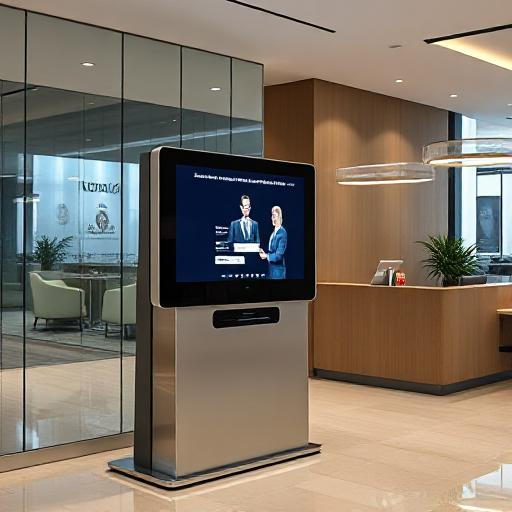
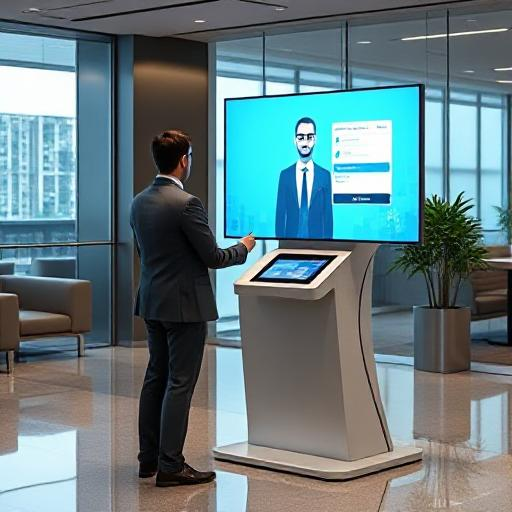
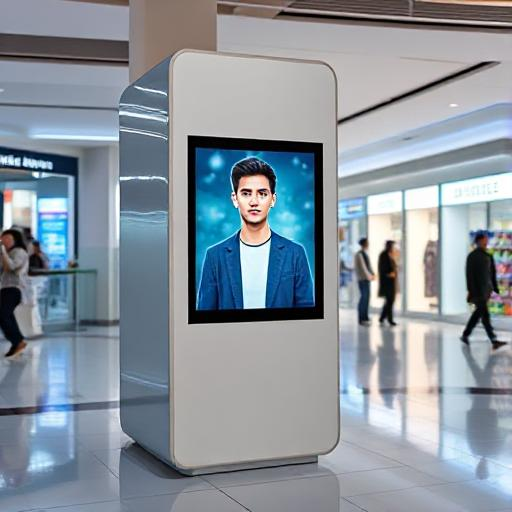
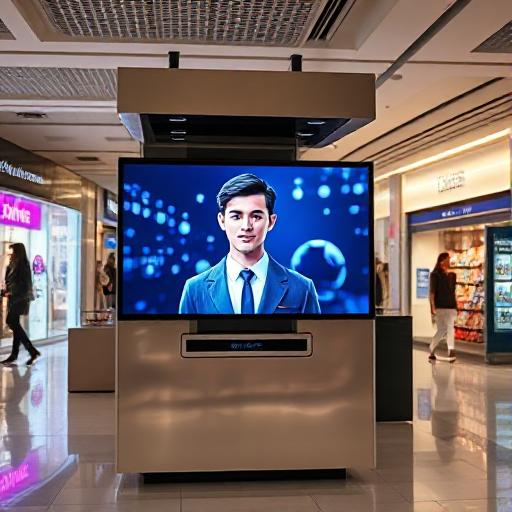
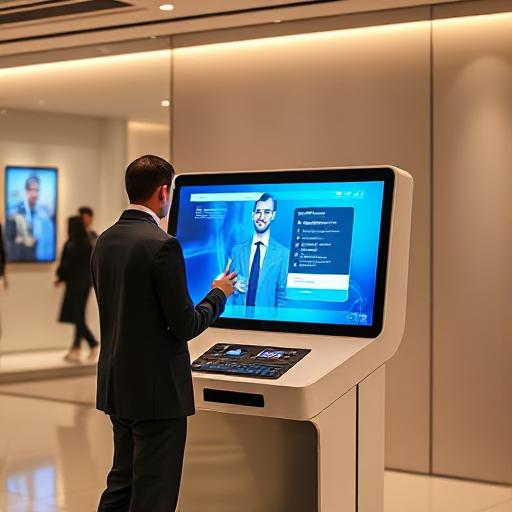
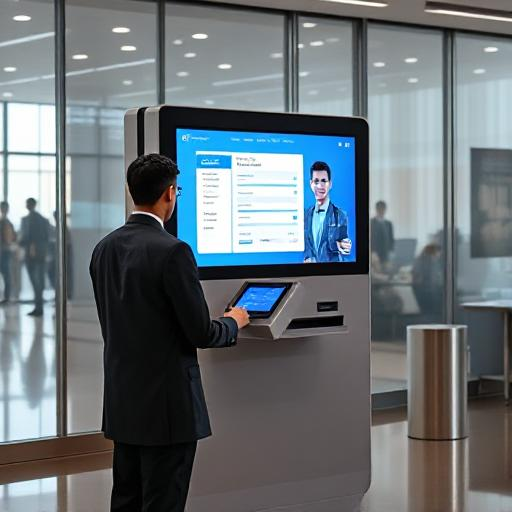
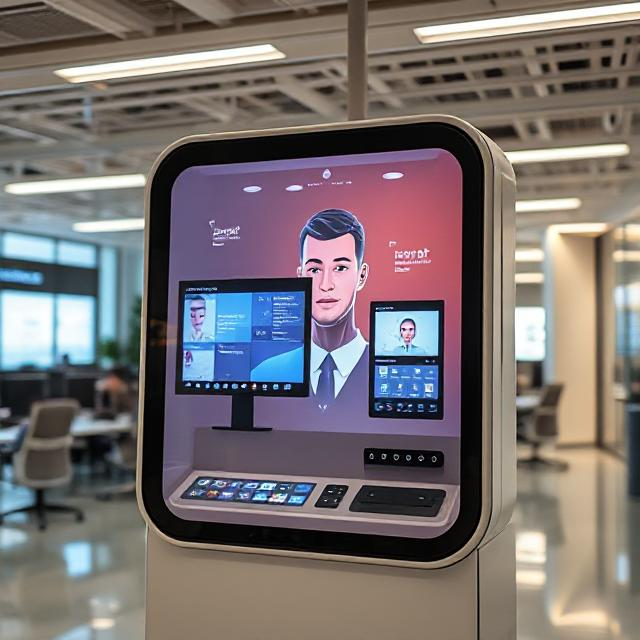
AI-powered kiosks are revolutionizing visitor experiences and operational efficiency across high-traffic public venues such as stadiums, airports, railway stations, and museums. These intelligent self-service machines combine automation, artificial intelligence, and user-friendly interfaces to deliver seamless, personalized, and secure services.
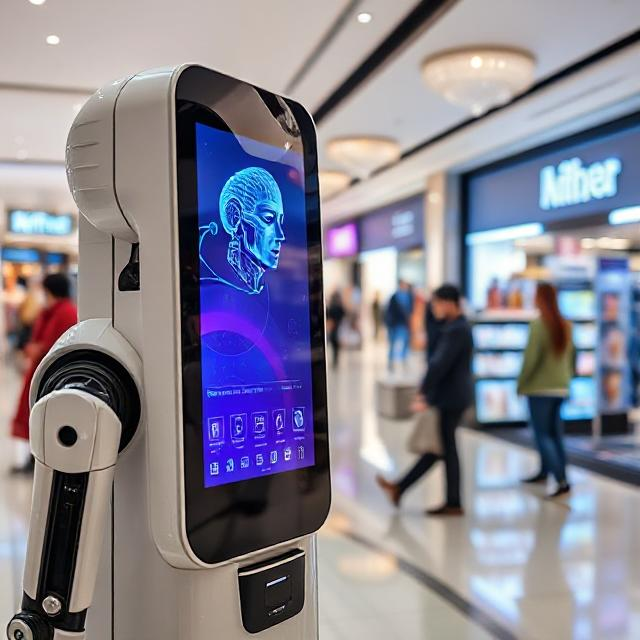
The future of public venue management involves the integration of AI kiosks with mobile apps for seamless omni-channel experiences. Advancements include advanced biometric technologies like iris scanning, deployment of AI-powered robots for dynamic visitor assistance, and enhanced AR/VR features for fully immersive experiences. Furthermore, there is a growing emphasis on sustainability with energy-efficient kiosk designs.
Transform your public venue today with RIFE's highly efficient, personalized, and secure AI-powered kiosk solutions.
Share the application, equipment, quantity, site conditions and preferred configuration so the right model can be discussed.

AI-powered kiosks are revolutionizing visitor experiences and operational efficiency across high-traffic public venues such as stadiums, airports, railway stations, and museums. These intelligent self-service machines combine automation, artificial intelligence, and user-friendly interfaces to deliver seamless, personalized, and secure services.
The future of public venue management involves the integration of AI kiosks with mobile apps for seamless omni-channel experiences. Advancements include advanced biometric technologies like iris scanning, deployment of AI-powered robots for dynamic visitor assistance, and enhanced AR/VR features for fully immersive experiences. Furthermore, there is a growing emphasis on sustainability with energy-efficient kiosk designs.
Transform your public venue today with RIFE's highly efficient, personalized, and secure AI-powered kiosk solutions.