The Mobile Command Center of Care: Elevating Efficiency with the Modern Medical Trolley

The healthcare landscape is defined by motion, urgency, and the unwavering need for precision. In this dynamic environment, a seemingly simple piece of equipment—the medical trolley—stands as a silent, indispensable partner to every clinician. Far from a mere cart, the modern trolley medical is a highly engineered, mobile command center designed to optimize workflow, enhance patient safety, and accelerate the delivery of care.
This is an exploration of how advanced medical carts and trolleys are revolutionizing efficiency and why choosing the right medical equipment trolley is one of the most critical decisions a modern healthcare facility can make.

1. The Anatomy of Efficiency: Types of Medical Trolleys
The term "trolley in medical" settings encompasses a diverse family of specialized units, each custom-built for a specific, high-stakes function. The modern hospital medical trolley is the antithesis of a generic utility cart; it is a dedicated platform designed to bring precise tools and information to the point of care.
The Life-Saving Mobile Units
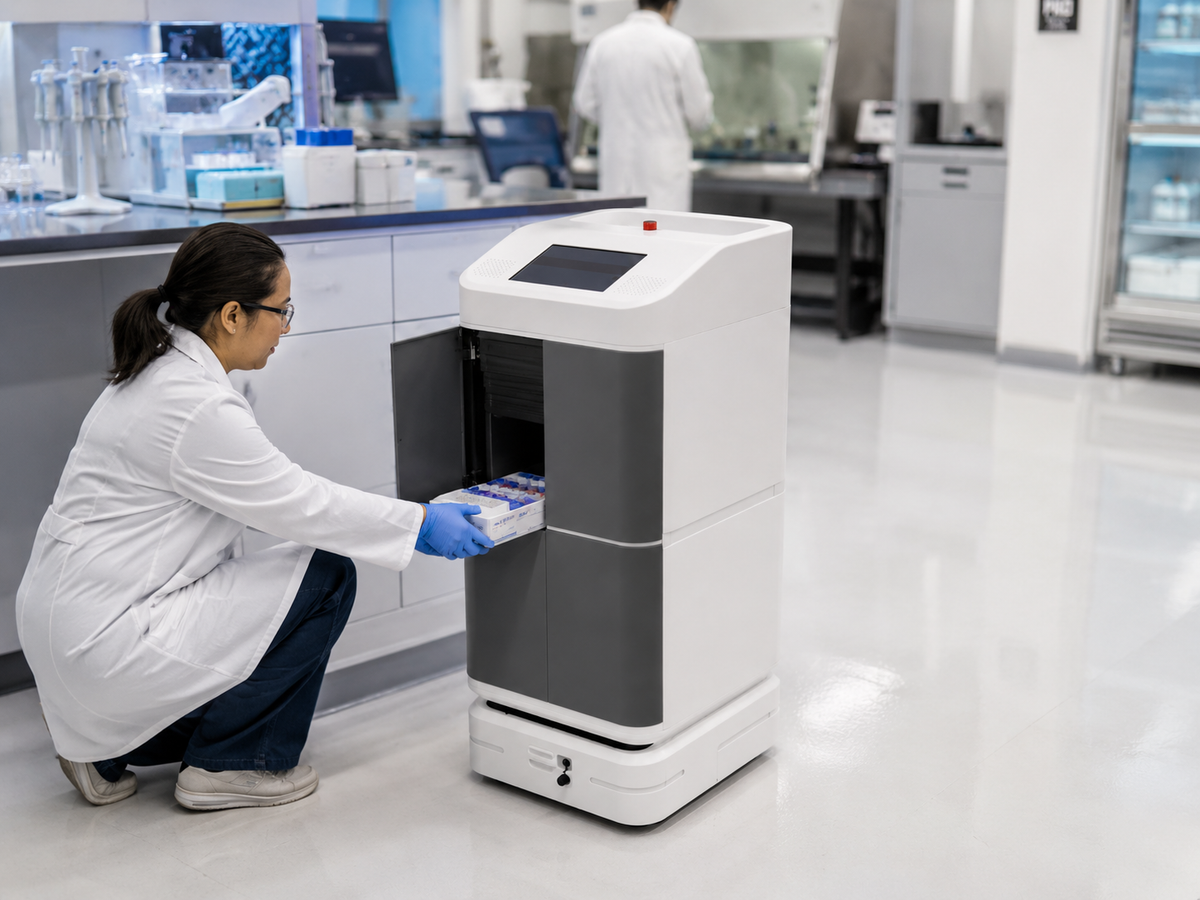
The emergency medical trolley, often called a crash cart, is perhaps the most critical. It is a pre-stocked, standardized medical device trolley designed for rapid-response scenarios like cardiac arrests. Its organization is non-negotiable—every drug, every piece of airway management equipment, is positioned for immediate retrieval, a testament to the fact that every second counts. Similarly, the procedure trolley medical unit is meticulously configured for specific tasks, ensuring that during a surgery or an invasive examination, the medical instrument trolley is flawlessly organized.
The Information & Medication Hubs
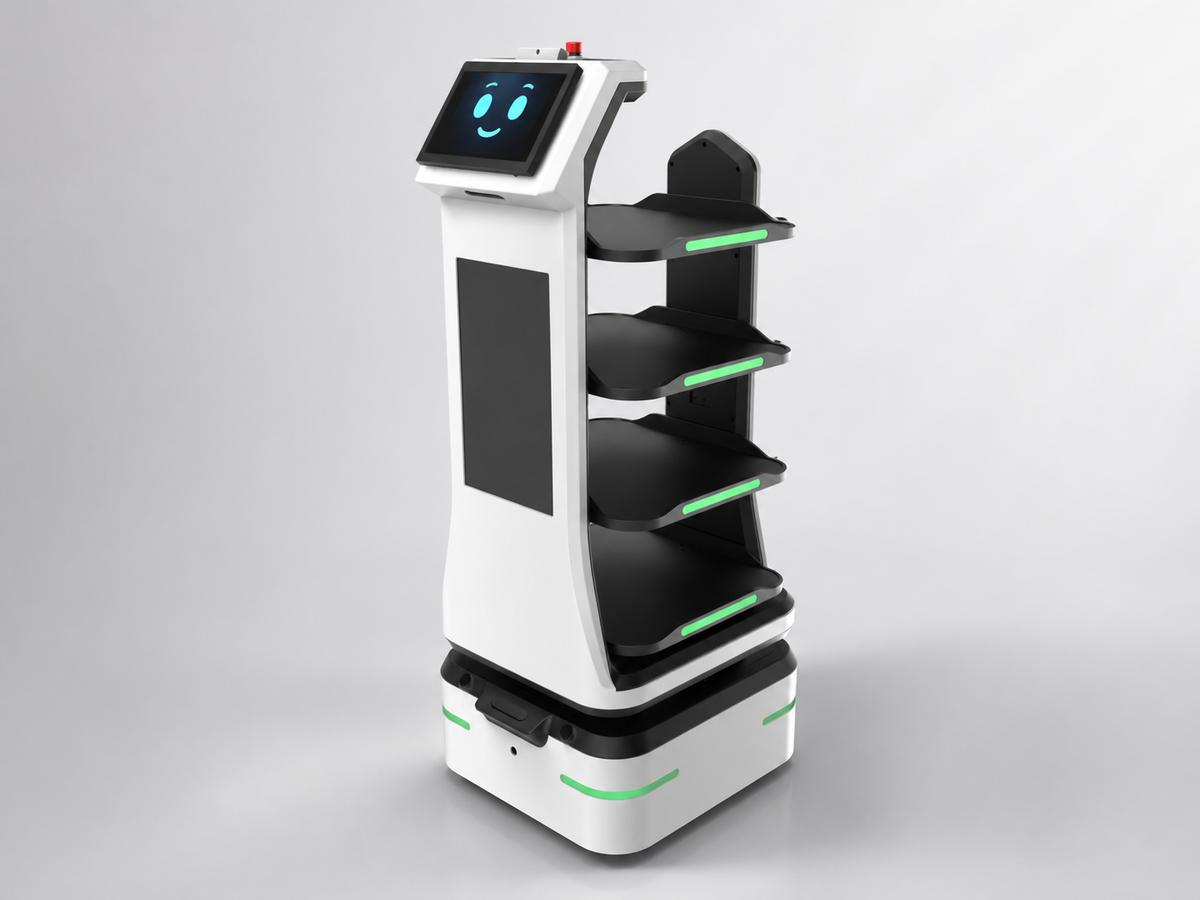
The digital evolution has created entirely new categories. The medical computer trolley and medical laptop trolley are now ubiquitous. These mobile medical trolley units bring the Electronic Health Record (EHR) directly to the patient's bedside. Equipped with power solutions and specialized peripherals (like the "aw printer shelf accessory for pc mobile cart medical trolley cart office hospital black" concept), they facilitate real-time data entry, medication reconciliation, and seamless communication, ensuring the accuracy of medical records trolley data.
Other specialized types include:
-
Medical Treatment Trolley: General-purpose units for routine patient care.
-
Dressing Trolleys: Designed specifically for wound care supplies.
-
Anesthesia Trolleys: Engineered for the secure storage and organization of anesthetic agents and supplies.

2. Engineered for Performance: Critical Features in Trolley Design
The quality of a medical grade trolley is defined by its core components, specifically its mobility, storage, and material integrity. A true expert understands that these features translate directly into patient outcomes and staff well-being.
Mobility and Maneuverability
The essential need for quick movement across a bustling hospital corridor places a heavy emphasis on medical trolley wheels. High-quality, non-marking, swivel directional casters ensure the medical trolley on wheels offers effortless maneuverability, even when fully loaded. Lockable brakes are a fundamental safety feature, ensuring the medical cart trolley remains securely fixed during critical procedures or when charting on the medical computer trolley. Investing in trolleys with superior medical trolley wheels is investing in the swiftness of your clinical response team.
Security and Organization: The Power of Drawers
A high-performing medical trolley with drawers is the foundation of secure and organized patient care. Lockable medical trolley drawers are vital for regulatory compliance and preventing unauthorized access to controlled substances and sensitive documents. Many units feature electronic keypads or badge-reader access systems, which offer a secure, auditable trail of access, especially crucial for a medical supplies trolley or medication cart.
The capacity for customization is equally important. Whether a facility requires a small medical trolley for a clinic or a multi-functional medical trolley, manufacturers offer solutions with adjustable compartments, color-coded bins, and modular drawer sizing. This capacity for medical trolley custom selling allows a facility to tailor its equipment precisely to the workflow of a ward, ensuring that every trolley for medical equipment perfectly supports its function.
3. The Material Science of Hygiene: Stainless Steel vs. ABS Storage
The material used to construct a trolley for medical use is directly linked to infection control—a top priority in any healthcare setting. The decision between metals and polymers is a strategic one, based on the environment and budget.

The Gold Standard: Stainless Steel Medical Trolley
For environments requiring the highest degree of sterility, the stainless steel medical trolley remains the preferred choice. These trolleys are highly resistant to corrosion, robust, and can withstand frequent cleaning with harsh hospital-grade disinfectants. The non-porous surface of stainless steel medical trolleys actively minimizes the potential for microbial proliferation, making them ideal for operating theatres and specialized procedure rooms. The longevity and durability of medical stainless steel trolleys often make them a sound long-term investment.
The Modern Alternative: ABS Storage Medical Record Trolley
An increasingly popular alternative is the high-grade polymer trolley, such as the abs storage medical record trolley. These options are lauded for being lightweight, which enhances the maneuverability of the portable medical trolley. They are also cost-effective and easy to maintain. Facilities seeking a low price abs storage medical record trolley often find them suitable for general ward use and transporting non-critical supplies. For transporting sensitive patient documents, the hospital medical record trolley customized in ABS can offer an efficient, wipe-clean solution.
4. The Future is Mobile: Integrating Technology at the Bedside
The evolution of the medical trolley cart is inseparable from the digital transformation of healthcare. The integration of mobile technology using medical trolleys has ushered in an era of point-of-care computing that dramatically improves patient experience and data integrity.
Modern, powered medical trolley solutions feature long-lasting, hot-swappable battery systems to ensure uninterrupted power for onboard computers and connected medical equipment. This means a clinician can complete a full shift without downtime, accessing EHRs, viewing diagnostic images, and updating the patient's record in real-time, right at the bedside.
This fusion of the physical medical equipment trolleys with digital technology represents a profound shift. The medical notes trolley of yesterday is now a medical computer trolley, offering capabilities far beyond storage—it provides immediate access to information, enabling faster, more informed decision-making. The demand for robust, high-quality carts is driving innovation among every medical trolley manufacturer, particularly in regions like India where domestic production is escalating.
Conclusion: A High-Value Investment in Clinical Excellence
The simple medical trolley is an unsung hero of the healthcare facility. It is a critical nexus of organization, mobility, and security. From the adrenaline-fueled moments requiring an emergency medical trolley to the daily, methodical rounds supported by a secure medical trolley with lockable drawers, these units embody the operational excellence of a health system.
For healthcare administrators considering a purchase, whether seeking good price medical trolley cart quotes for general units or a premium, specialized stainless steel medical trolley solution, the focus must be on long-term value. Investing in a high-quality, flexible, and well-designed mobile medical trolley is not a mere procurement expense; it is a strategic investment that reduces errors, improves staff workflow, and ultimately elevates the quality and responsiveness of patient care. The modern trolleys medical are paving the way for a more efficient, organized, and uplifting future in healthcare delivery.]
Frequently Asked Questions
Q1: What is the primary difference between an Emergency Medical Trolley and a Procedure Trolley?
A: The Emergency Medical Trolley (or crash cart) is a standardized, rapid-response unit pre-stocked for immediate, life-threatening scenarios like cardiac arrest. The Procedure Trolley medical is customized and stocked specifically for non-emergency tasks, such as wound care, dressings, or minor clinical procedures.
Q2: Why are high-quality medical trolley wheels so critical for hospital operations?
A: Quality medical trolley wheels (swivel casters) ensure effortless maneuverability and silent transport across busy hospital corridors, directly supporting the speed of clinical response. Integrated lockable brakes are also essential for securing the cart during critical tasks.
Q3: How have medical trolleys adapted to the digital age?
A: Many modern units are now Medical Computer Trolleys or Medical Laptop Trolleys. They are equipped with power systems and monitors to bring mobile technology, including the Electronic Health Record (EHR), directly to the patient’s bedside, enabling real-time documentation and informed care.
Q4: For security and compliance, what is the most important feature of a medical trolley?
A: Lockable medical trolley drawers are the most critical security feature. They ensure restricted, auditable access to controlled medications, sensitive supplies, and confidential medical records trolley contents, which is vital for patient safety and regulatory compliance.
Q5: Is a Stainless Steel Medical Trolley always the best choice for a facility?
A: Not always. Stainless steel medical trolleys are highly durable and best for sterile environments (like operating rooms) due to their resistance to harsh disinfectants. However, high-grade polymer options like ABS storage medical record trolley units are often a more lightweight and cost-effective solution for general ward use.