One Mobile Workstation, Endless Uses: Offices, Training Rooms, and Smart Classrooms

The way we work and learn in India is changing. With the rise of hybrid office models in cities like Bengaluru and Mumbai, and the push for digital education in schools, the demand for flexible furniture has never been higher. Fixed desks and heavy cabinets are being replaced by furniture that can move.

A mobile workstation is more than just a desk on wheels. It is a compact, self-contained unit designed to hold a computer, monitor, and accessories while being easy to move. Whether you are managing a small startup office or a large educational institution, understanding how to use these workstations can help you make the most of your available square footage.
1. Transforming the Modern Office
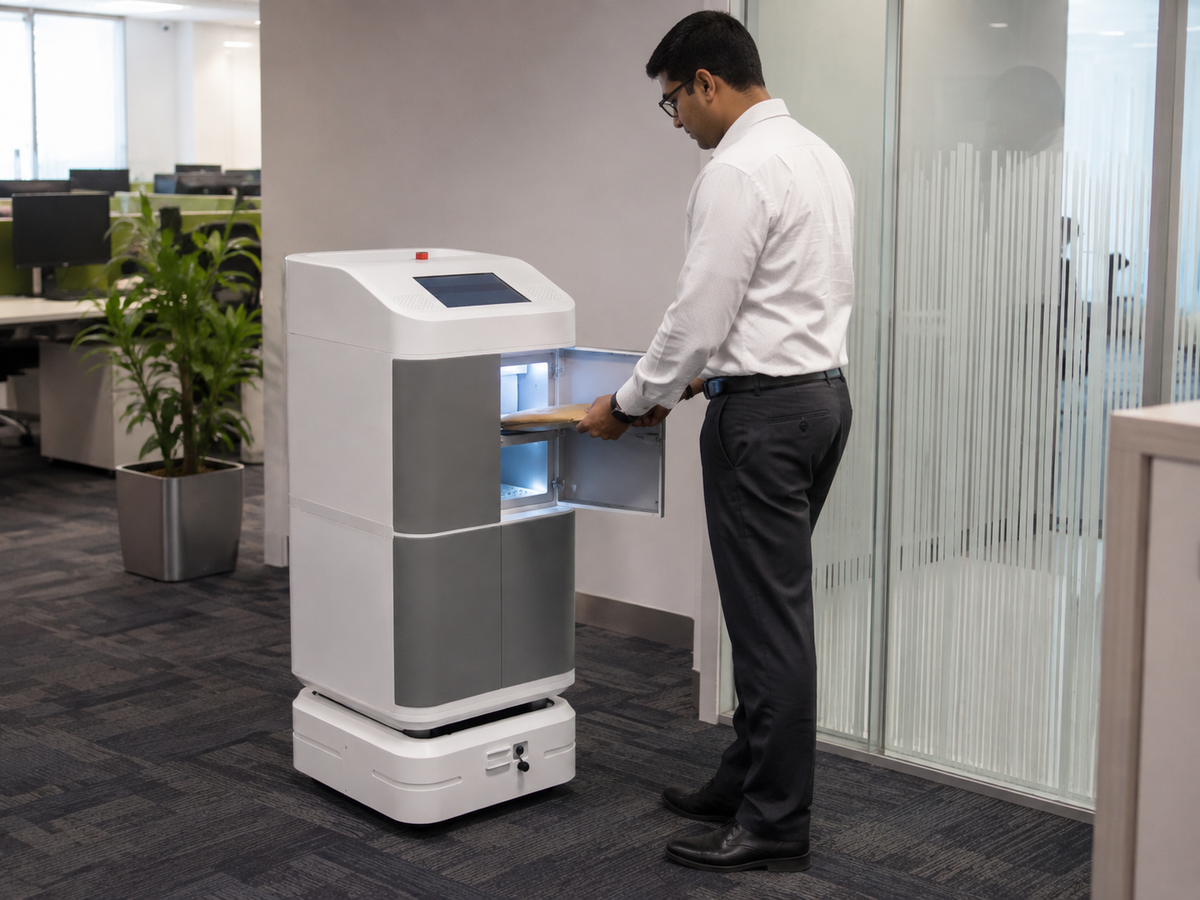
In many Indian corporate hubs, office space is expensive. Companies are moving away from assigned seating and toward "hot-desking" or agile work environments.
Encouraging Movement and Focus
A mobile workstation allows an employee to choose where they work based on the task at hand. If they need to collaborate with a team, they can wheel their station into a shared area. If they need quiet for deep work, they can move to a corner or a dedicated "quiet zone." This physical movement helps reduce the sedentary nature of office jobs and keeps employees engaged.
Supporting Hybrid Work Models
With many teams working from the office only a few days a week, having fixed furniture for every employee is no longer efficient. Mobile workstations can be moved into storage when not in use, or rearranged to create larger meeting areas on days when the whole team is present. This adaptability ensures that the office remains useful regardless of how many people are in the building.

2. Creating Dynamic Training Rooms
Training rooms often suffer from being "single-use" spaces. They sit empty for most of the month and then become overcrowded during a workshop. Mobile workstations solve this problem by allowing the room to change its layout in minutes.
Rapid Room Reconfiguration
In a traditional training setup, the instructor stands at the front and students sit in rows. However, modern training often requires small group discussions or hands-on technical practice. With mobile units, participants can quickly form clusters for group projects and then return to a standard row layout for a lecture.
Technical Integration
Professional training often involves laptops or specialized equipment. Mobile workstations provide a stable platform with built-in cable management. This prevents the "spiderweb" of wires often seen in temporary setups, making the environment safer and more organized.

3. The Shift to Smart Classrooms in India
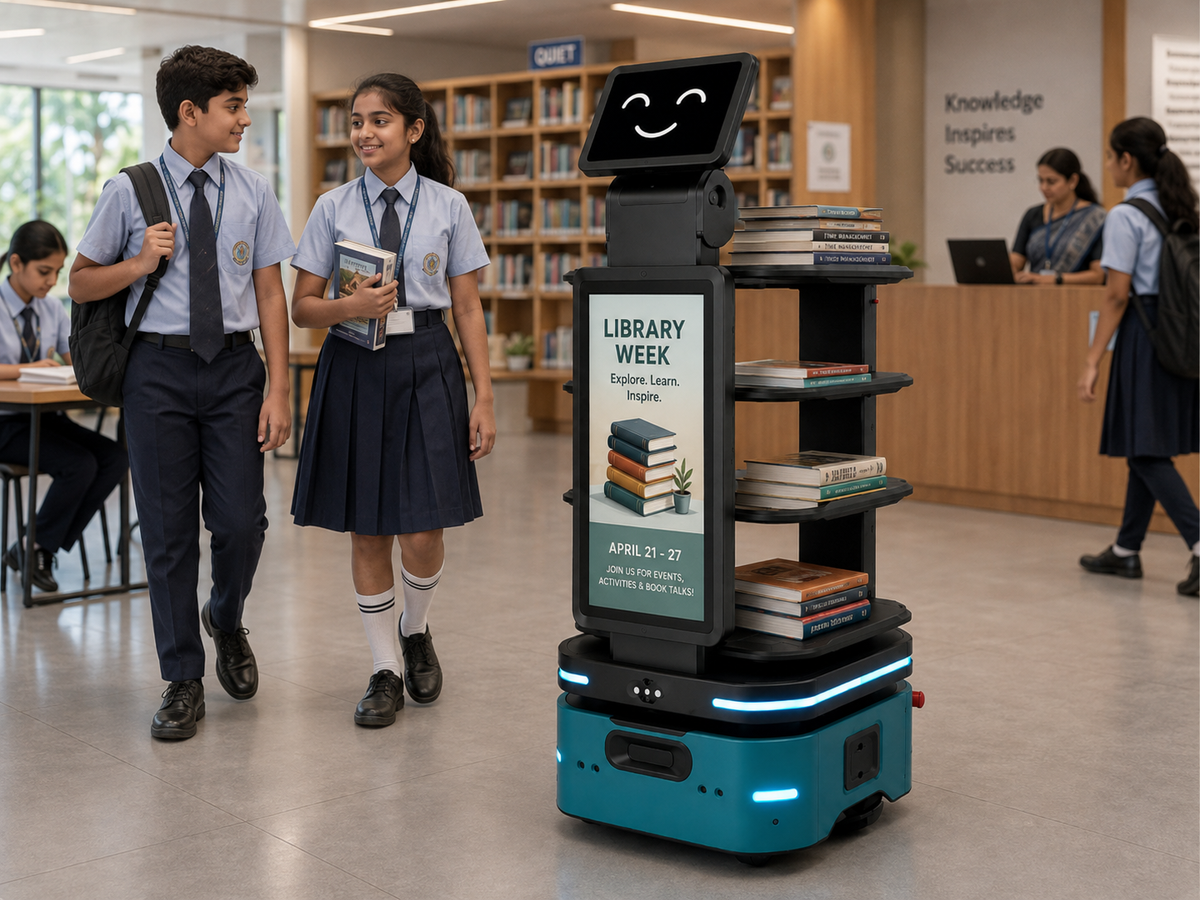
The Indian government’s recent focus on digital infrastructure has led to a surge in smart classrooms. These are classrooms equipped with computers, internet access, and interactive displays.
Maximizing Limited School Space
Many schools in India operate in buildings where every inch of space matters. A mobile workstation allows a standard classroom to become a computer lab instantly. When the computer-aided lesson is over, the stations can be pushed to the perimeter of the room, leaving the center clear for traditional teaching or physical activities.
Personalized Learning
Teachers can move their own mobile workstation around the room to assist individual students. Instead of the teacher being stuck at a podium, they can bring their screen and teaching materials directly to a student's desk to explain a concept. This creates a more interactive and supportive learning environment.
Key Benefits: Flexibility, Productivity, and Space Efficiency
When evaluating office or school furniture, three factors are essential for long-term success:
1. True Flexibility
Flexibility means being able to change your mind. If you decide that a room works better as a lounge than a conference room, mobile furniture allows you to test that theory without hiring a moving crew. For Indian businesses that are growing or pivoting, this ability to change without extra cost is a significant advantage.
2. Measurable Productivity
Productivity increases when people have the right tools in the right place. A mobile workstation ensures that an employee's computer, files, and ergonomic settings stay with them as they move. There is no time wasted "setting up" at a new desk; they simply roll their station to a new spot, plug in, and continue working.
3. Maximum Space Efficiency
Real estate is one of the highest costs for any organization in India. Using mobile furniture allows you to get more use out of fewer square feet. A single room can function as an office, a meeting space, and a training center simply by moving the furniture. This eliminates the need for dedicated rooms that remain empty for hours each day.
Features to Look for in a Mobile Workstation
Not all mobile desks are equal. To ensure durability and usefulness in a busy Indian environment, look for these specific features:
-
Heavy-Duty Casters: The wheels should be sturdy and have locking mechanisms to prevent the desk from moving while in use.
-
Height Adjustability: Different users have different heights. An adjustable desk allows for better ergonomics and can even be used as a standing desk.
-
Cable Management: Look for units with built-in channels or clips to keep power cords and data cables organized.
-
Compact Footprint: The base should be narrow enough to fit through standard Indian doorways and between rows of desks.
-
Durability: Materials like powder-coated steel and high-pressure laminate are best for long-term use in high-traffic areas.
Implementing Mobile Workstations in Your Facility
Transitioning to a mobile setup requires a small shift in how you think about your space. Start by identifying "dead zones" areas that are rarely used or furniture that is never moved.
Replace these with two or three mobile workstations to see how your team or students use them. Most organizations find that once the furniture can move, people naturally start using the space in more creative and efficient ways.

Frequently Asked Questions
Are mobile workstations stable enough for heavy equipment?
Yes. High-quality mobile workstations are designed with a low center of gravity and wide bases to support monitors, CPUs, and printers without wobbling.
Can they be used on carpeted floors?
Most units come with wheels designed for both hard floors and low-pile carpets. If your office or classroom has thick carpeting, look for workstations with larger, rubberized wheels.
Do mobile workstations help with social distancing?
Yes. Because they can be easily moved, you can quickly rearrange the layout of a room to increase the distance between people if health and safety requirements change.
Are they difficult to assemble?
Most professional-grade workstations are designed for quick assembly with basic tools. Some suppliers in India also offer on-site assembly services for larger orders.
Conclusion
The demand for "dynamic" spaces is not a passing trend; it is a response to the need for better efficiency and productivity. By investing in mobile workstations, Indian offices and educational institutions can ensure their facilities are ready for whatever the future holds. Whether you are teaching the next generation of engineers or building a tech startup, the ability to move your work to where it is needed most is a powerful tool for success.