Autonomous Mobile Robot for Hotel Amenities Delivery: Improving Efficiency in Modern Hospitality

Introduction
Hotels continuously handle a wide range of internal logistics, from delivering towels and bottled water to transporting housekeeping supplies between floors. These routine movements require time, coordination, and physical effort from staff members who must balance multiple responsibilities throughout the day. An autonomous mobile robot designed for indoor delivery offers a structured way to manage these tasks while maintaining consistent service standards.
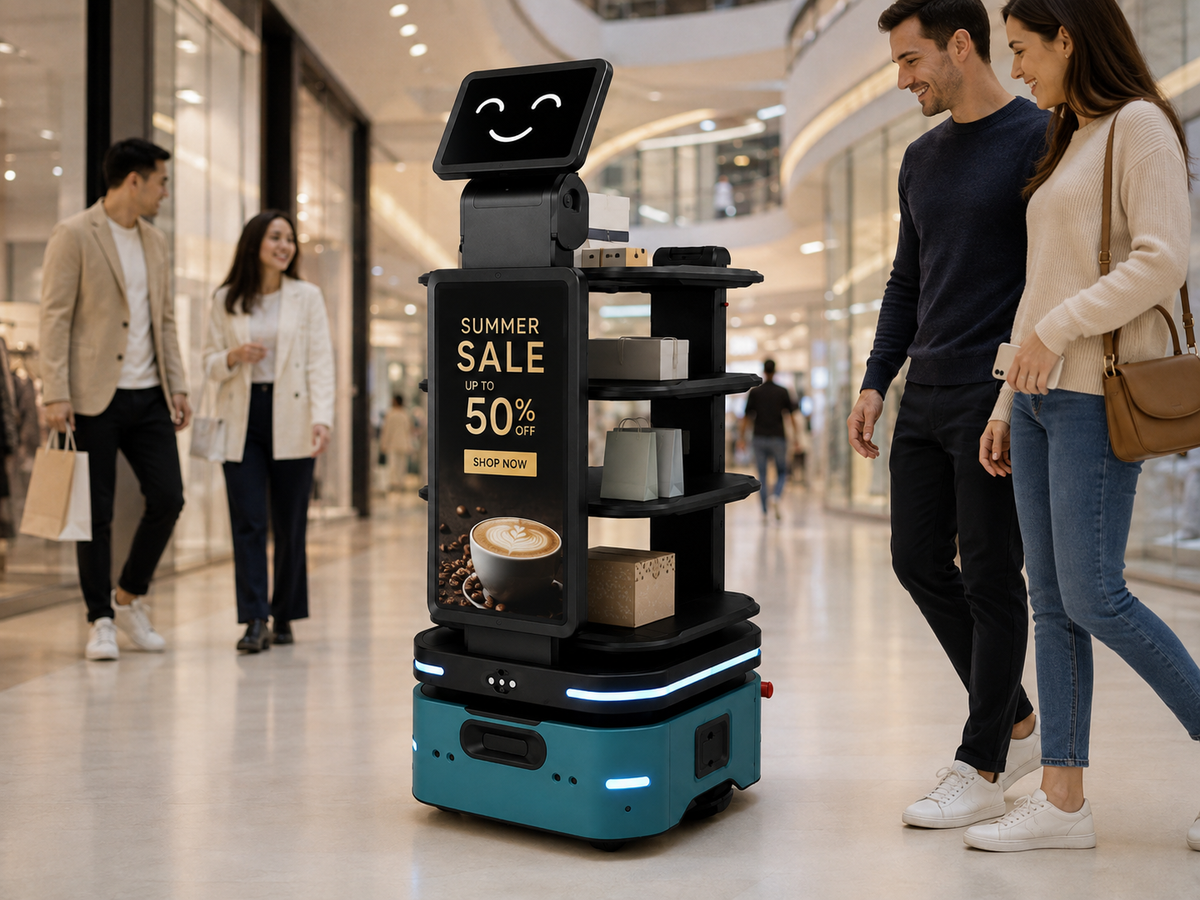
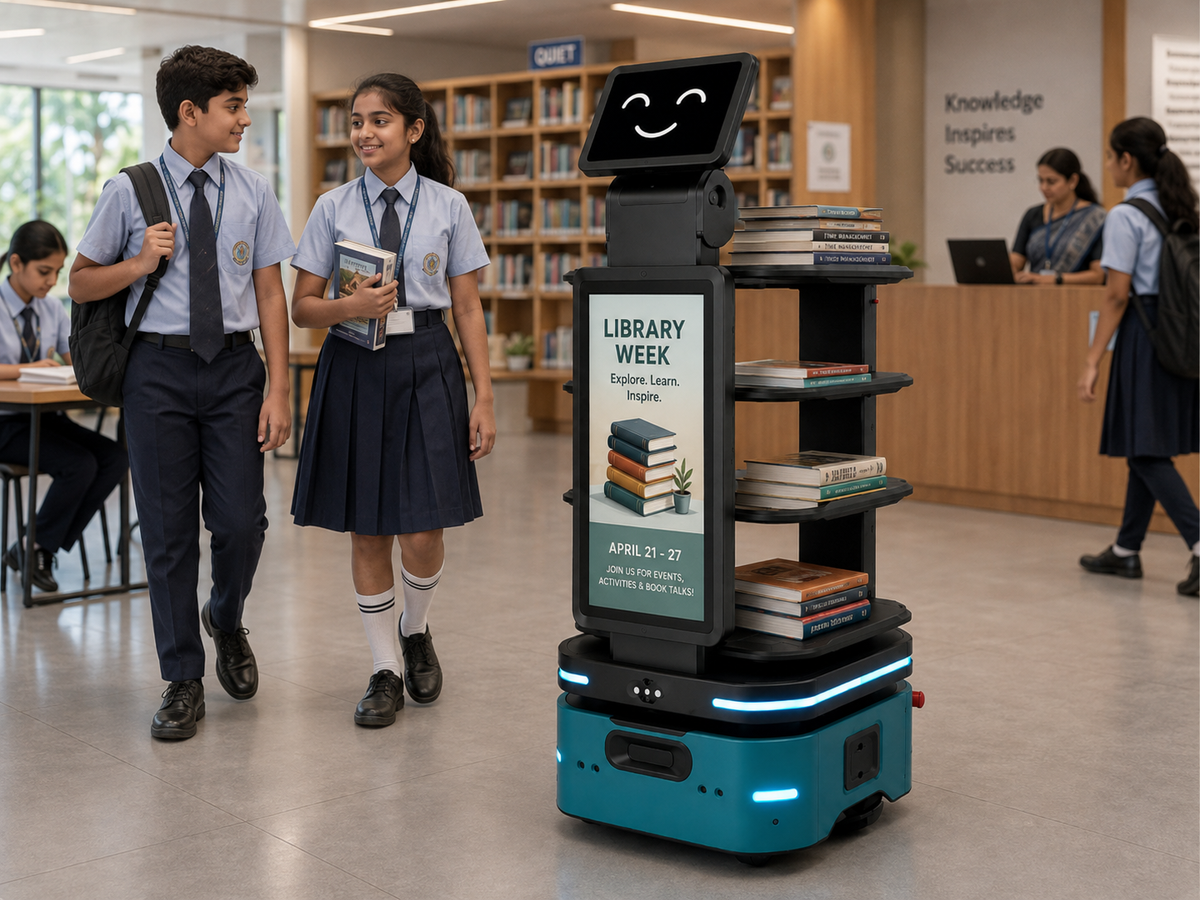
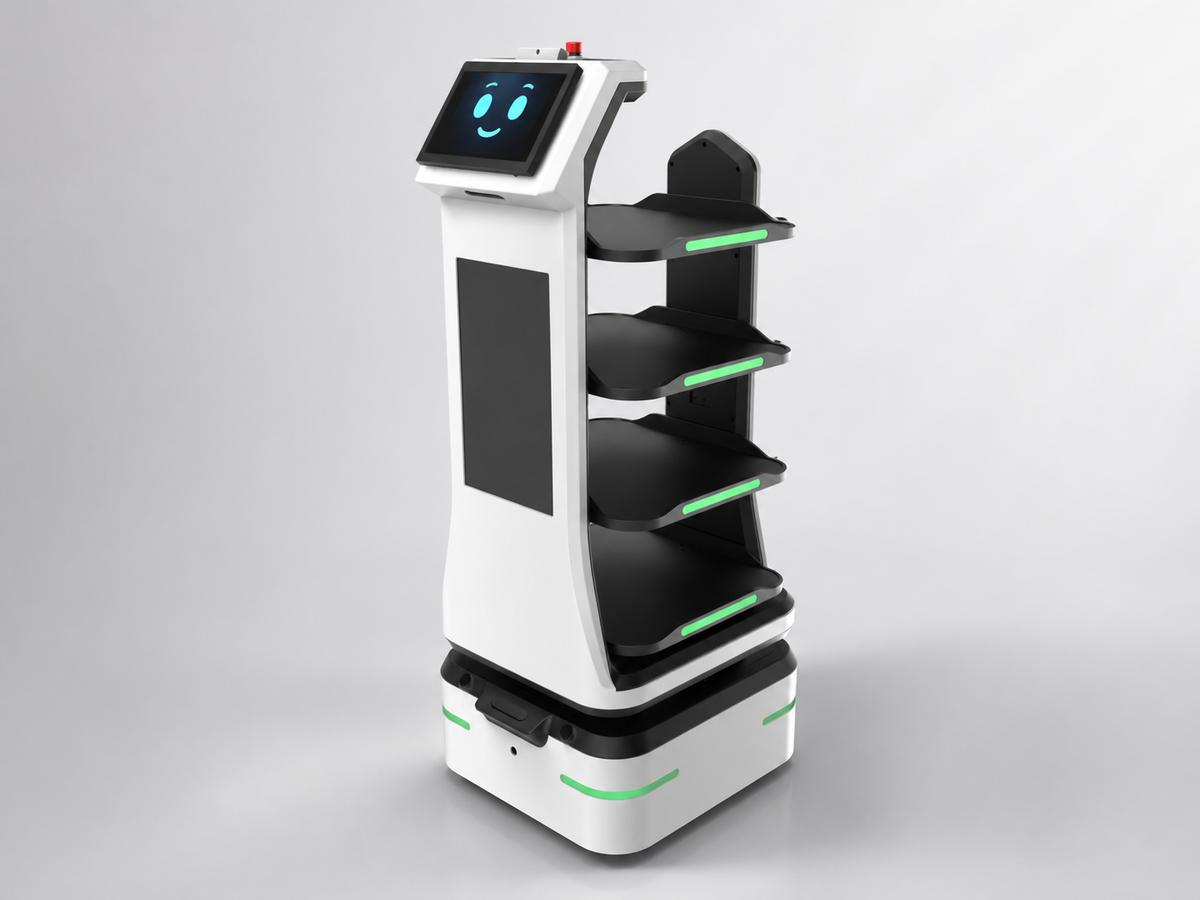
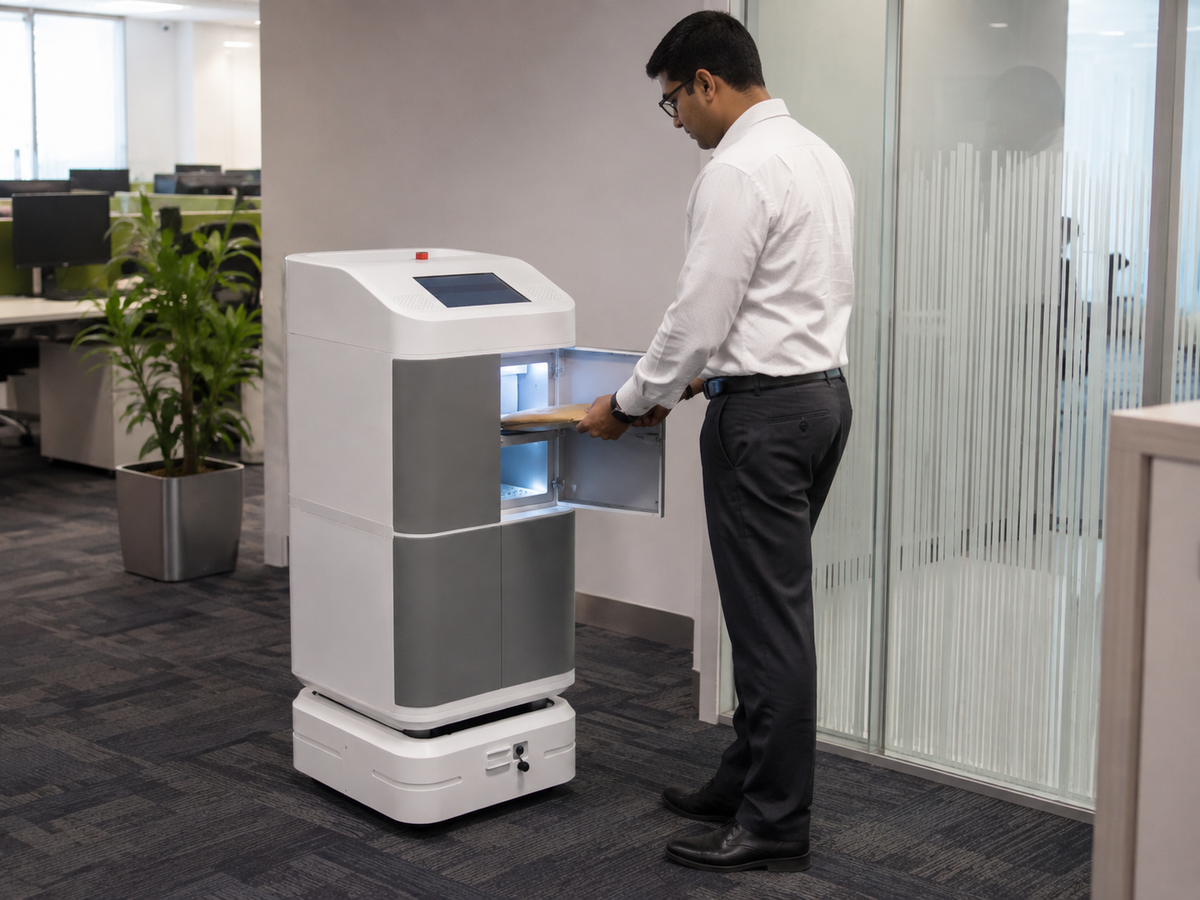
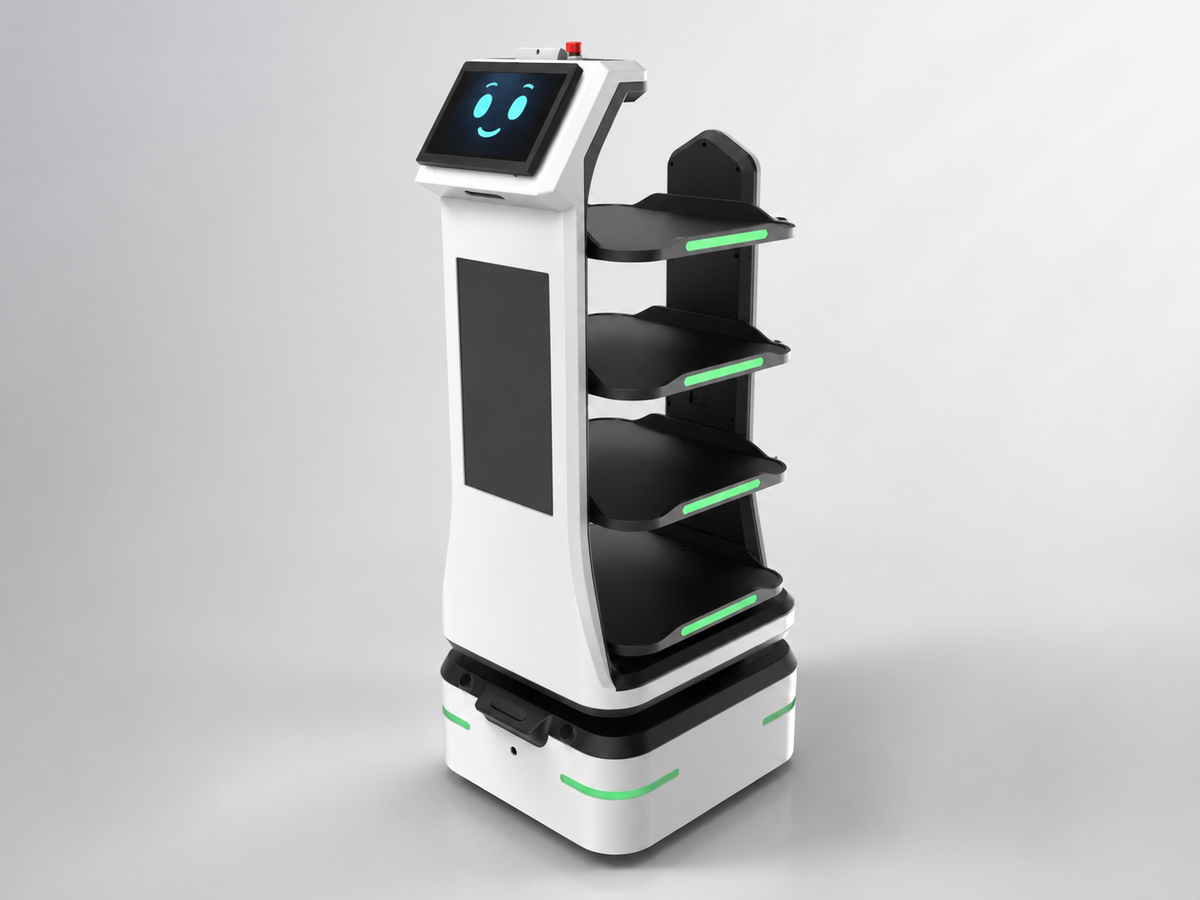
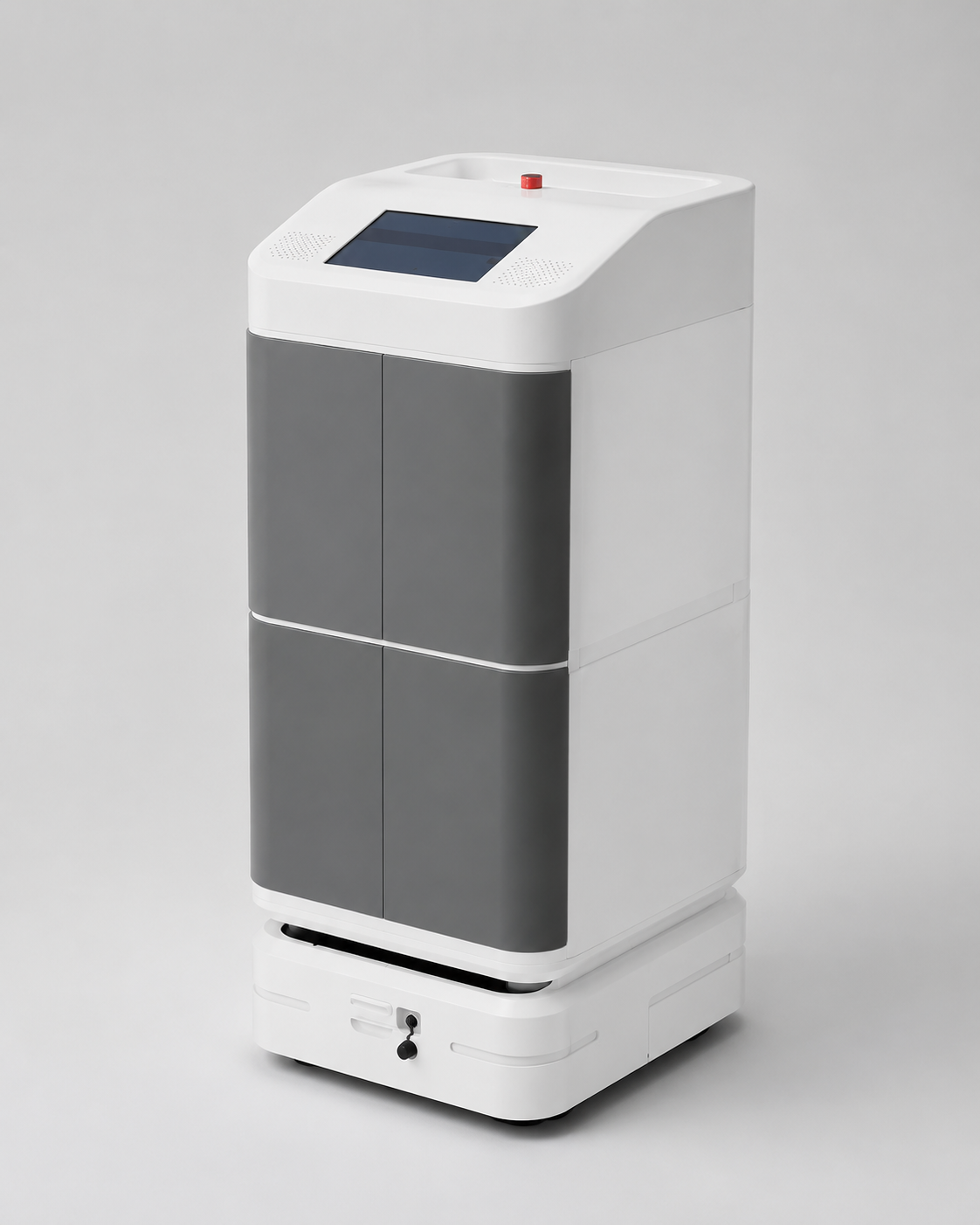
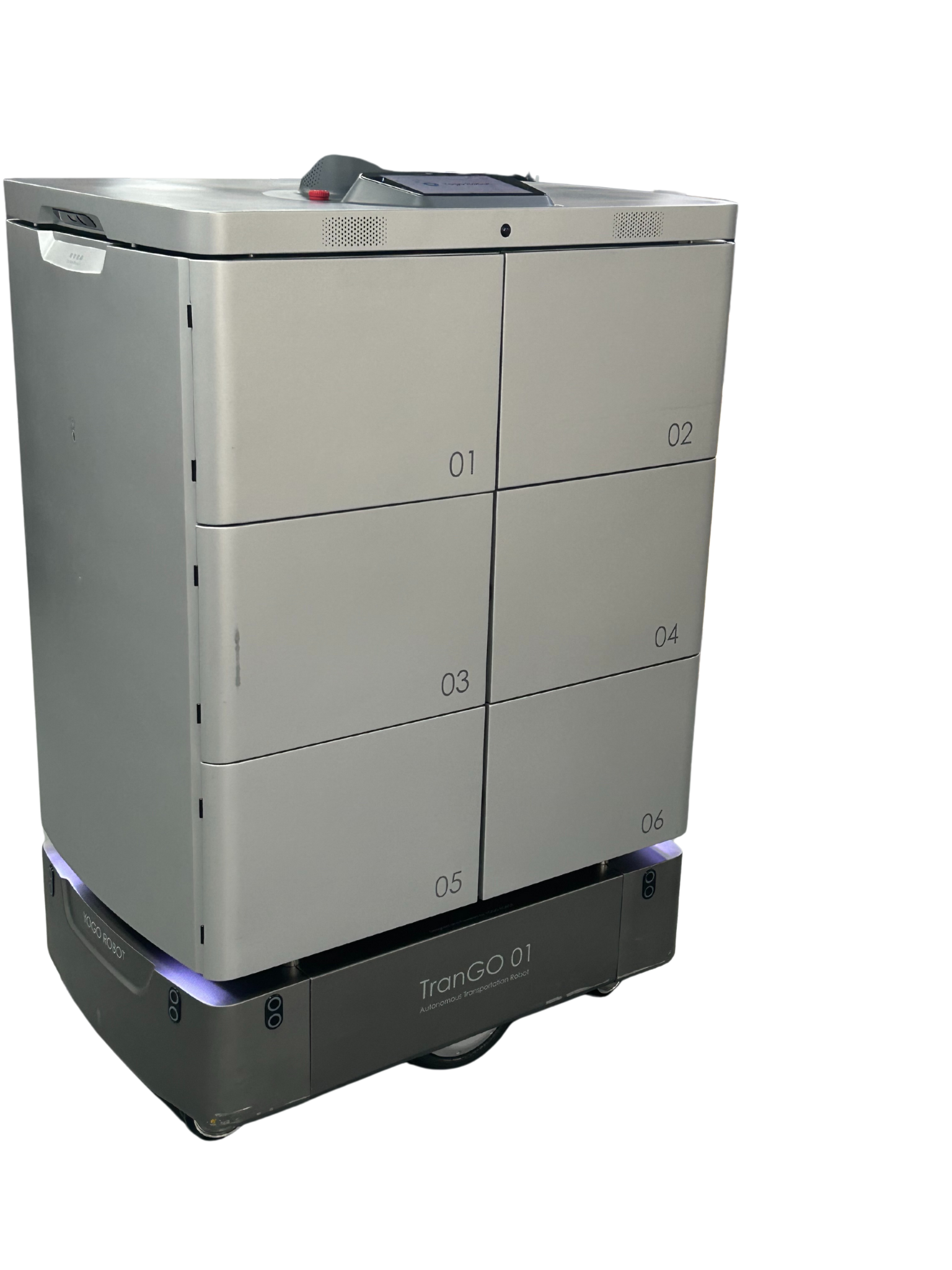
A robotic cart equipped with indoor navigation technology and load-carrying capability can move through corridors, avoid obstacles, and deliver items directly to designated locations. Its purpose is not to replace human service but to support operational flow by handling repetitive transport duties. With features such as real-time tracking, remote monitoring, and integrated safety systems, this type of robotic solution introduces a new approach to amenities delivery in hospitality environments.

The Role of Autonomous Delivery in Hotels
Guest expectations for timely service continue to grow, particularly in large hotels where distances between service areas and rooms can be significant. Traditional delivery methods often depend on staff availability, which may lead to delays during peak hours. An autonomous mobile robot provides a predictable delivery process by following predefined routes and instructions.
The robot uses sensor-based navigation to move through hallways and around furniture without constant human supervision. According to the technical description, the system combines LIDAR, computer vision, and SLAM navigation to maintain accurate positioning and avoid obstacles in indoor environments. This capability allows it to function reliably in spaces where guests and staff are constantly moving.
For hotel operations, this means amenities such as towels, toiletries, or packaged items can be transported between service rooms, elevators, and guest floors with minimal manual handling. The result is a more structured workflow where staff can focus on customer interaction rather than repetitive transport tasks.
Navigation and Safety Features
Safety is a key consideration in any hospitality environment. The robotic cart integrates multiple sensors, including ultrasonic detection, depth cameras, and an inertial measurement unit, to monitor its surroundings. These components help the robot identify obstacles and adjust its path while maintaining stable movement along corridors.
In addition to sensor-based navigation, the robot includes an emergency stop button, LED indicators, and audio alerts. These elements provide clear visual and audible communication to guests and staff, reducing confusion during movement. The inclusion of a follow-me feature allows the robot to track a designated user, which can be useful for housekeeping teams transporting supplies between rooms.
Such safety measures are important in hotels, where the environment is shared by people of different age groups and mobility levels. By combining autonomous movement with clear signaling systems, the robot maintains operational efficiency without compromising guest comfort.
Practical Use Cases in Amenities Delivery
Hotels manage a wide range of small deliveries throughout the day. These include room service items, extra bedding, housekeeping kits, and maintenance tools. A robotic delivery cart can support several of these workflows.
One example is scheduled delivery from storage areas to housekeeping stations on different floors. The robot’s load capacity of approximately 100 kilograms allows it to carry multiple items in a single trip, reducing the number of manual transfers required. Its bi-directional wheels enable smooth turning in narrow hallways, which is essential for navigating typical hotel layouts.
Another use case involves on-demand guest requests. When a guest asks for additional amenities, staff can load the robot and send it to the required location using a remote interface. The admin mobile app described in the technical overview allows operators to monitor status and assign tasks without being physically present.
This approach creates a consistent delivery pattern, especially in large properties where distances between service areas and guest rooms can be significant.

Integration with Hotel Infrastructure
A major advantage of autonomous mobile robots is their ability to integrate with existing digital systems. The cart includes cloud synchronization and API support, enabling communication with external platforms such as lift control systems. In multi-floor hotels, this integration can streamline vertical movement, allowing the robot to operate across different levels without constant human intervention.
Connectivity through Wi-Fi or IoT-based communication ensures that operational data remains accessible. Hotel managers can track usage patterns, monitor battery status, and analyze delivery frequency. This information helps identify areas where automation can reduce delays or improve resource allocation.
With an operating temperature range from –10°C to +50°C and an eight-hour battery runtime, the robot is designed to function throughout standard hotel shifts. Auto-docking charging capabilities further support continuous use by allowing the robot to recharge between assignments.
Operational Efficiency and Staff Support
The introduction of autonomous delivery does not eliminate the need for staff involvement. Instead, it changes how time is distributed during a shift. By delegating repetitive transport duties to a robotic cart, housekeeping and service teams can focus on tasks that require human judgment and interaction.
From a logistical perspective, predictable delivery routes reduce interruptions in workflow. Staff no longer need to walk long distances for routine supply transfers, which can lower fatigue during busy periods. The robot’s top speed of approximately one meter per second balances movement efficiency with safety, ensuring that it travels at a pace suitable for indoor environments.
This balance between automation and human service supports a more organized approach to hotel operations. Rather than replacing existing roles, the robotic system acts as an additional resource that enhances daily processes.

Conclusion
Autonomous mobile robots represent a practical development in the way hotels manage internal deliveries. By combining sensor-based navigation, remote monitoring, and integration with building systems, these robotic carts offer a structured method for transporting amenities across large properties. Their ability to handle routine logistics allows hotel staff to focus on guest experience while maintaining consistent delivery standards.
As hospitality environments continue to evolve, the adoption of robotic delivery solutions provides a clear example of how technology can support operational efficiency without altering the human-centered nature of hotel service. Through careful implementation and thoughtful integration, autonomous mobile robots can become a reliable part of modern amenities management, helping hotels deliver essential items in a more organized and predictable way.
Frequently Asked Questions
1. How does an autonomous mobile robot improve hotel amenities delivery?
An autonomous mobile robot helps transport items such as towels, toiletries, and housekeeping supplies across hotel floors using indoor navigation technologies like LIDAR and computer vision. This reduces manual trips for staff and creates a more structured delivery process.
2. Is an autonomous delivery robot safe to use around hotel guests?
Yes. The robot uses multiple sensors, emergency stop controls, LED indicators, and audio alerts to detect obstacles and communicate its movement clearly, making it suitable for shared indoor environments like hotel corridors.
3. Can the robot integrate with hotel infrastructure such as elevators?
The system supports cloud synchronization and API integration, allowing connection with external platforms including lift control systems. This enables automated movement between floors in large hospitality properties.
4. What is the load capacity and operating time of the delivery robot?
The robotic cart is designed to carry up to approximately 100 kg and can operate for around eight hours on a single charge, supporting daily hotel operations and scheduled delivery tasks.
5. How do hotel staff monitor or control the autonomous robot?
Staff can assign tasks and monitor status remotely through an admin mobile application connected via Wi-Fi or IoT communication, allowing efficient management without constant physical supervision.