The Rise of Autonomous Mobile Carts in Industrial Settings

In recent years, advancements in automation have brought a new class of robotics into everyday industrial operations. Among the most notable developments are autonomous mobile carts—intelligent transport platforms designed to move items within facilities without human intervention. Originally adopted in logistics and manufacturing, these systems are now gaining broader recognition for their potential to enhance operational flow, improve worker safety, and reduce routine manual labor.
This blog explores two distinct autonomous mobile cart solutions, examining how they function, what problems they address, and how industry observers view their adoption. It also looks at what recognition such technology has received in broader industrial contexts.

What Is an Autonomous Mobile Cart?
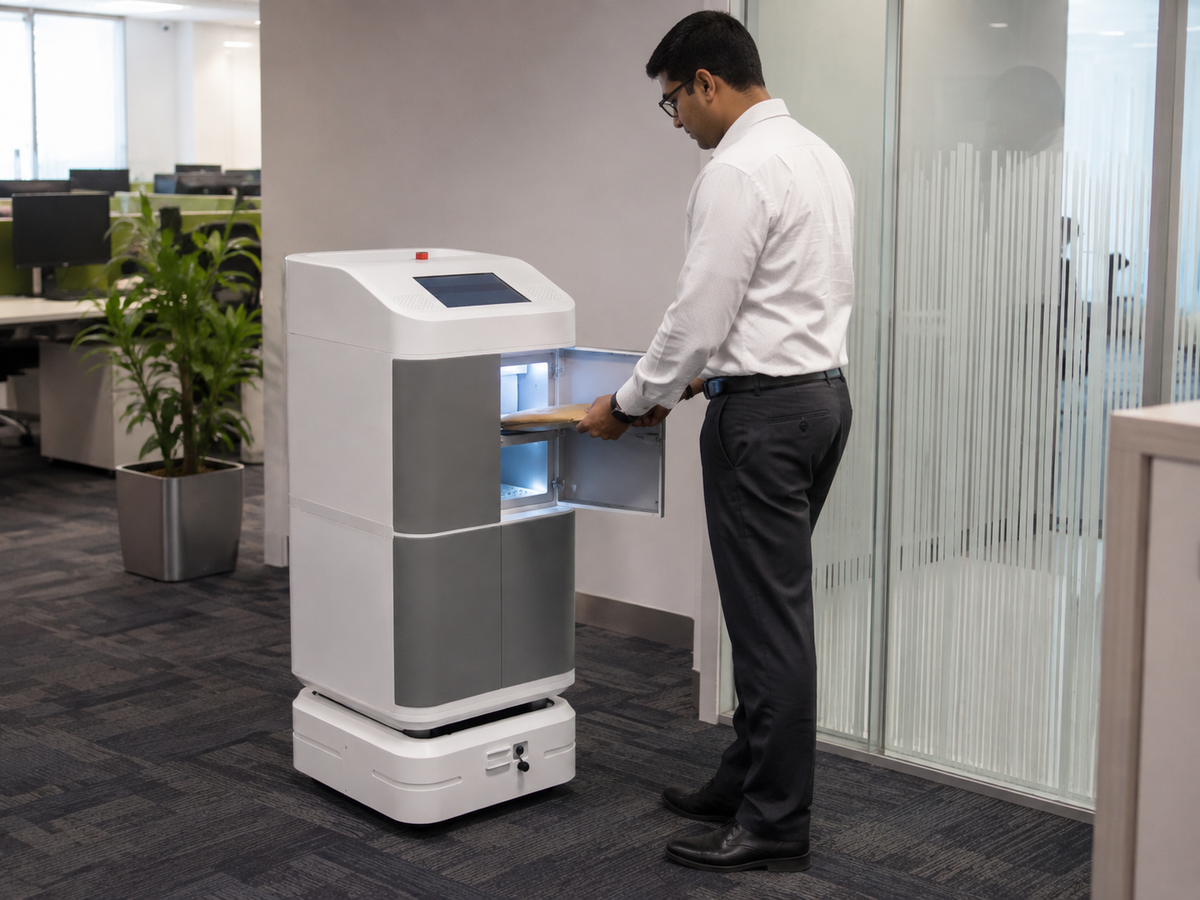
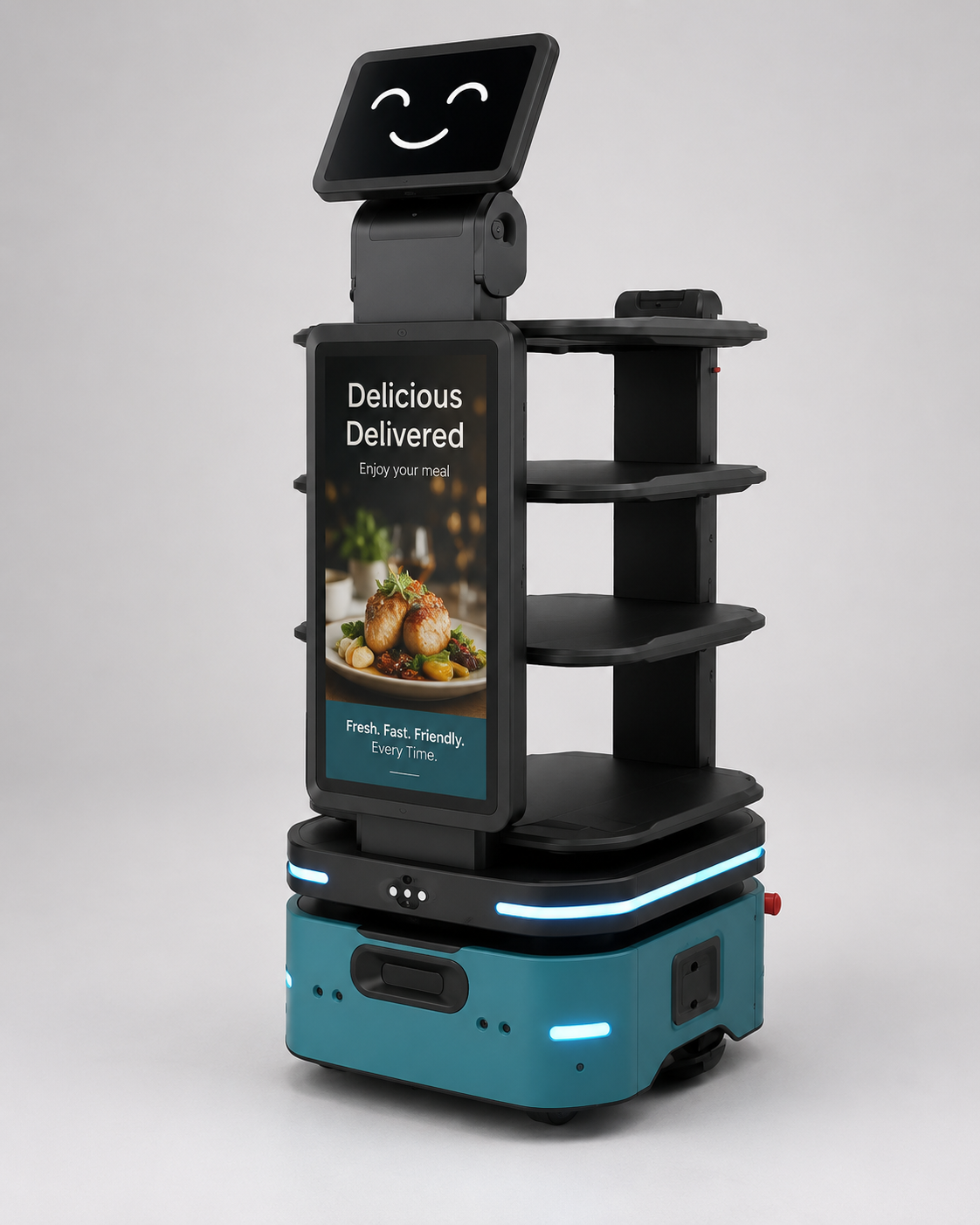
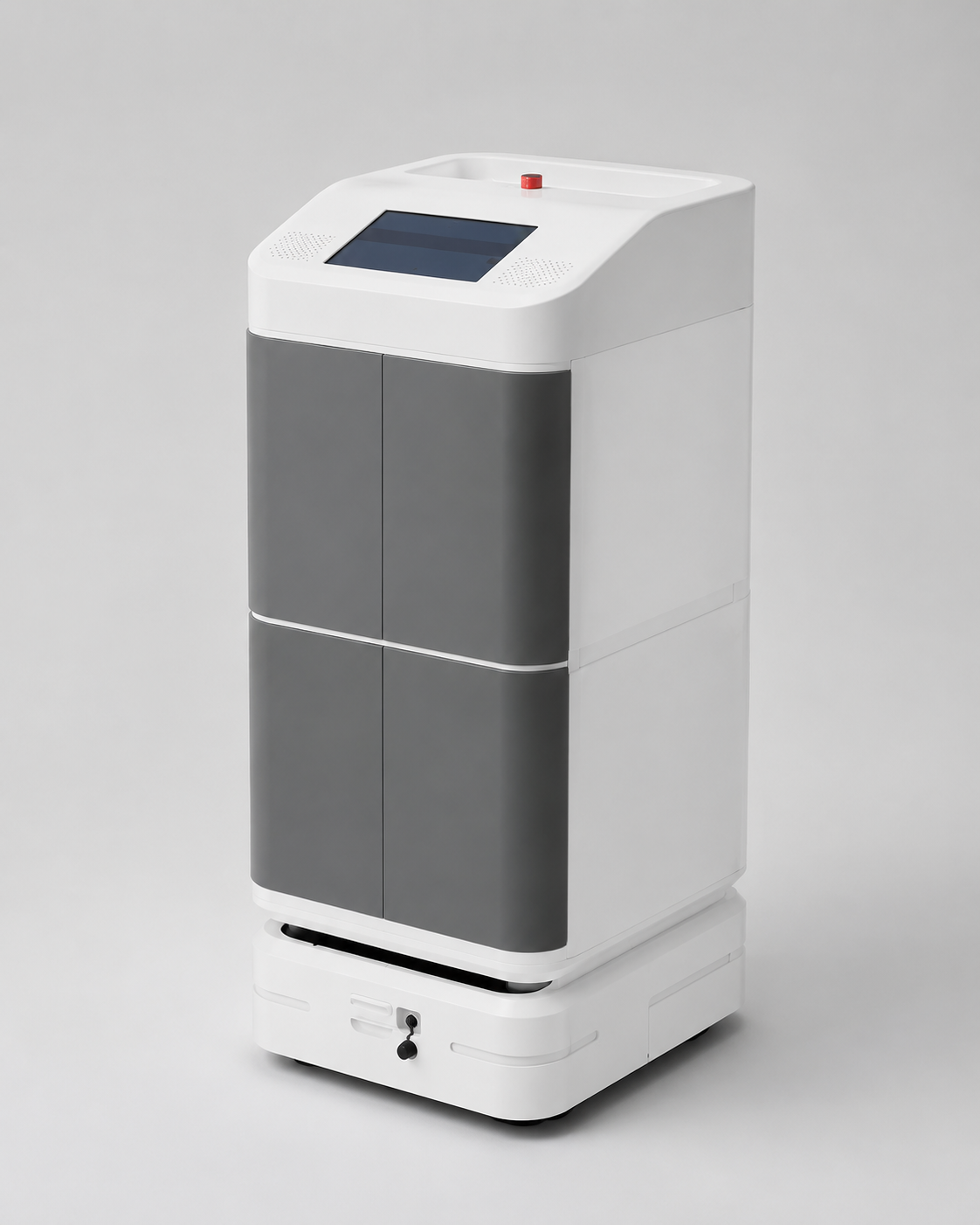
An autonomous mobile cart is a self-navigating robotic platform that can transport goods, materials, and equipment across a facility. Unlike traditional industrial trolleys or conveyors, these systems move independently, guided by onboard sensors, cameras, or artificial intelligence (AI)–based navigation systems. They typically require minimal infrastructure changes and can be integrated into existing workflows without extensive retrofitting.
Key characteristics include:
-
Automated Navigation: Using a combination of sensors and mapping systems, autonomous mobile carts navigate through environments while avoiding obstacles.
-
Payload Capability: These machines are engineered to carry significant loads, often ranging from standard workpieces to heavier materials.
-
Task Flexibility: They can be programmed for routine delivery tasks, replenishment runs, or supply transfers, often replacing repetitive human efforts.
This technology is relevant in many sectors, including warehouse logistics, manufacturing facilities, and research labs. For organizations looking to modernize internal logistics, autonomous mobile carts offer an alternative to manual transport and fixed automation lanes.

Core Features of Modern Autonomous Mobile Carts
While specific implementations differ, most modern autonomous mobile carts share several common technical and functional features:
1. Navigation and Sensor Systems
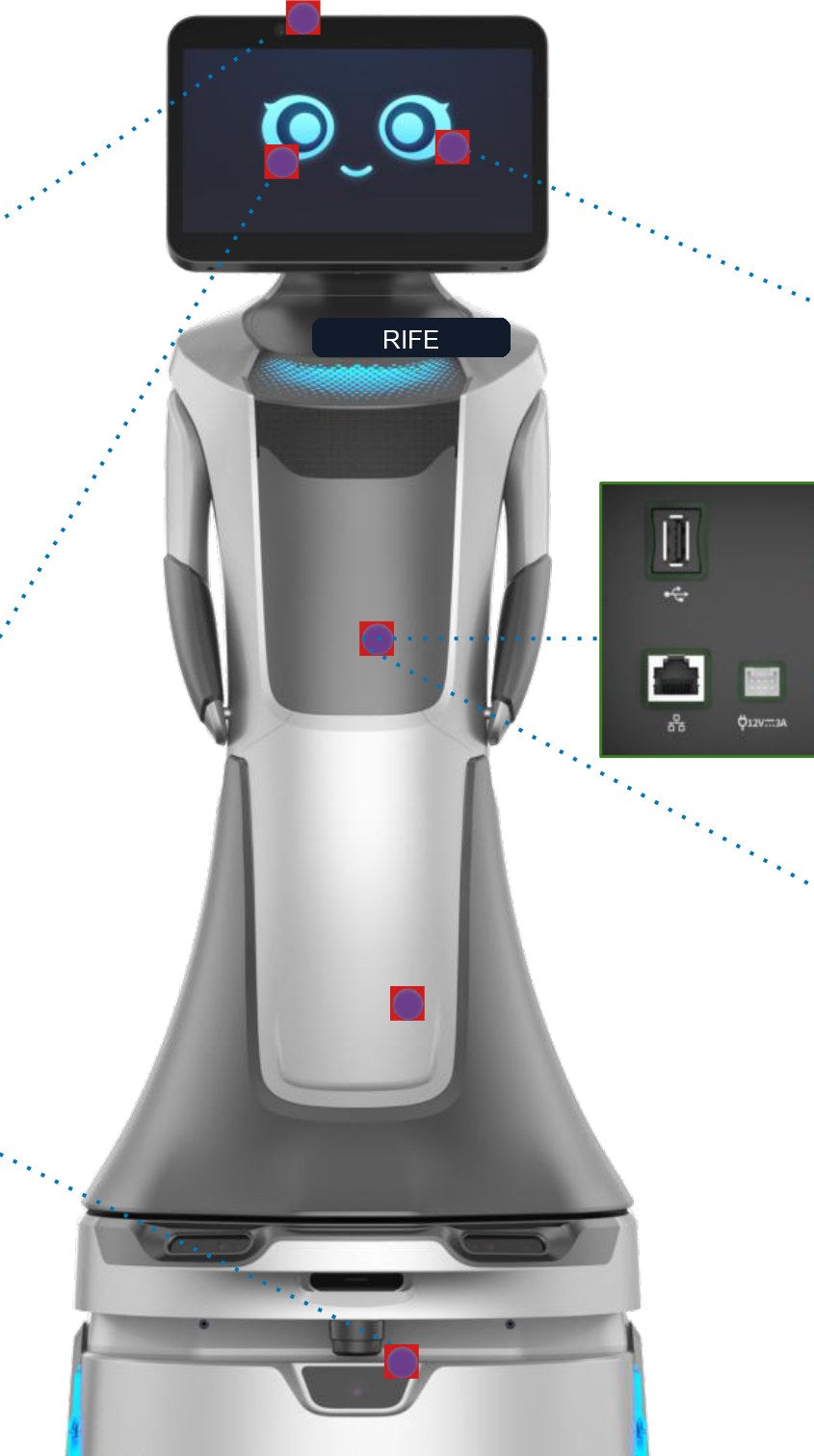
The ability to travel without collisions or manual guidance is central to autonomous mobile carts. To achieve this, many systems use a combination of:
-
LiDAR (Light Detection and Ranging): Provides detailed environment scans for real-time mapping.
-
Vision Cameras: Help perceive obstacles, determine routes, and support location awareness.
-
Time-of-Flight Sensors: For enhanced accuracy in detecting nearby objects and calculating distances.
These sensors allow the carts to create maps of the facility, track their position, and safely navigate from one location to another. Onboard software interprets sensor data to avoid obstacles and respond to dynamic changes in the environment.

2. User Interaction and Deployment
Ease of use is another important aspect of autonomous mobile carts. For many systems, operators set destinations or task lists using simple interfaces. Some require only a single command to send the cart on a predetermined route, meaning that minimal technical knowledge is needed to begin operation. This lowers barriers to adoption in facilities where robotics expertise may be limited.
Deployment times vary, but many contemporary autonomous mobile carts are designed for quick setup—allowing them to be operational within a short period without extensive site-wide changes or IT infrastructure modifications.
3. Operational Capacity
Autonomous mobile carts are engineered to support practical payloads, often in the range of several hundred pounds. This capability enables them to move tools, parts, supplies, or materials within a warehouse or plant, reducing the amount of manual transport work assigned to employees.
In the context of heightened workplace health awareness, especially after the COVID-19 pandemic, autonomous mobile carts also serve to limit close contact between workers by taking on routine intra-facility deliveries.
4. Software and Integration
Many systems include supporting software that enables route planning, task scheduling, and fleet coordination. Some advanced solutions allow real-time tracking of performance metrics, environmental readings, or maintenance alerts. Integration with existing warehouse management or production systems can further streamline operations and allow for smarter resource allocation.

Case Study: Award Recognition for an Autonomous Mobile Cart
In a notable industry event, an autonomous mobile cart solution received a regional award recognizing innovation in manufactured products based on its performance and practical value. The award spotlighted the autonomous mobile cart for its ability to move parts, tools, and supplies throughout warehouse environments with minimal setup and ease of use.
The judges highlighted how this system could transport substantial weight while alleviating the need for workers to perform repetitive transport tasks. Award criteria emphasized efficiency, immediate operational impact, and accessibility across a variety of industrial environments.
This recognition demonstrates growing interest in autonomous mobile cart solutions as legitimate contributors to facility productivity. It also reflects industry acknowledgment that automation no longer requires highly specialized, expensive systems to deliver measurable value.
Example: Versatile Applications Within Facilities
Autonomous mobile carts can function in many scenarios that would traditionally involve human labor:
1. Intra-Facility Material Delivery
One of the most common use cases is routine delivery of materials from storage to production areas. Rather than having workers walk back and forth carrying tools or parts, autonomous mobile carts can move these items on schedule or on demand.
2. Replenishment and Stock Movement
In warehouses or distribution centers, maintaining stock levels at workstations or packing stations is time-consuming. Autonomous mobile carts can automatically bring additional materials as needed, improving flow and preventing downtime.
3. Lightweight Logistics
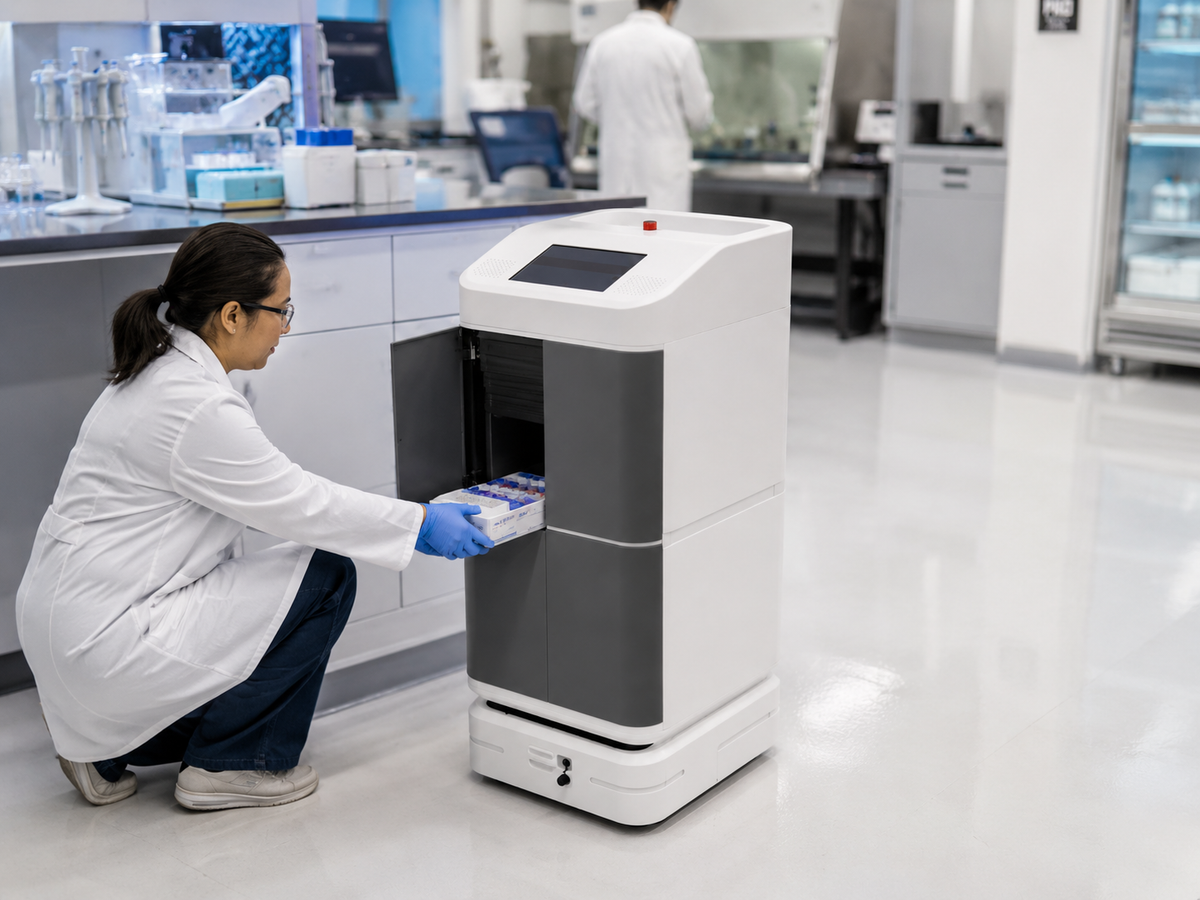
Beyond moving materials, some autonomous mobile carts are equipped to handle environmental monitoring tasks, such as gathering real-time sensor data or ensuring secure transport of sensitive items in laboratory or clean room settings.

Industry Trends and Market Outlook
Data from broader market analyses indicates that the autonomous mobile robot (AMR) category, which includes autonomous mobile carts, is projected to grow substantially in the next decade. Increased demand for internal automation in logistics, manufacturing, healthcare, and similar industries is expected to drive significant adoption. This trend is supported by improvements in sensor technology, AI-based navigation, and software integration capabilities.
Today’s autonomous mobile carts differ significantly from earlier automated guided vehicles (AGVs): they are typically more flexible, easier to deploy, and capable of operating in dynamic environments without the need for preinstalled infrastructure.
Final Thoughts: Practical Value Over Hype
Autonomous mobile carts represent a shift in how facilities approach internal logistics. Rather than relying solely on manual labor or fixed automation systems, businesses are increasingly exploring robotic platforms that combine autonomy, adaptability, and ease of use.
Key benefits include:
-
Reduced manual labor for repetitive transport tasks.
-
Faster delivery of materials across busy facilities.
-
Improved worker safety through reduced strain and contact.
-
Scalable automation that can grow with facility needs.
As recognition and adoption of autonomous mobile cart technology continue to rise, these systems are poised to become a standard part of modern industrial operations. Whether used in warehouses, manufacturing plants, or research environments, autonomous mobile carts offer a practical means to bridge the gap between traditional workflows and emerging automation capabilities.
Q1. What is an autonomous mobile cart used for in industrial facilities?
An autonomous mobile cart is used to transport materials, tools, and supplies within facilities such as warehouses, factories, and laboratories, reducing manual handling and improving internal logistics efficiency.
Q2. How does an autonomous mobile cart navigate without human control?
Autonomous mobile carts use sensors such as LiDAR, cameras, and mapping software to detect obstacles, understand their surroundings, and move safely through dynamic environments without fixed paths.
Q3. What industries benefit most from autonomous mobile carts?
Industries including manufacturing, warehousing, logistics, healthcare, and research facilities benefit by automating routine transport tasks and improving workflow consistency.
Q4. Are autonomous mobile carts difficult to install or operate?
Most autonomous mobile carts are designed for quick deployment and simple operation, requiring minimal infrastructure changes and limited technical training for daily use.
Q5. How do autonomous mobile carts improve workplace safety?
They reduce repetitive manual transport, lower physical strain on workers, and minimize congestion by handling routine movement tasks, contributing to safer and more organized work environments.