Charging Lockers vs Charging Cabinets vs Charging Trolleys — What's the Difference?
If you've been researching device charging solutions for your school, office or hospital, you've probably come across three terms used almost interchangeably: charging lockers, charging cabinets and charging trolleys. They're related — but they're not the same thing. Here's a clear breakdown.
Charging Lockers
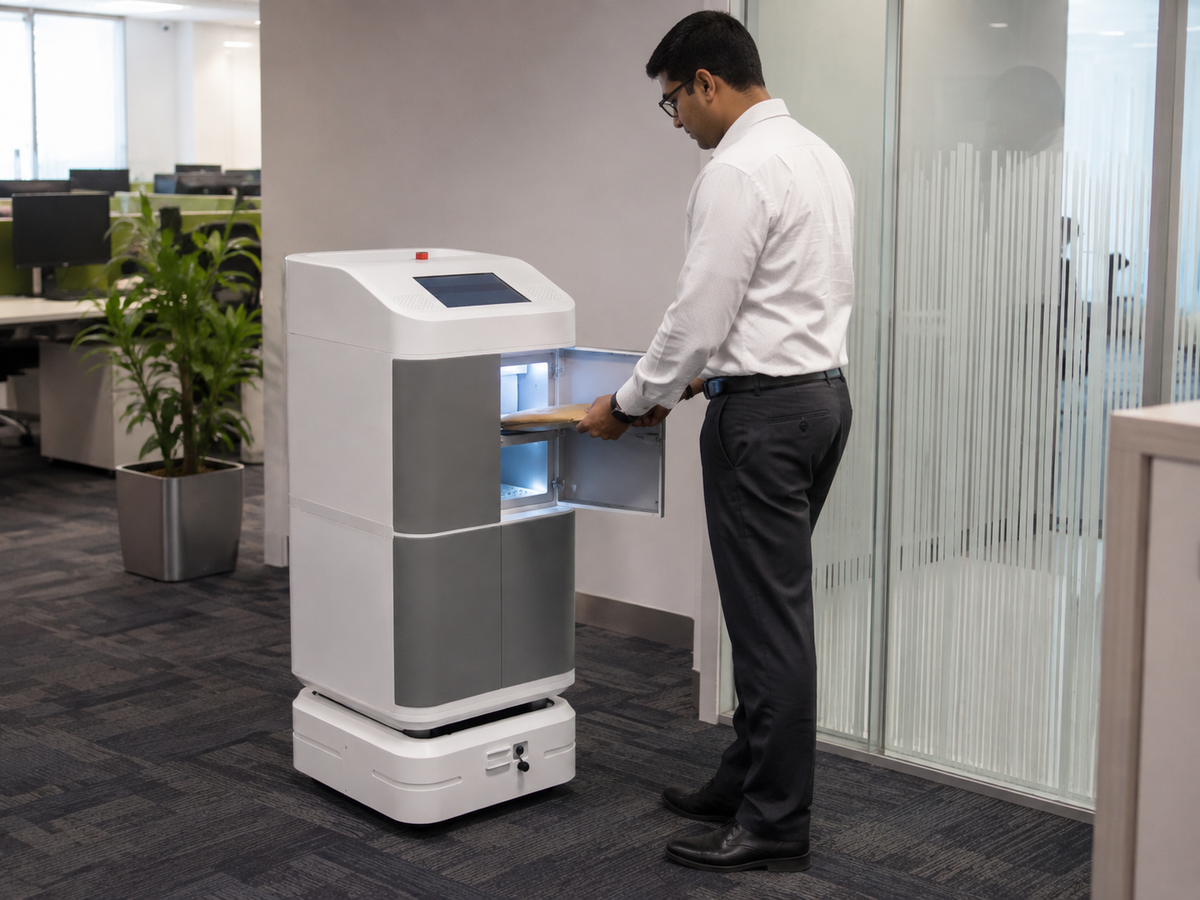
A charging locker has individual lockable compartments — each with its own door and its own lock. Each user (student, employee, patient) has exclusive access to their own compartment.
Best for:
- Schools where students need personal device storage
- Offices with BYOD or shared device policies
- Hospitals where staff store personal phones or tablets during shifts
- Any environment where individual accountability matters
Key feature: Each compartment is independently secured. One person's device cannot be accessed by another.
RIFE options: Smart Charging Lockers with PIN/RFID access, LS-Lab series with key or number lock
Charging Cabinets
A charging cabinet is a single lockable enclosure with multiple internal shelves or slots. One lock secures all devices inside. An administrator or teacher holds the key.
Best for:
- Classrooms where the teacher manages all devices
- IT departments storing and charging a fleet of devices
- Situations where individual access control is not required
Key feature: Simpler to manage — one key, one lock, all devices inside. Lower cost than individual-door lockers.
RIFE options: LS-Lab20, LS-Lab30, LS-Lab40 — these actually combine both concepts with individual doors inside a cabinet frame
Charging Trolleys
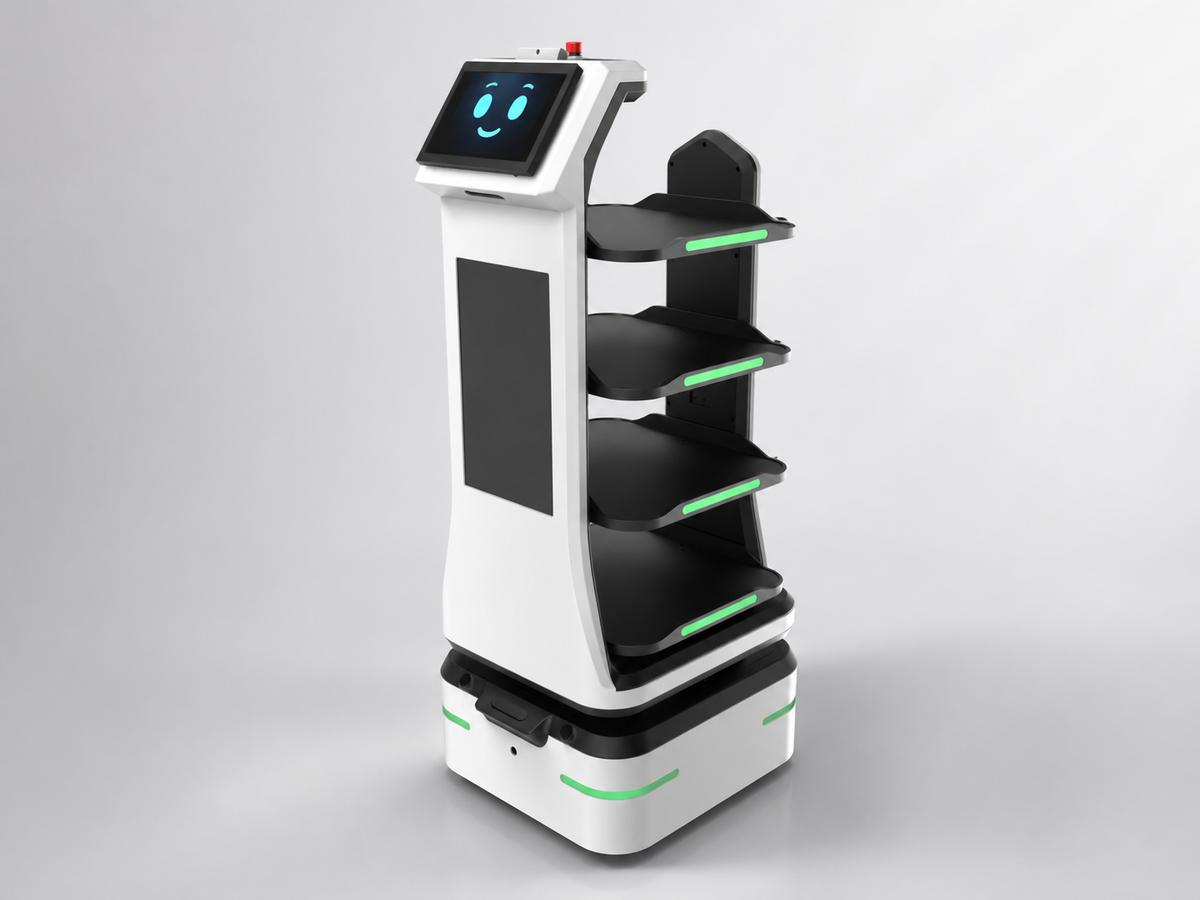
A charging trolley (also called a charging cart) is a mobile unit on wheels that can be moved between rooms. It typically has open or semi-open shelves for devices, with a central locking door or doors.
Best for:
- Schools that share devices across multiple classrooms
- Training centres that move devices between rooms
- Situations where devices need to travel with the cart
Key feature: Mobility. The trolley comes to the devices — or the devices travel with the trolley to wherever they're needed.
RIFE options: 16-Device Laptop Charging Trolley with lockable doors and castors
Quick Comparison Table
| Feature | Charging Locker | Charging Cabinet | Charging Trolley |
|---|---|---|---|
| Individual locks | ✅ Yes | ❌ No | ❌ No |
| Mobile / on wheels | ❌ No | ❌ No | ✅ Yes |
| Best for | Personal device security | Classroom fleet | Shared/mobile use |
| Access control | Per user | Administrator | Administrator |
| Typical capacity | 6–40 devices | 20–40 devices | 10–30 devices |
| Price range | Higher | Medium | Medium |
Which One Should You Choose?
- Individual accountability needed → Charging Locker
- Teacher-managed classroom devices → Charging Cabinet
- Devices shared across rooms → Charging Trolley
- Hospital or corporate BYOD → Smart Charging Locker with PIN/RFID
Still unsure? Contact RIFE — we'll recommend the right solution based on your specific environment and device count.
Frequently Asked Questions
Q: Can I get a unit that is both a locker and a trolley?
A: Yes — RIFE's 16-device charging trolley has lockable doors and individual shelves, combining mobility with security.
Q: What's the most popular choice for Indian schools?
A: Individual-door charging cabinets (like the LS-Lab series) are most popular for Indian schools — they offer per-device security without the higher cost of full smart locker systems.
Q: Do all RIFE charging units come with power sockets?
A: Yes — all RIFE charging cabinets and lockers include one AC socket per compartment or shelf.