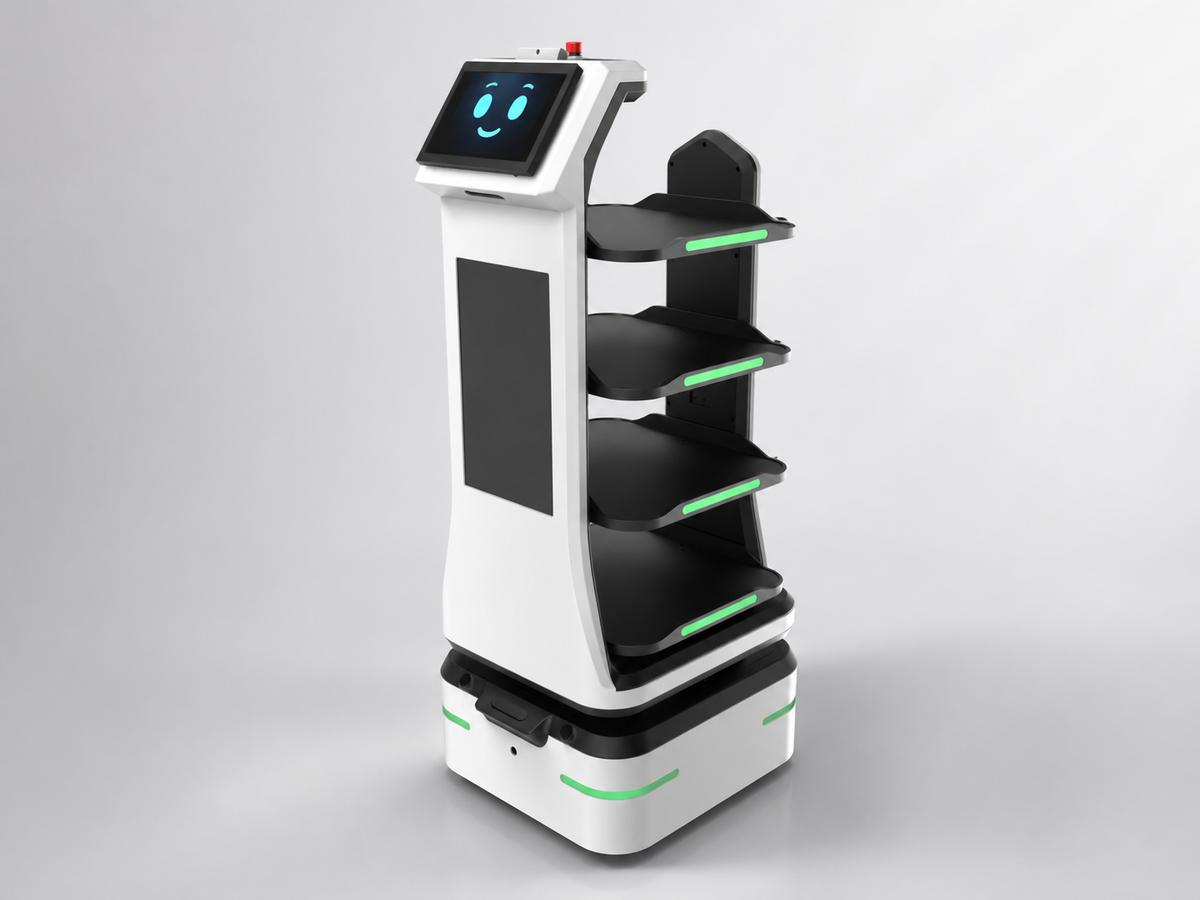
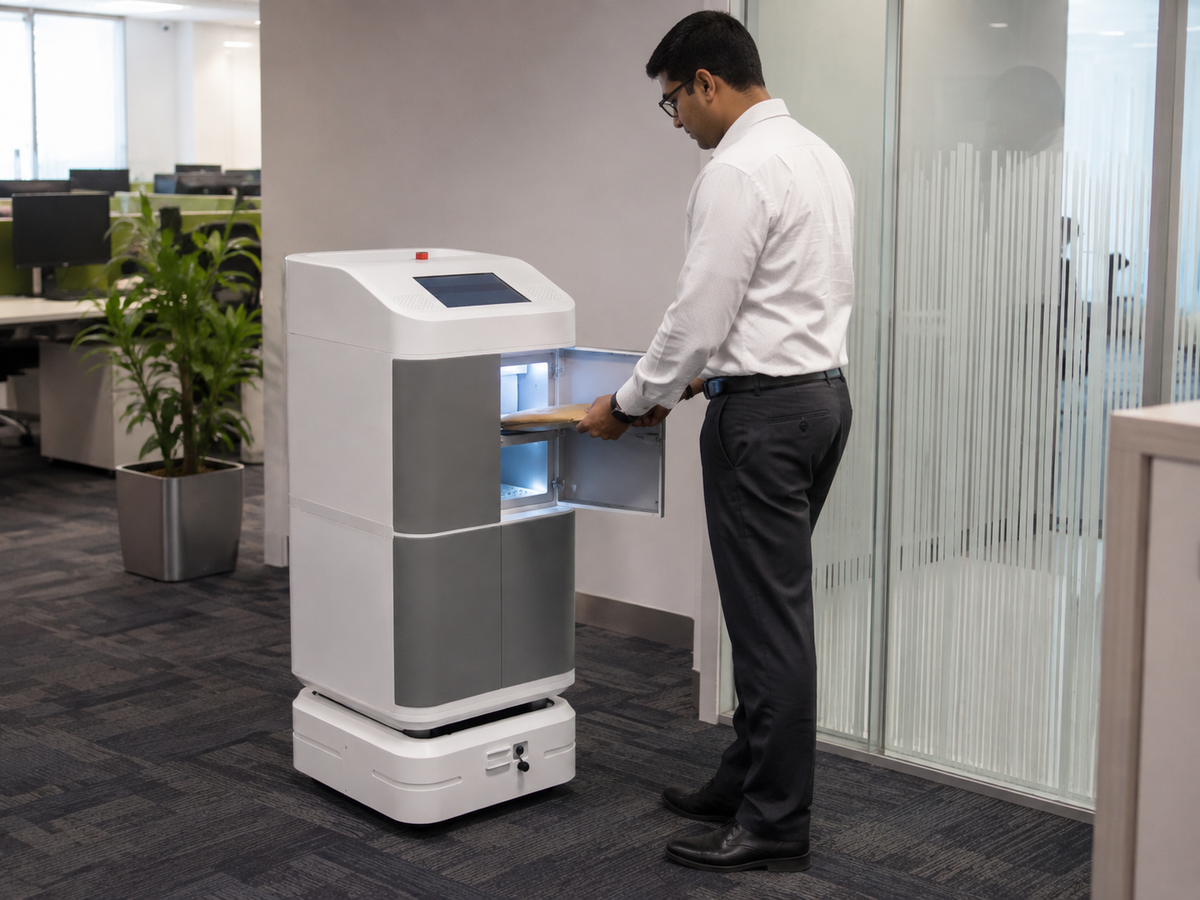
Choosing between charging trolleys and fixed cabinets is a practical decision that directly affects productivity, device security, cost efficiency, and IT control within an office environment. Both solutions are designed to store and charge multiple devices, but their suitability depends on how your organization operates on a daily basis.

Mobility vs Stability
Charging trolleys are designed for mobility. They allow teams to move devices between meeting rooms, training areas, or departments without manual handling of individual laptops or tablets. This reduces downtime and improves operational efficiency, especially in dynamic office setups or shared workspaces.
In contrast, fixed charging cabinets provide a stable, centralized location for device storage and charging. They are better suited for offices where devices are assigned to specific teams or employees and do not require frequent relocation. This fixed setup supports a more structured workflow and minimizes unnecessary movement of devices.
Impact on Productivity
From a productivity standpoint, charging trolleys enable faster device distribution and collection. IT teams or administrators can transport multiple devices at once, reducing time spent on manual allocation. This is particularly useful during training sessions, onboarding programs, or hot-desking environments.
Fixed cabinets, however, contribute to productivity through organization and consistency. Employees know exactly where to access and return devices, reducing confusion and delays. For offices with predictable workflows, this consistency often results in smoother day-to-day operations.

Security Considerations
Security is a critical factor in device management. Fixed cabinets generally offer higher physical security due to their permanent installation. They can be integrated into secure rooms or restricted areas, reducing the risk of theft or unauthorized access.
Charging trolleys also include locking mechanisms, but their mobility can introduce additional risks if not properly managed. Organizations must ensure controlled movement and accountability when using trolleys to maintain the same level of security as fixed installations.
Cost Efficiency
When evaluating cost, charging trolleys may appear more versatile since they can serve multiple areas without requiring multiple installations. This can reduce the need for duplicate infrastructure, especially in larger offices.
Fixed cabinets, on the other hand, often involve a higher upfront investment per location but offer long-term durability and lower maintenance costs. They are a cost-effective solution for offices with stable device usage patterns and minimal need for relocation.
IT Control and Device Management
For IT teams, fixed cabinets provide better control over device management. Centralized storage makes it easier to monitor usage, perform updates, and ensure all devices are accounted for. This level of control is essential for maintaining compliance and minimizing device-related issues.
Charging trolleys offer flexibility but may require stricter tracking processes. Without proper management systems, devices can become harder to monitor as they move across different areas.

Final Decision
For offices that prioritize mobility, shared usage, and flexible work environments, charging trolleys are the more practical choice. For organizations that require strong security, centralized control, and consistent workflows, fixed cabinets are the better investment.
Ultimately, the right solution depends on your office structure, device usage patterns, and IT management priorities. Aligning your choice with these factors ensures improved productivity, enhanced security, and optimized operational costs.
Buy our charging Carts here:-
or visit our website:- www.rifeindia.com for more