Elevating Care Delivery: The Strategic Evolution of the Medical Cabinets and Carts Market

The modern healthcare landscape demands a relentless pursuit of efficiency, safety, and patient-centric care. In this mission, the infrastructure that supports frontline clinicians—specifically, medical cabinets and carts—has transcended its traditi0nal role as mere storage. Today, the medical cabinets and carts market is a sophisticated ecosystem of advanced mobile workstations and secure storage solutions, driving a profound transformation in clinical workflows. This upward trajectory is not a temporary trend; with the global medical carts market alone projected to reach over $6.63 billion by 2030, this segment is a critical investment for future-ready healthcare facilities.
This exploration delves into the strategic advancements and core benefits that modern medical carts & cabinets bring to the point of care, highlighting how these essential tools are empowering healthcare professionals to deliver better, faster, and safer patient outcomes.

The New Paradigm of Mobile Healthcare: Carts on Wheels
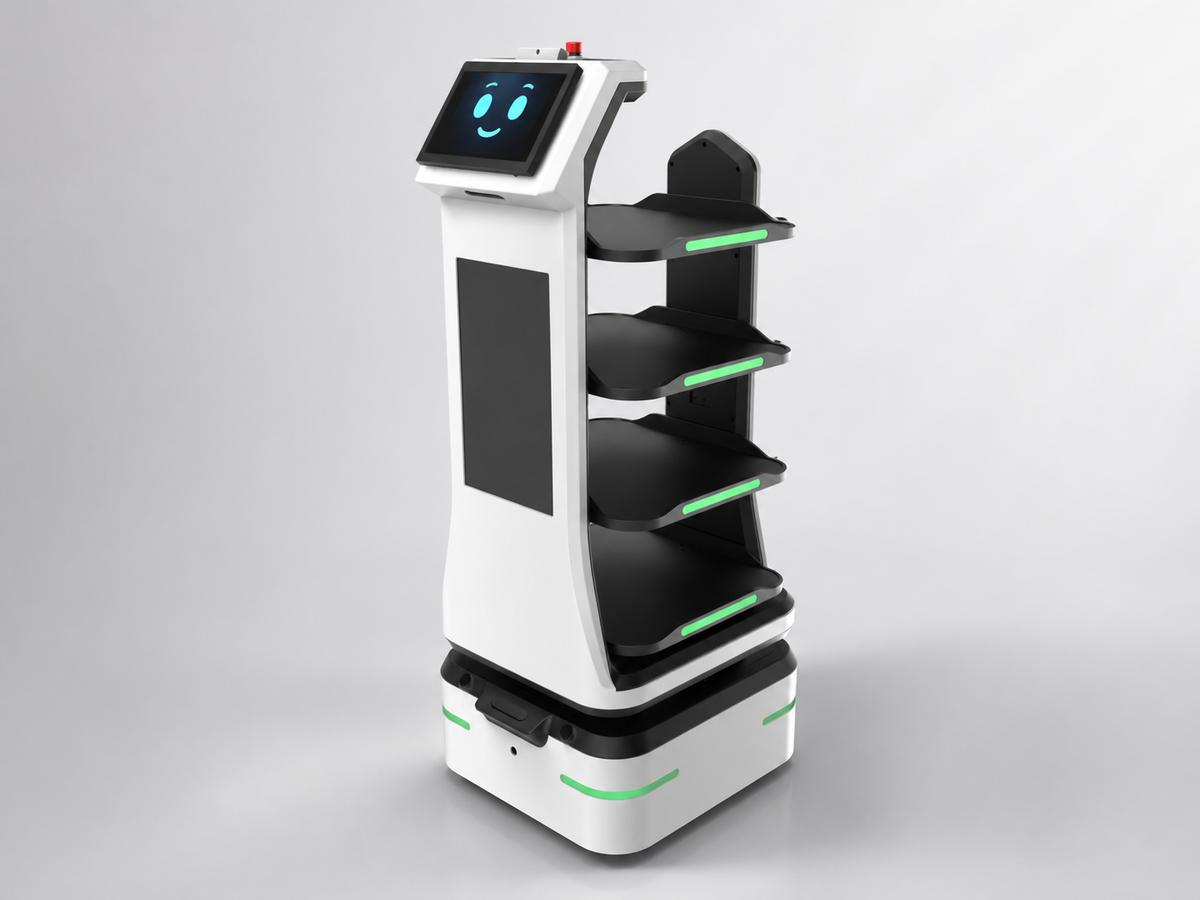
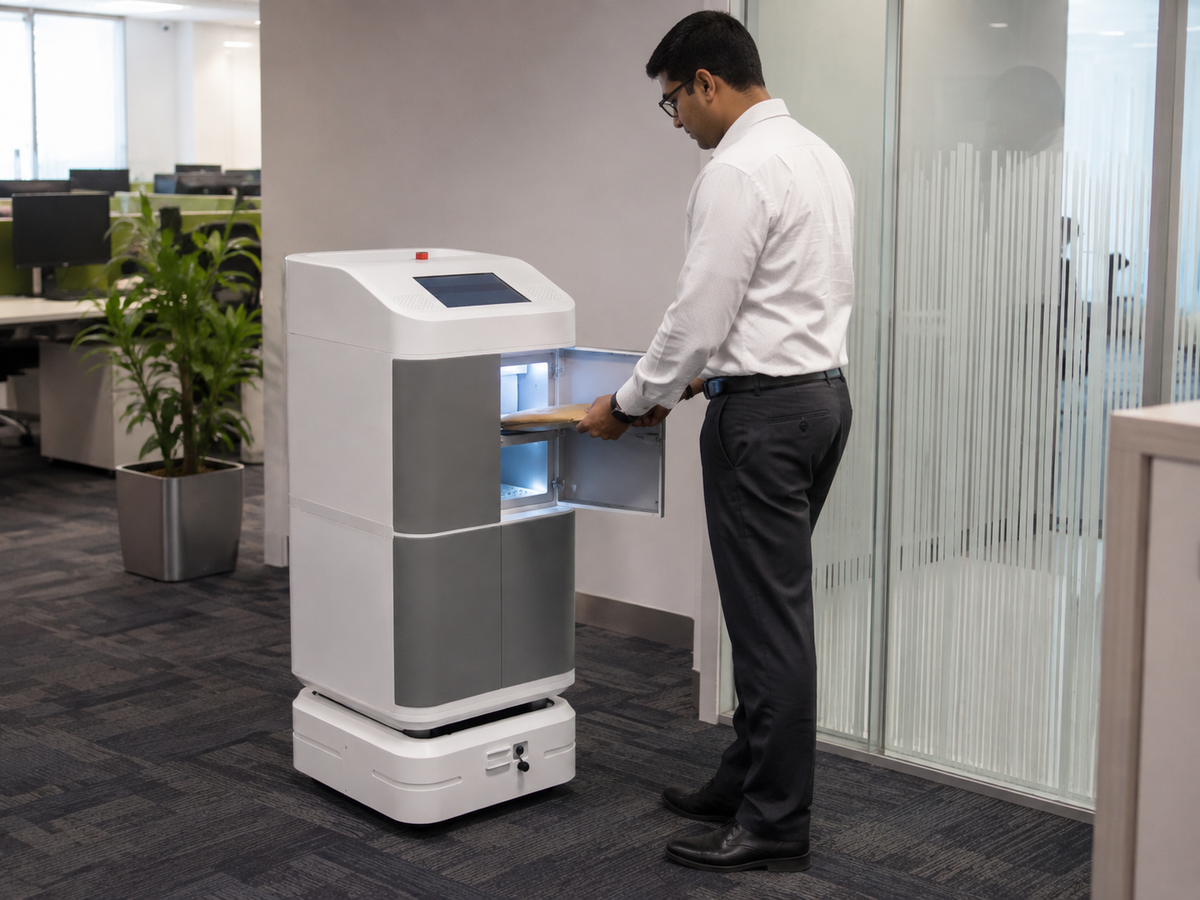
The most significant shift in clinical support has been the move from stationary fixtures to dynamic, mobile solutions. This revolution is powered by products like medical cabinets on wheels, rolling medical cabinets, and mobile medical cabinets, which effectively decentralize critical resources and information.
Empowering Clinicians at the Bedside
Mobile medical cabinets and their cart counterparts directly address a fundamental challenge in healthcare: minimizing the time staff spend walking back and forth between patients and centralized stations. By providing medical storage cabinets on wheels, hospitals enable nurses and doctors to bring all necessary equipment and information—including medications, supplies, and technology—directly to the patient's bedside.
-
Workflow Acceleration: A medical cabinet on wheels can be equipped with computer mounts and scanners, allowing clinicians to immediately access and update Electronic Health Records (EHRs) at the point of care. This eliminates the need for detours, reduces time-wasting cyclical workflows, and ensures patient data is entered in real-time, closing crucial communication gaps.
-
Enhanced Patient Engagement: When a healthcare provider is not tethered to a wall-mounted computer, they can spend more quality time with the patient. Rolling medical cabinets facilitate this interaction, allowing the provider to review test results or scans on-screen with the patient, fostering trust and encouraging greater involvement in their own care plan.
-
Specialized Mobile Solutions: The market offers specialized carts, from emergency 'crash' carts to anesthesia carts, and general medical supply cabinets on wheels. These products are designed for durability, ergonomics, and easy mobility across different hospital environments, ensuring that critical supplies are instantly accessible in a moment's notice.
This mobility is no longer a luxury, but a non-negotiable component of efficient patient care, creating a less stressful and more productive environment for staff who are constantly on the move.

Beyond Storage: The Fusion of Technology and Design
The innovation driving the medical cabinets carts market is centered on integration. Modern medical carts & cabinets have transformed into sophisticated mobile workstations that seamlessly interface with the hospital's digital infrastructure.
Intelligent Integration for Safety and Accuracy
The most advanced medical storage cabinets now incorporate smart technology to protect both supplies and patient data.
-
EHR and Telehealth Integration: Carts are equipped with wireless connectivity, dual screens, and in some cases, built-in telehealth capabilities. This technology enables real-time data sharing among departments and facilitates remote consultations, expanding the reach of specialized care.
-
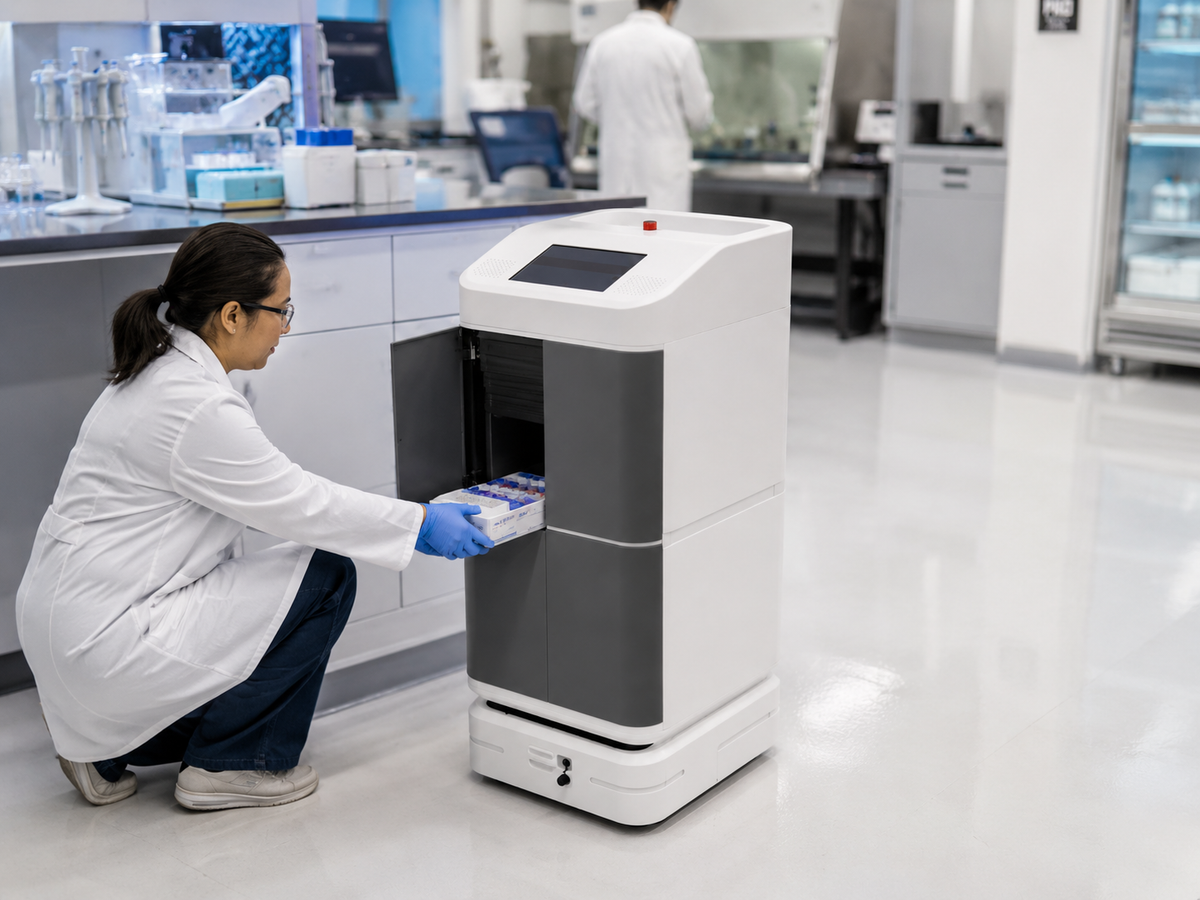
Automated Dispensing and Inventory: Advanced medical cabinets utilize RFID technology and sensors for real-time inventory management. Automated dispensing cabinets (ADCs) provide a controlled environment for medication, ensuring that only authorized personnel can access them, and often only a single compartment will open for the required dose. This dramatically reduces the risk of medication errors and diversion.
-
Ergonomics and Infection Control: Contemporary design is focused on the user. Features like adjustable heights, lightweight materials, and modular components cater to the diverse needs of healthcare workers, reducing strain. Furthermore, the use of antimicrobial surfaces is a critical innovation for medical carts & cabinets, helping to minimize the risk of infection transmission between patient environments.

Fortifying Patient Data and Supplies
Security and compliance are paramount in healthcare. The integrity of both physical and digital assets relies on robust, state-of-the-art medical storage cabinets.
Secure Storage in a Digital Era
While the healthcare industry rapidly shifts toward digital documentation, the need for secure physical medical records storage cabinets and safe storage for sensitive supplies remains critical.
-
HIPAA Compliant Security: Whether storing controlled substances or protected health information, security is non-negotiable. Modern medical storage cabinets and carts feature advanced security layers, including electronic locks, keycard proximity scanners, and biometric access controls. These systems not only restrict access but also provide a detailed audit trail for every interaction, ensuring compliance with regulations like HIPAA.
-
Optimizing Physical Records: For facilities still managing an archive of physical files, innovations in medical record storage cabinets focus on maximizing space and accessibility. High-density filing systems and rotary cabinets can quadruple storage capacity in the same footprint, offering secure, key- or electronically-locked solutions that are both practical and compliant. The ability to securely house both physical and digital assets within the vicinity of the care provider remains a vital component of a comprehensive storage strategy.
Customization and Versatility with Cart & Cabinet Accessories
The final layer of sophistication for any modern mobile workstation is its ability to be customized. Medical cart & cabinet accessories transform a standard unit into a highly specialized tool for a specific task or department.
From IV pole mounts and sharps container holders to writing surfaces, scanner holsters, and integrated power strips for charging medical devices, accessories are what tailor a mobile cabinet to the precise workflow of a clinician. These additions allow healthcare facilities to custom-equip their medical carts & cabinets for different wards—be it the Emergency Department, Operating Room, or general patient floor—maximizing utility and minimizing the need for specialized equipment to be sourced from elsewhere. This focus on modularity ensures that the investment in medical cabinets carts market solutions is flexible and future-proof.

Conclusion: A Future of Elevated Care
The trajectory of the medical cabinets and carts market is clear: it is moving decisively toward intelligent, integrated, and highly mobile solutions. The shift is not about new furniture; it is a strategic investment in time—reclaiming precious minutes for patient care—and safety, by dramatically reducing the potential for human error.
By embracing the latest mobile medical cabinets and implementing advanced security features across all medical storage cabinets, healthcare providers are not just adopting new equipment; they are architecting a future where operational excellence and unparalleled patient care converge. This commitment to smart, responsive, and ergonomic clinical support infrastructure is the key to unlocking the full potential of modern healthcare delivery.

Frequently Asked Questions
1. What is the main advantage of a "medical cabinet on wheels" over a traditional, stationary cabinet?
The main advantage is mobility and workflow efficiency. Medical cabinets on wheels (or rolling medical cabinets) allow clinicians to bring all necessary resources, supplies, and digital access (EHRs) directly to the patient’s bedside, reducing walking time, accelerating data entry, and increasing face-to-face patient time.
2. How do modern medical carts and cabinets enhance safety and security in a clinical setting?
Modern medical carts & cabinets utilize advanced security features such as electronic locks, biometric scanners, and keycard access to secure medications and sensitive supplies. Furthermore, they support HIPAA compliance by protecting digital patient information accessed at the point of care, often with detailed access audit trails.
3. What role does technology play in today's medical cabinets carts market?
Technology is central. Modern units integrate with hospital systems via wireless connectivity for real-time EHR access and data sharing. Advanced medical storage cabinets also use RFID and sensor technology for automated inventory management and secure, controlled dispensing of medication (ADCs) to minimize errors.
4. What are "medical cart & cabinet accessories" and why are they important?
Medical cart & cabinet accessories are modular additions (like IV pole mounts, sharps container holders, power strips, and scanner holsters) that allow a standard cart to be customized. They are important because they tailor the mobile unit to the specific, specialized workflows of different hospital departments, maximizing utility and investment.
5. How do mobile medical cabinets help improve patient engagement?
By bringing the necessary tools and information directly to the point of care, mobile medical cabinets free the clinician from being tethered to a static workstation. This allows them to spend more focused, quality time with the patient, sharing information (like test results or scans) directly on a cart-mounted screen, which fosters trust and encourages greater patient involvement in their care plan.