The Mobile Revolution: Transforming Healthcare Delivery with Portable Workstations and Devices

The landscape of modern healthcare is in perpetual motion, driven by an imperative to deliver care that is simultaneously faster, safer, and more patient-centric. This ambition is directly facilitated by a seismic shift from stationary infrastructure to dynamic, mobile technology. At the heart of this transformation is the evolution of the portable medical workstation and its complementary technologies, which have redefined the physical boundaries of patient care. No longer simply storage units, today’s portable medical cart is a sophisticated, integrated platform, fundamentally elevating the standard of clinical workflow. This blog explores the profound impact of this mobile shift, examining the crucial innovations that are empowering clinicians and improving outcomes across all settings.

The New Paradigm of Point-of-Care: Streamlining Clinical Workflow
The fundamental goal of mobile technology in a clinical environment is to bring the full spectrum of a caregiver's tools directly to the patient's bedside—the true point-of-care. In the past, critical tasks like charting, medication verification, and reviewing lab results often required nurses and doctors to step away from the patient to a static computer station. This introduced non-value-added time, known as "wasted footsteps," and created opportunities for errors due to memory recall.
The advanced portable medical workstation has successfully eliminated this barrier. By integrating powerful computing systems, high-speed network access, and secure storage onto a highly maneuverable portable medical cart, documentation becomes a real-time activity. The ability to access Electronic Health Records (EHRs), process orders, and even conduct telehealth consultations right next to the patient dramatically streamlines workflow efficiency. This mobility ensures that clinical staff can dedicate more time to meaningful, face-to-face interaction, a direct correlation proven to enhance patient satisfaction and improve overall clinical outcomes.
Engineering for Clinical Excellence: Core Features of Advanced Carts
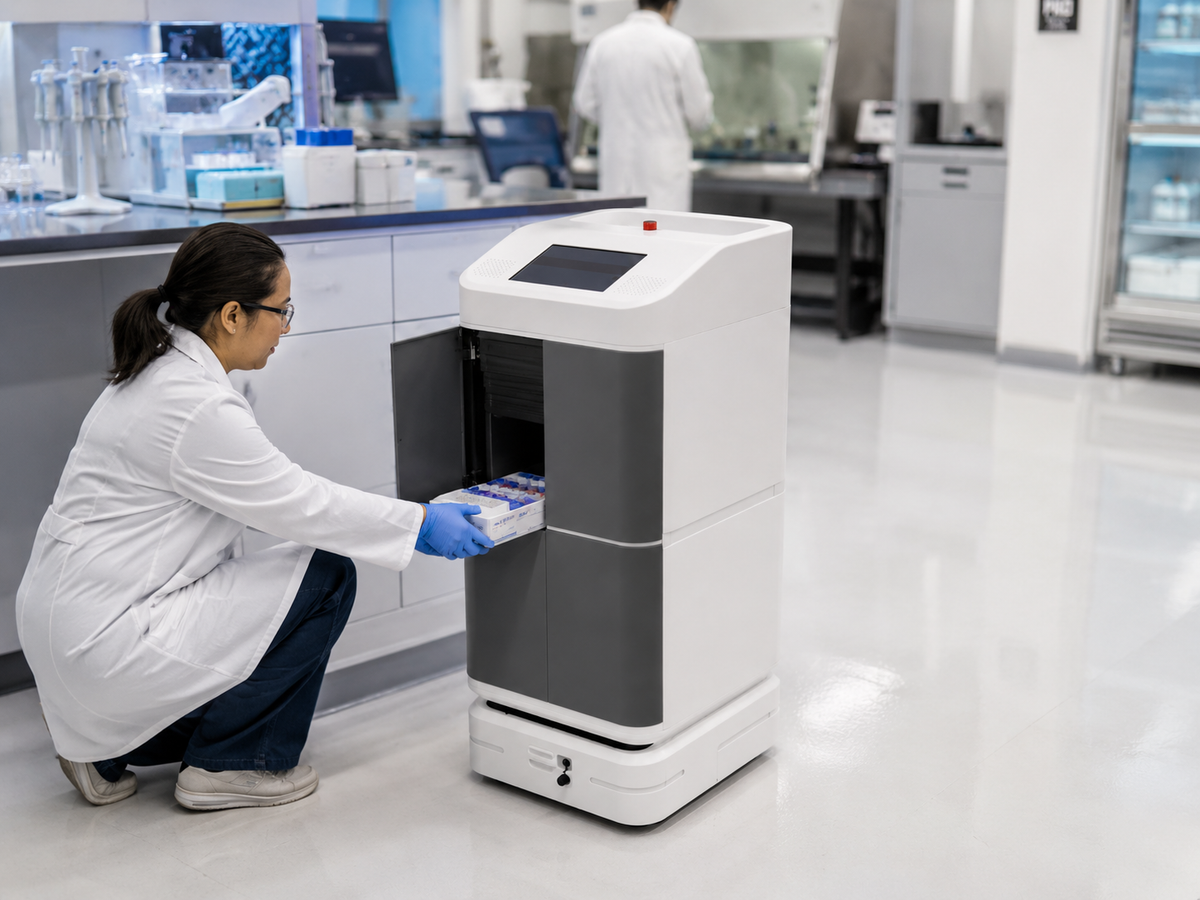
A modern portable medical cart is a masterclass in specialized engineering, designed to withstand the rigors of a 24/7 clinical environment while meeting stringent hygiene and ergonomic demands. The expertise of a specialized portable medical work station manufacturer is evident in the selection of materials and integrated features that distinguish these tools from generic office carts.

Uncompromised Infection Control and Durability
The construction of these units is paramount. High-quality carts feature robust materials like stainless steel frames and specialized, easy-to-clean surfaces. Crucially, many advanced models incorporate antimicrobial coatings on high-touch surfaces, such as handles and work areas. This proactive design minimizes the proliferation of degrading bacteria, helping to maintain a sterile environment and actively supporting a facility’s infection control protocols.
Sustained Power and Ergonomic Design
For a portable medical workstation to function as a seamless extension of the clinician, uninterrupted power is non-negotiable. Leading carts utilize advanced power management systems, often featuring hot-swappable, long-cycle lithium-ion batteries. This innovation allows staff to maintain continuous operation by replacing a depleted battery without ever having to shut down the system, ensuring zero downtime during critical shifts.
Furthermore, a truly effective cart is an ergonomic one. Features like motorized, push-button height adjustments accommodate users of different statures and support both seated and standing work positions, significantly reducing staff fatigue and the risk of musculoskeletal strain over long shifts. Smooth, quiet-rolling, braked casters are also a small but vital feature, ensuring safe and non-disruptive movement through patient wards and tight clinical spaces.

Beyond the Cart: The Rise of Connected Portable Medical Equipment
The mobility revolution extends far beyond the computer-on-wheels. The concurrent advancement of miniaturization and connectivity has unleashed a wave of sophisticated portable medical equipment and specialized portable medical devices that are transforming diagnostics and monitoring.
Diagnostic Power at the Bedside
Point-of-care diagnostic devices are shrinking in size while increasing in capability. Handheld ultrasound machines, portable blood analyzers, and compact ECG devices allow for high-resolution imaging and rapid lab results to be obtained immediately, in nearly any setting—from an ambulance to a remote community clinic. This eliminates the delay associated with transporting patients or samples to a central lab, enabling faster diagnoses and more timely intervention, a factor critical for improving outcomes in emergency and acute care.
The Internet of Medical Things (IoMT) and Remote Monitoring
The integration of portable medical devices with wireless technology marks the dawn of the Internet of Medical Things (IoMT). Wearable sensors and connected health trackers continuously monitor vital signs and transmit data in real-time to the EHR and to a central care team. This capability is pivotal for chronic disease management and post-discharge follow-up. It empowers providers to monitor a patient’s recovery from the comfort of their home, ensuring timely alerts for any adverse changes. This shift to continuous, remote monitoring not only enhances patient safety but also reduces the necessity for costly and often stressful hospital readmissions.
Driving the Future: Innovation from the Manufacturers
The trajectory of mobile healthcare is shaped by the consistent innovation of the portable medical work station manufacturer community, which is now integrating next-generation technologies into their platforms.
The future of the portable medical workstation involves greater cognitive assistance. AI and machine learning are being built into these systems to provide clinical decision support, automate documentation tasks, and assist in managing inventory. Furthermore, the integration of Augmented Reality (AR) is emerging, allowing providers to overlay vital signs, diagnostic images, or anatomical models onto the patient’s body via the cart’s screen, enhancing procedural precision and patient education.
As these tools handle increasingly sensitive patient data, enhanced security features are becoming standard. This includes biometric authentication (like fingerprint or facial recognition) for rapid, secure login, ensuring HIPAA and privacy compliance is maintained even with constant movement throughout the facility. The continuous evolution of the portable medical equipment market is not just an upgrade in hardware; it is a fundamental reinvestment in the efficiency, capability, and compassionate delivery of patient care for a healthier future.

Frequently Asked Questions (FAQs)
Q1: How does a portable medical workstation improve clinical efficiency?
By bringing the full Electronic Health Record (EHR) and necessary computing power directly to the patient’s bedside (the point-of-care), these workstations eliminate "wasted footsteps." This enables real-time charting, medication verification, and order processing, which significantly streamlines the clinician's workflow and increases time spent on direct patient interaction.
Q2: What is the biggest innovation in power management for modern portable medical carts?
The key innovation is the use of hot-swappable, long-cycle lithium-ion batteries. This advanced power system allows clinicians to replace a depleted battery without having to power down the entire workstation, ensuring continuous operation and eliminating downtime during critical shifts.
Q3: How are portable medical carts designed to support hospital infection control protocols?
Leading manufacturers engineer these carts using robust materials, specialized, easy-to-clean surfaces, and often integrate antimicrobial coatings on high-touch areas like handles and work surfaces. This proactive design minimizes the potential for microbial proliferation and supports stringent hygiene standards.
Q4: What is the role of IoMT (Internet of Medical Things) in conjunction with portable medical devices?
The IoMT connects portable medical devices like wearable sensors and remote monitors to the central care system wirelessly. This enables the continuous, real-time transmission of patient data to the EHR, which is pivotal for remote monitoring, chronic disease management, and ensuring timely safety alerts.
Q5: Beyond computers, what kinds of portable medical equipment are transforming bedside diagnostics?
Miniaturization has created powerful handheld diagnostic devices, including compact ultrasound units, portable blood analyzers, and handheld ECG devices. These allow for rapid, high-resolution diagnostic results to be obtained immediately at the patient's location, enabling faster clinical decisions and interventions.