Service Robots for Schools: Revolutionizing Education, Safety, and Engagement

The educational landscape is undergoing a seismic shift. Gone are the days when a classroom consisted solely of a blackboard, chalk, and textbooks. Today, schools are dynamic hubs of technology, preparing students for a future defined by Artificial Intelligence (AI), automation, and rapid digital transformation. Among the most exciting innovations to enter this space is the Service Robot.

Once the subject of science fiction, service robots are now a reality in modern educational institutions. They are not here to replace teachers but to empower them—supporting educators, assisting students, and streamlining campus operations. From greeting visitors at the front desk to helping a shy student practice math, these AI-powered machines are redefining what a "smart school" looks like.
This blog explores the role, benefits, and future potential of service robots in modern education, illustrating why they are becoming essential assets for forward-thinking schools.
What Are Service Robots for Schools?
Service robots are autonomous or semi-autonomous machines designed to perform useful tasks for humans and equipment, excluding industrial automation applications. In the context of a school, they are AI-powered assistants equipped with advanced sensors and software designed to handle educational activities, administrative duties, and campus safety.
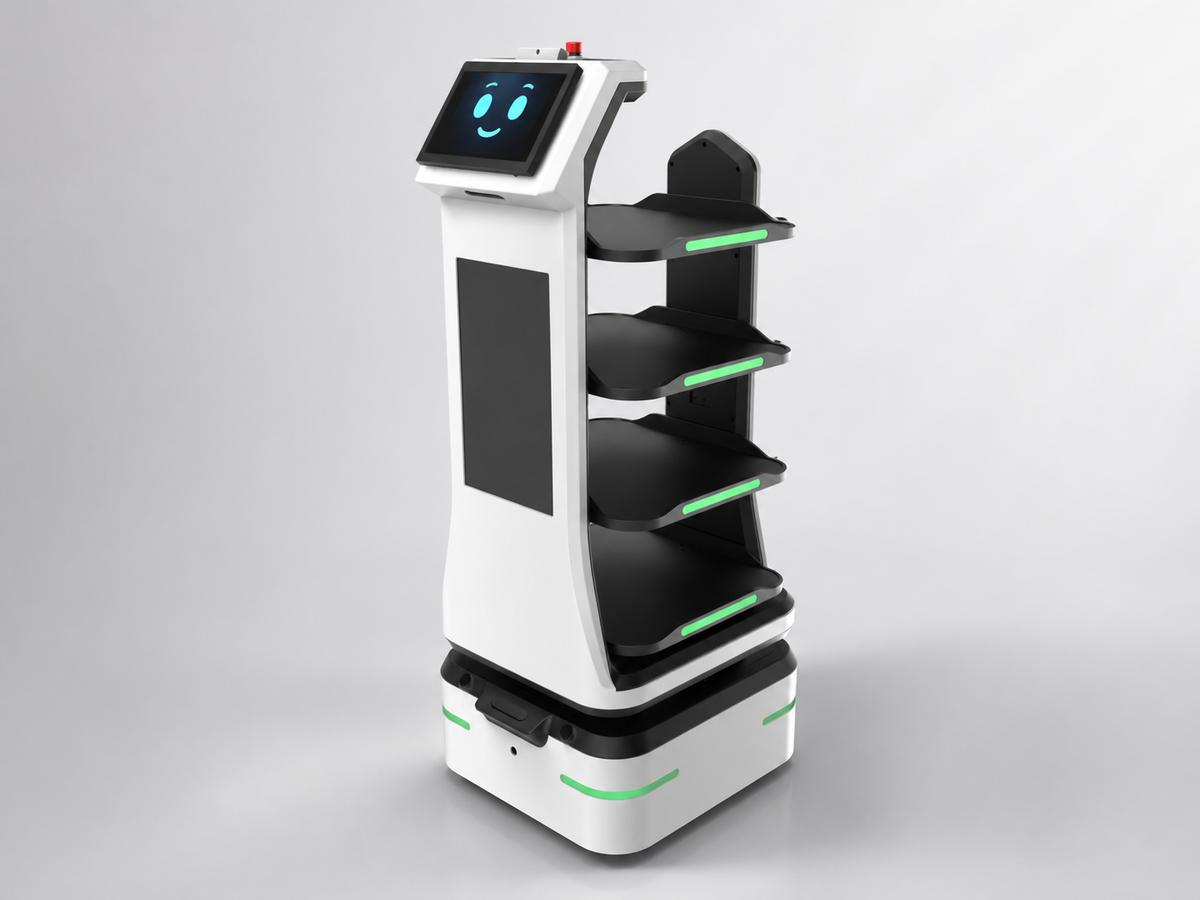
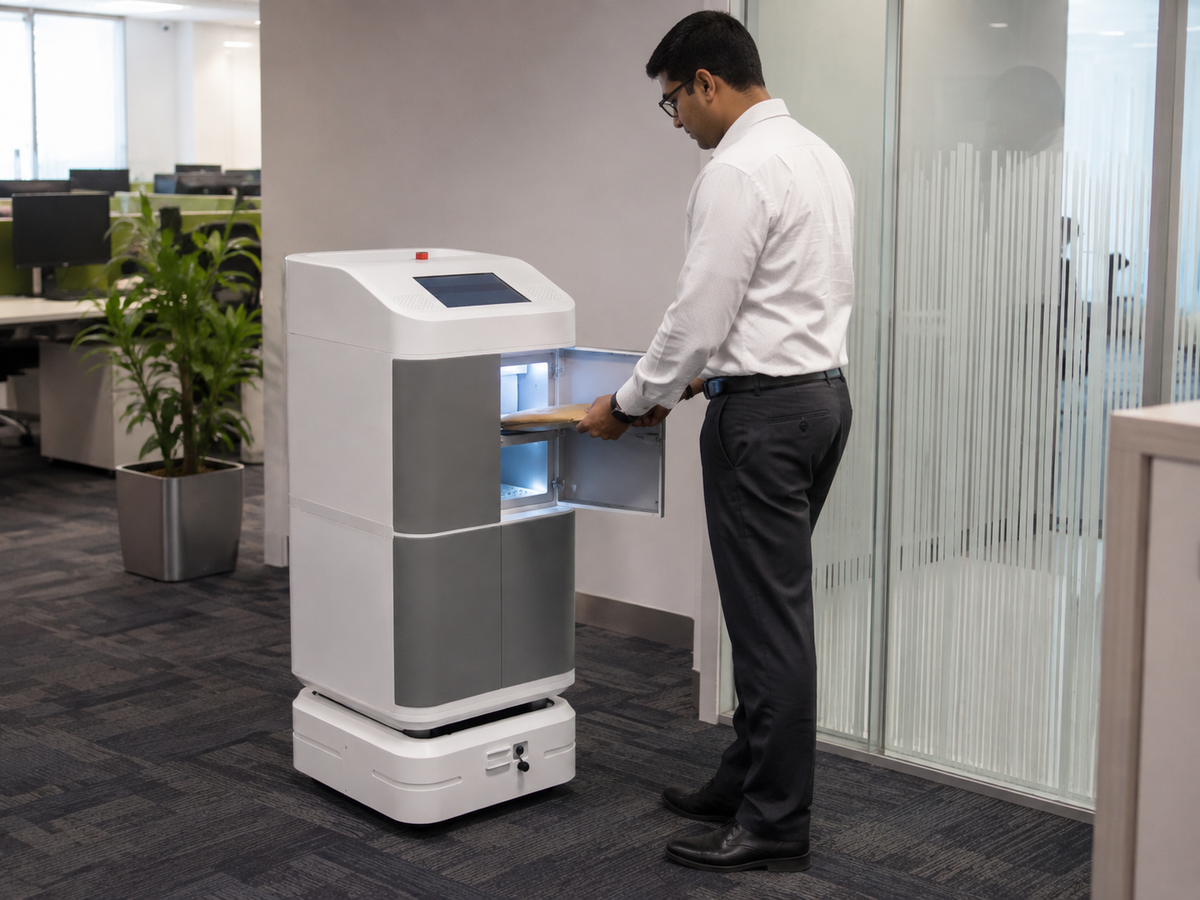
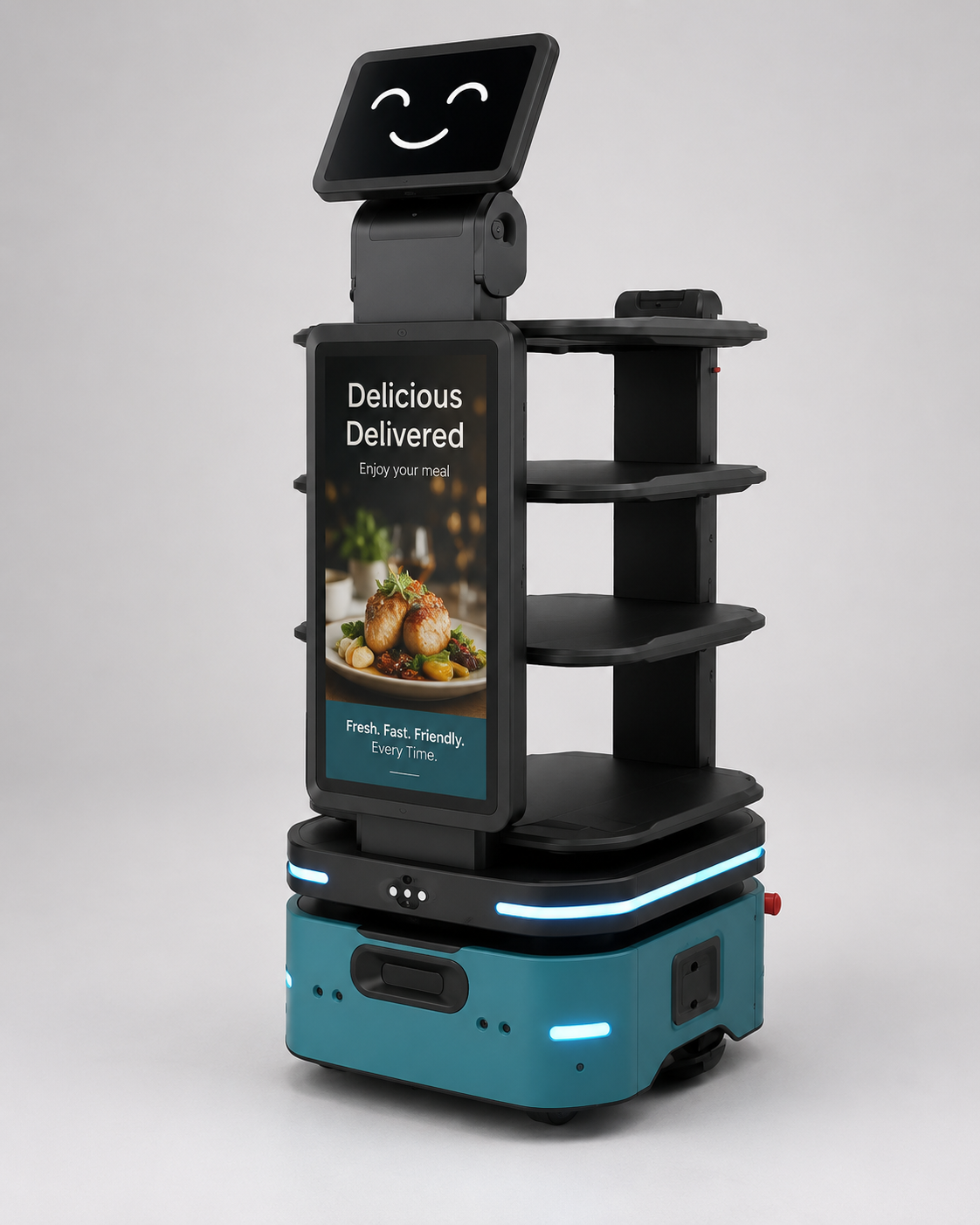
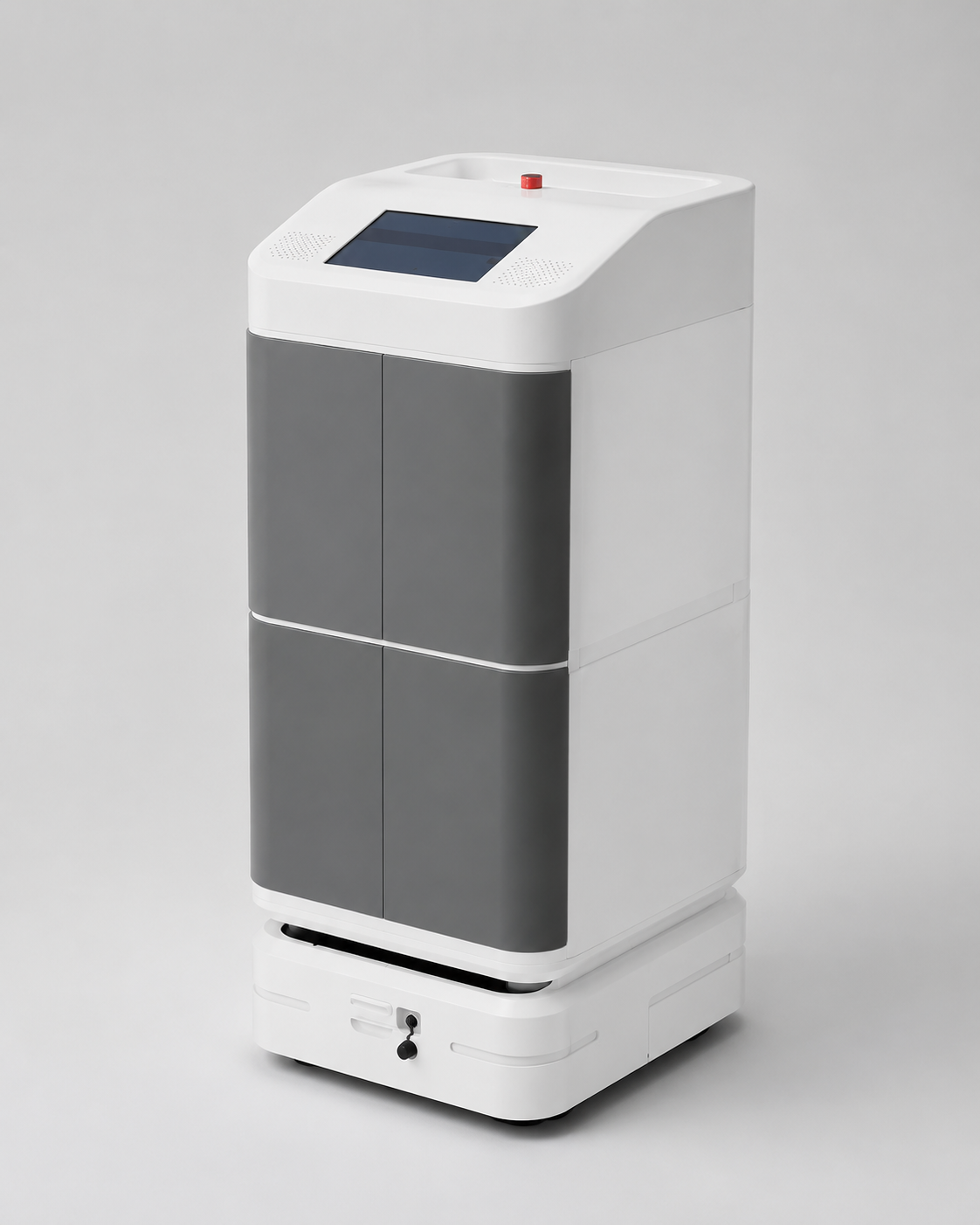
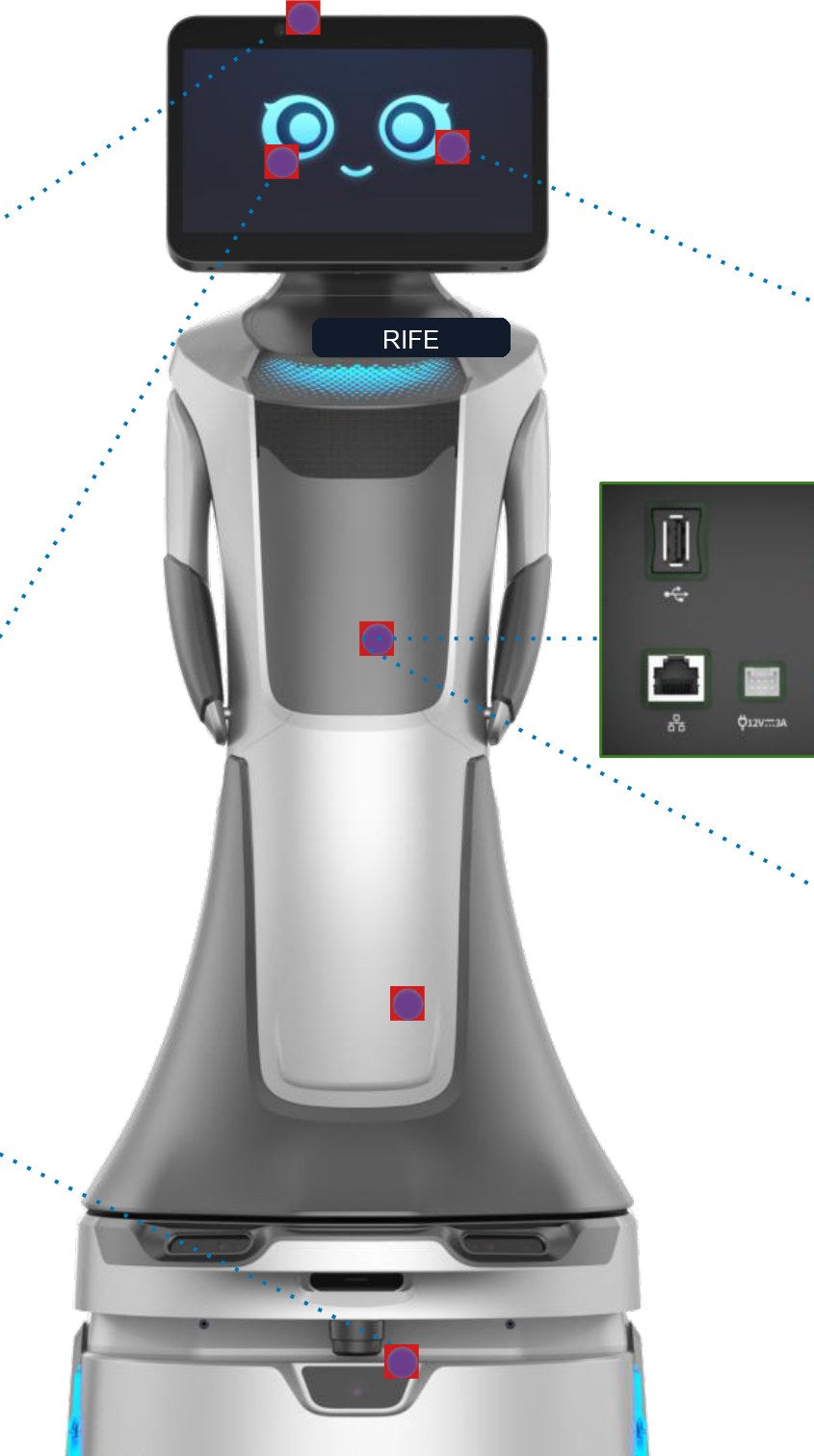
These robots come in various forms to suit different needs. Some are humanoid, designed with faces and arms to mimic human interaction, making them approachable for younger children. others are mobile kiosks, efficient at navigation and information display. Regardless of their shape, they generally share a suite of high-tech features:
-
Voice Interaction: Natural Language Processing (NLP) allows them to converse with students and staff.
-
Touchscreen Displays: For interactive learning, maps, and quizzes.
-
facial recognition: For security and personalized greetings.
-
Autonomous Navigation: The ability to move around the campus without bumping into obstacles.
The ultimate goal of deploying these robots is twofold: to elevate the student learning experience through engagement and to reduce the repetitive workload that often burdens teachers and administrators.
Why Schools Are Adopting Service Robots
The adoption of robotics in education is driven by the need to make learning more interactive and school management more efficient. Here are the six core reasons why schools are investing in this technology.
1. Enhancing Classroom Teaching (The Co-Teacher Model)
Teachers often struggle to give individual attention to every student in a crowded classroom. Service robots act as intelligent teaching assistants. They can take over routine drills, such as explaining a topic using visual formats on their chest-mounted screens or playing educational videos.
For example, while a teacher works with a small group of students on a complex project, the robot can conduct a quiz for the rest of the class or answer routine questions. Furthermore, for differently-abled students, robots offer a patient, non-judgmental interface for practicing skills, providing consistent support that adapts to the student’s pace.
2. Skyrocketing Student Participation
One of the biggest hurdles in education is student hesitation. Shy students often fear raising their hands to answer a question incorrectly. Robots remove this social anxiety. A child is often more comfortable making a mistake in front of a robot than a human.
Robots make learning inherently fun. Through voice-based quizzes, interactive games, and storytelling sessions, they turn mundane lessons into "gamified" experiences. When a robot enters the room, energy levels rise, and students who are typically disengaged become eager to interact, touch the screen, and participate in the lesson.
3. Streamlining Administration
School offices are often overwhelmed with paperwork and repetitive queries. Service robots stationed in the administrative block can automate a significant portion of this workload.
They can handle student registration inquiries, log attendance, display fee structures, and announce timetables. By offloading these repetitive tasks to a machine, administrative staff can focus on more complex issues that require human empathy and decision-making, thereby improving overall operational efficiency.
4. Fortifying Safety & Security
In an era where campus safety is a top priority, robots act as the first line of defense. Equipped with facial recognition technology and cameras, these robots can serve as mobile security guards.
They can verify visitors against a database, alert security staff immediately if an unauthorized individual is detected, and monitor restricted areas. During events, they can guide guests to specific departments, ensuring that visitors do not wander into student-only zones.
5. The Modern Library Assistant
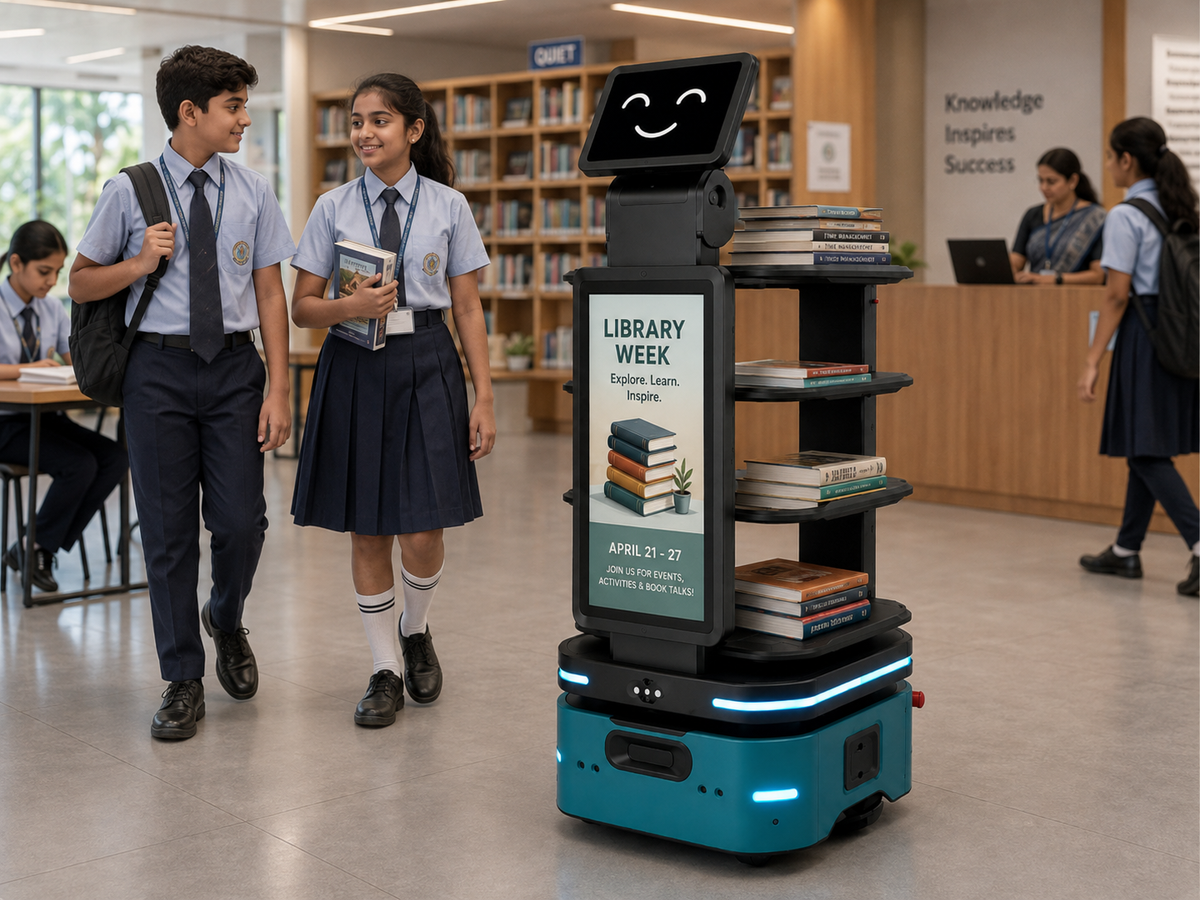
Libraries can be intimidating labyrinths for young students. A service robot acts as a smart librarian. A student can approach the robot and ask, "Where are the books on dinosaurs?" The robot can then guide the student to the exact shelf.
Beyond navigation, they can display book summaries, explain the Dewey Decimal System, and even read stories to younger children, making the library a more interactive and less silent, imposing space.
6. Bridging Language Barriers
In international schools or culturally diverse campuses, language can be a barrier. Service robots are programmed to be multilingual. Whether a parent speaks English, Hindi, Tamil, Arabic, or French, the robot can switch languages instantly. This ensures that communication remains clear and inclusive for all students and visiting parents.
Use Cases: Robots Across Age Groups
The utility of a service robot changes as the student grows.
Early Childhood Education (Kindergarten)
At this stage, the robot is a friendly companion. It uses visual storytelling and animation to teach the alphabet, numbers, shapes, and rhymes. The robot’s patience is key here—it can sing the same rhyme ten times without getting tired, ensuring the child learns through repetition.
Primary & Middle Schools
Here, the robot becomes a tutor. It can conduct science demonstrations, host math quizzes, and facilitate language practice. It bridges the gap between play and serious academic study by offering interactive lessons that require student input on touchscreens.
High Schools
For older students, the robot is a tool for advanced learning. It serves as a practical subject for coding lessons and robotics classes. Additionally, it can provide career guidance information, details on college applications, and deliver modules on AI awareness, preparing students for the tech-centric workforce they will soon enter.

The Strategic Benefits for Schools
Investing in robotics offers tangible returns for educational institutions:
-
Brand Differentiation: Schools that utilize robots are immediately perceived as futuristic and prestigious. It signals to parents that the institution is at the cutting edge of technology.
-
Consistent Quality: Unlike humans, robots do not have "bad days." They provide consistent information and teaching support every single time.
-
Operational Savings: By automating visitor management and FAQs, schools save man-hours, allowing staff to be deployed more effectively.
-
Data-Driven Insights: Robots can track which lessons students engage with most, providing data that helps teachers tailor their curriculum.
Challenges & The Path Forward
Despite the benefits, there are hurdles. Cost is a primary concern, though the rise of "Robots as a Service" (subscription models) is making them affordable. Technical Dependency is another worry; however, modern robots come with remote support and auto-updates, minimizing the need for on-site technicians. Finally, Teacher Adaptation requires training. Schools must emphasize that robots are assistants, not replacements, to ensure educator buy-in.
The Future of Robots in Education
We are only scratching the surface. In the near future, service robots will offer:
-
Hyper-Personalization: AI that analyzes a student's learning style and adapts the lesson plan in real-time.
-
Emotional AI: Robots that can detect if a student looks sad or frustrated and alert a counselor.
-
Virtual Classrooms: Robots acting as avatars for remote teachers or guest lecturers.
Conclusion
Service robots are more than just shiny gadgets; they are transformative tools that are reshaping the educational ecosystem. By enhancing safety, automating mundane tasks, and injecting excitement into the learning process, they create an environment where students and teachers thrive.
As we move further into the digital age, the schools that embrace these technologies today will be the leaders of tomorrow, producing students who are not just consumers of technology, but masters of it. The future of education is here, and it is automated, interactive, and incredibly exciting.
1. Will service robots replace teachers in the classroom?
No, service robots are designed to act as assistants, not replacements. They handle repetitive tasks, administrative work, and basic drills, allowing teachers to focus on complex instruction, mentorship, and emotional support.
2. How do service robots improve school safety?
Robots enhance security by using facial recognition to verify visitors, monitoring restricted areas, and instantly alerting security staff if unauthorized individuals are detected on campus.
3. Can service robots help shy or introverted students?
Yes. Shy students often feel less judged by a machine than a human. Robots encourage participation through gamified quizzes and non-judgmental repetition, helping these students build confidence.
4. What administrative tasks can a robot handle?
They can automate visitor management, log student attendance, answer frequent questions about fees or timetables, and guide guests to specific departments, significantly reducing paperwork for staff.
5. Are service robots too expensive for most schools?
While high-end models can be costly, many companies now offer "Robots as a Service" (subscription models) and cloud-based AI kiosks, making the technology increasingly affordable for varied school budgets.