Delivery Robots for Last-Mile Logistics | 2025 Industry Analysis

Introduction
In the complex world of supply chain management, one segment has consistently plagued logistics managers, business owners, and retailers alike: the last mile. Historically, getting a package from a warehouse to a local distribution center is efficient and streamlined. However, that final leg—moving the item from the local hub to the customer’s doorstep—is a logistical nightmare.

Studies show that businesses spend nearly 50% of their total shipping costs just on this final stage of delivery. This creates a massive financial bottleneck, especially in dense urban environments where traffic congestion, parking restrictions, and complex building layouts slow down human drivers. When you factor in rising labor shortages, increasing fuel costs, and the modern consumer’s demand for "instant" delivery, the traditional model begins to crumble.
Enter the year 2025. What was once considered the realm of science fiction—autonomous droids rolling down sidewalks—has become a tangible reality. Companies worldwide, from the tech hubs of Bangalore and Singapore to the bustling streets of Dubai and London, are turning to AI-powered delivery robots. These machines are no longer futuristic concepts; they are active workforce participants delivering groceries, documents, life-saving medicines, and hot meals across campuses, hospitals, and residential complexes.
This blog explores how delivery robots are transforming the last-mile delivery landscape and why they have evolved from a novelty into a competitive necessity for businesses globally.
What Are Delivery Robots? More Than Just Wheels
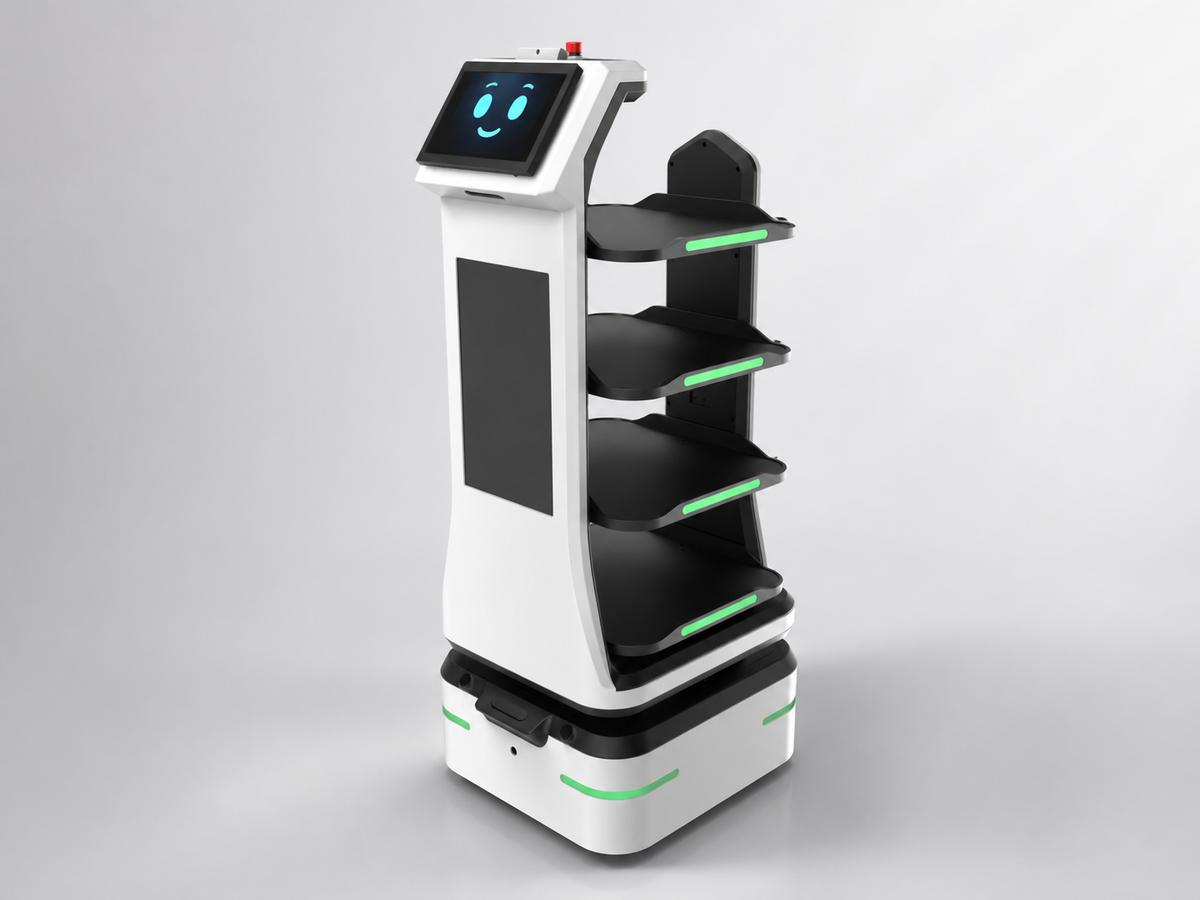
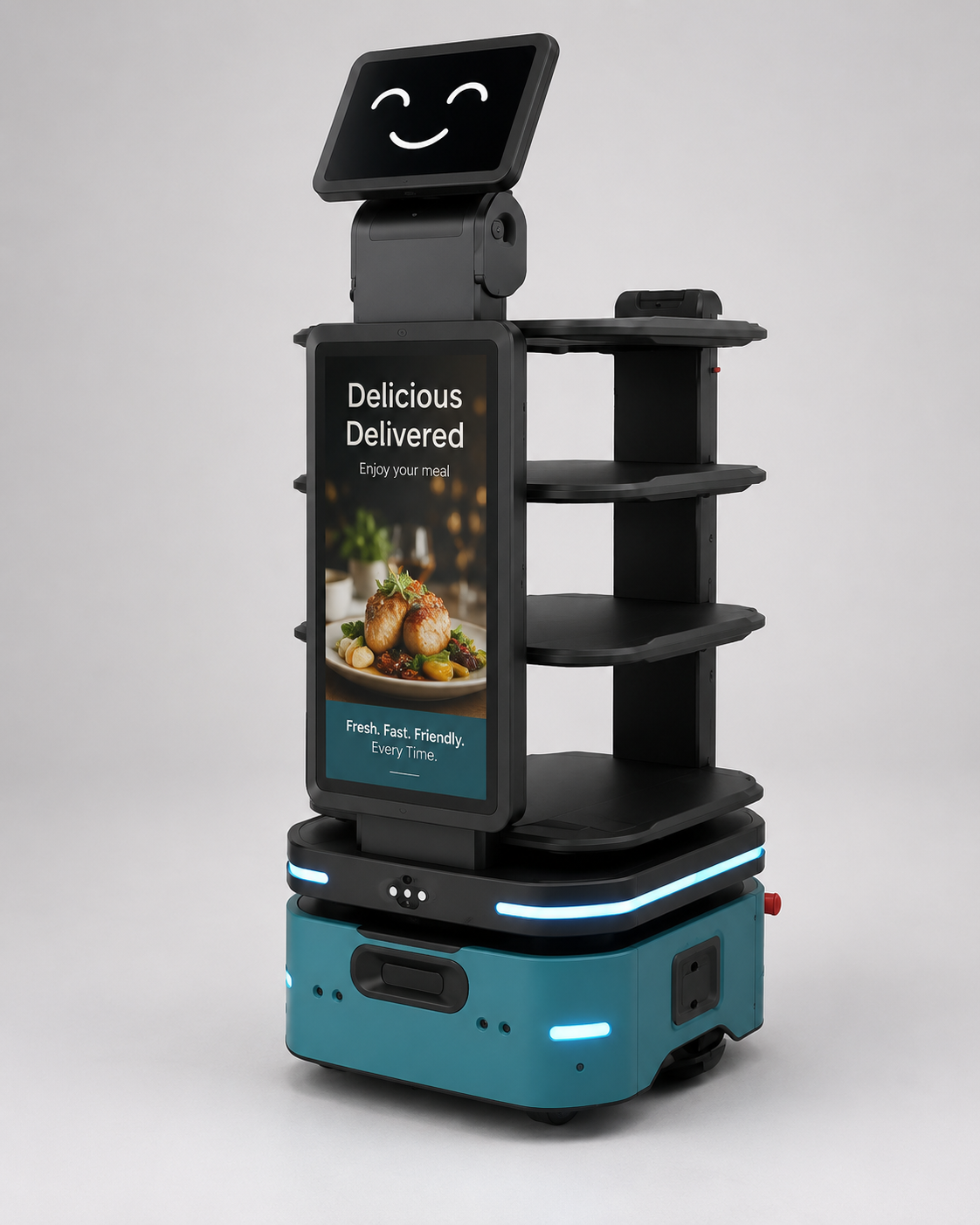
At their core, delivery robots are autonomous or semi-autonomous mobile machines designed to transport items safely from point A to point B. However, describing them merely as "carts with wheels" undermines the sophisticated technology powering them.
These robots are marvels of modern engineering, typically carrying payloads ranging from 3 kg to 100 kg, depending on whether they are designed for the carpeted corridors of a hotel or the paved pathways of a university campus.
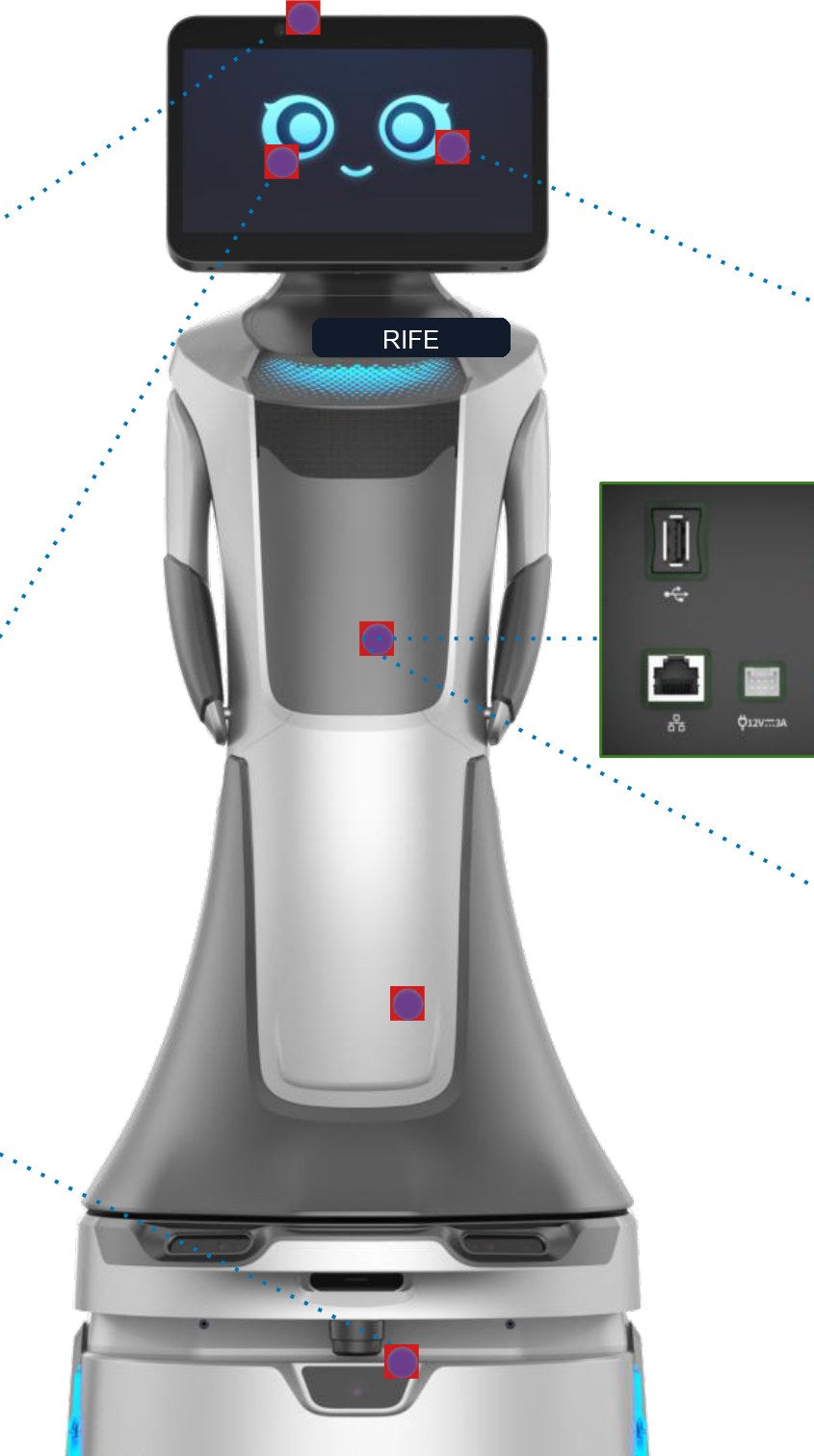
To navigate complex environments without human intervention, they utilize a "sensor fusion" approach:
-
LiDAR (Light Detection and Ranging): This acts as the robot's eyes, creating a 360-degree 3D map of the surroundings in real-time.
-
SLAM (Simultaneous Localization and Mapping): This technology allows the robot to understand where it is on a map while simultaneously updating that map if the environment changes (e.g., a moved bench or a parked car).
-
AI & Computer Vision: Cameras detect obstacles—pedestrians, pets, curbs—and AI algorithms predict their movement to avoid collisions.
-
Connectivity: constant communication via GPS, Wi-Fi, and 5G ensures the robot is trackable and can communicate with elevators or automatic doors.
Why Delivery Robots Are Becoming a Global Trend
The adoption of delivery robots isn't just about using cool technology; it is an economic response to four critical market pressures.
1. The High Cost of Human Delivery
The unit economics of manual delivery are challenging. Every human delivery involves salaries, health insurance, vehicle maintenance, and fuel costs. In contrast, a robot represents a capital expenditure (CapEx) that eventually transitions into very low operating costs (OpEx). Once purchased or leased, the robot eliminates the recurring overhead associated with human employees.
2. The Global Labor Shortage
From Europe to Asia, the logistics sector is facing a severe manpower crunch. Finding reliable staff for low-skill, high-repetition jobs—especially for night shifts—is becoming increasingly difficult. Robots plug this gap perfectly. They don't mind working the graveyard shift, they don't resign, and they don't face burnout.
3. The Demand for 24/7 Speed
In 2025, consumers expect speed. Whether it's a late-night craving or an urgent medical sample, waiting until "business hours" is no longer acceptable. AI robots ensure deliveries happen quickly and consistently. They take no sick leave, require no coffee breaks, and are immune to the emotional fatigue that causes human error.
4. Zero-Fuel Cost and Sustainability
With the global push toward Net-Zero carbon emissions, electric delivery robots are a green alternative to gas-guzzling delivery scooters and vans. Running on rechargeable batteries, they consume minimal power, making them an eco-friendly choice for large, green-certified campuses.

How It Works: A Day in the Life of a Delivery Robot
The operation of a modern delivery robot is a study in seamless automation. Here is the four-step workflow that powers these machines:
Step 1: Order Assignment
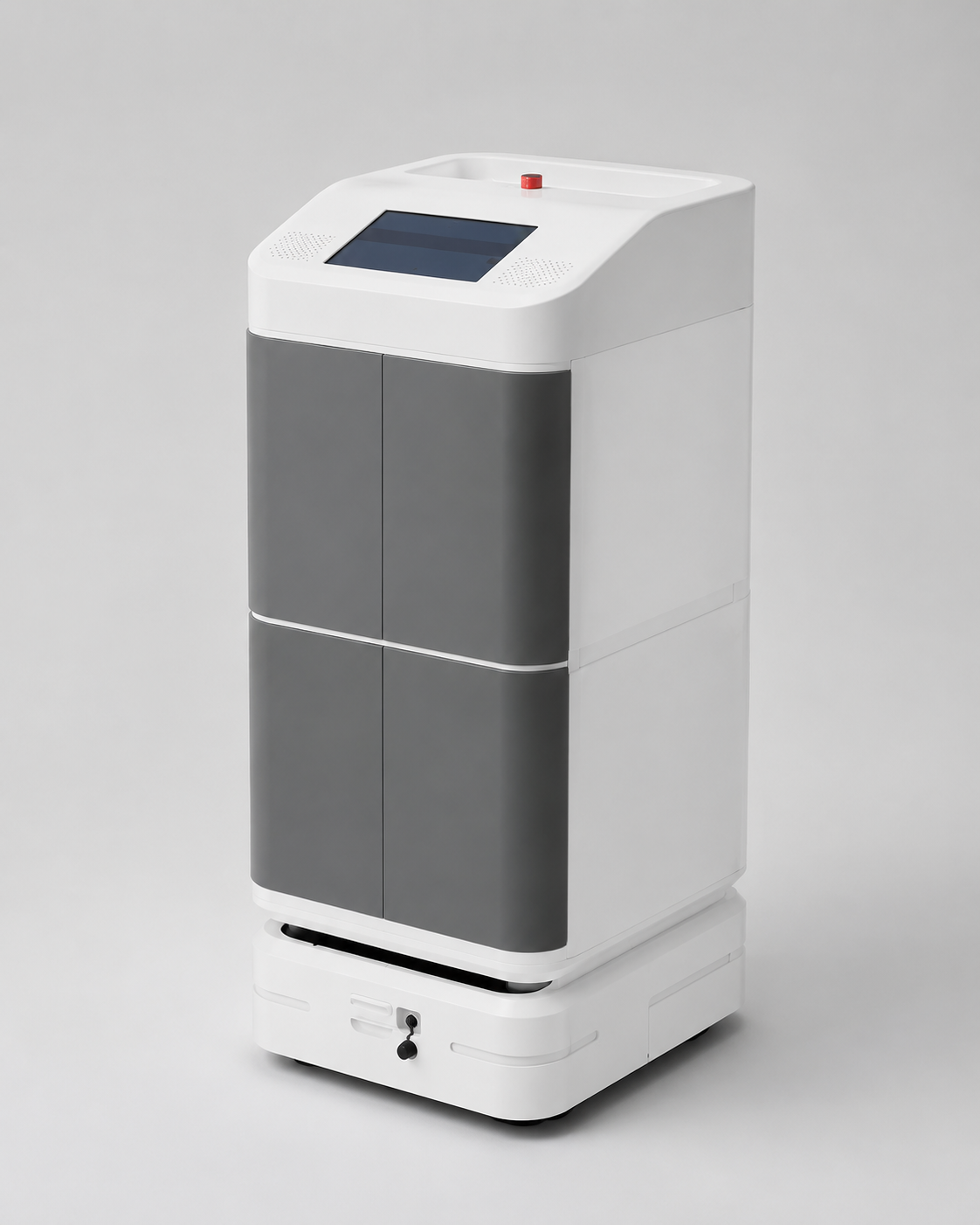
It begins with a trigger. A nurse requests lab results, or a hotel guest orders a toothbrush via an app. The central command dashboard receives the request and dispatches the nearest available robot. Staff members load the item into the robot’s secure, lockable compartment and punch in a secure PIN or scan a QR code to lock it.
Step 2: Intelligent Navigation
The robot begins its journey. Using its pre-mapped understanding of the building or campus, it calculates the most efficient route. If it encounters a closed door or an elevator, it uses IoT integration to wirelessly "call" the elevator or open the door, moving between floors without human help.
Step 3: Secure Delivery
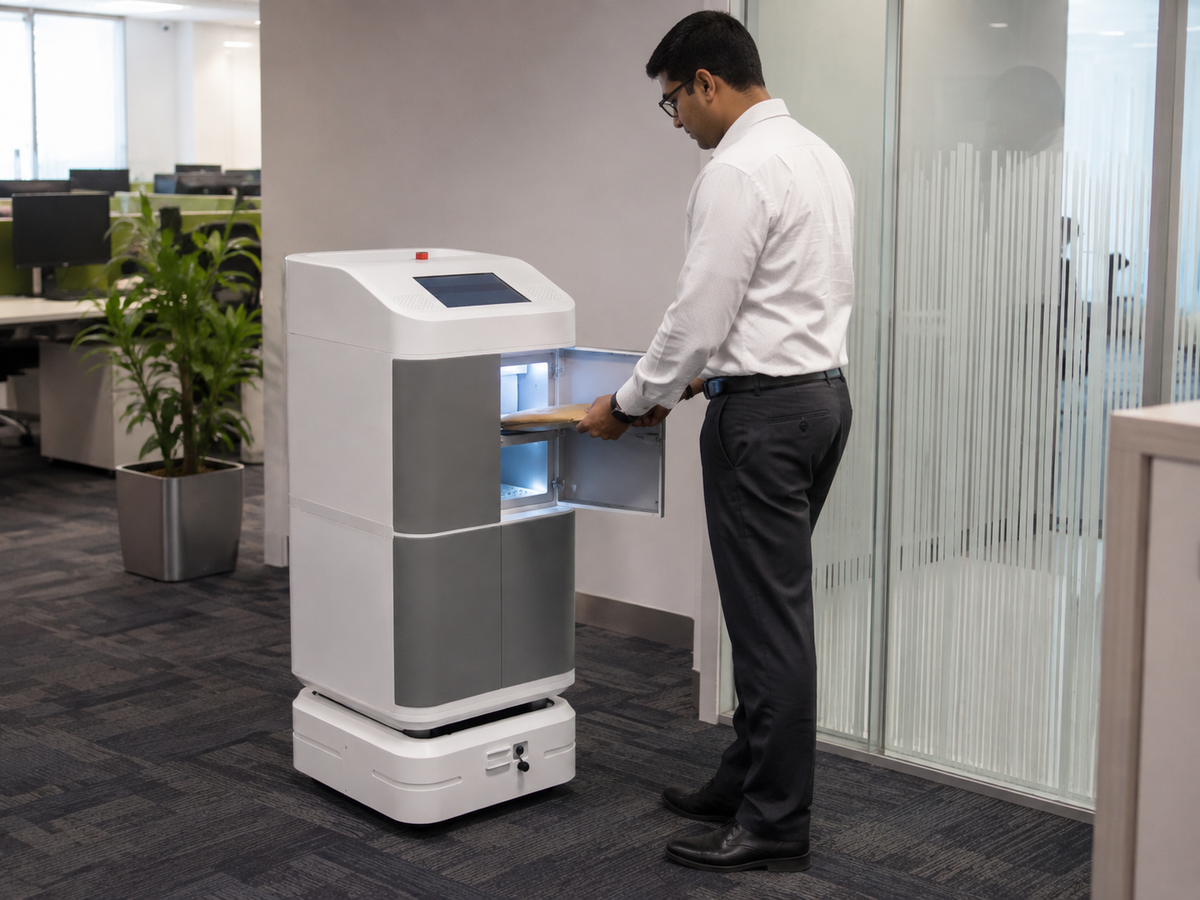
Upon reaching the destination, the robot sends a notification (SMS or App Alert) to the recipient. The recipient meets the robot, scans a code or enters a PIN on the robot’s touchscreen, and the compartment opens. This ensures that the item is only accessed by the intended person.
Step 4: Return to Base
Mission accomplished, the robot navigates back to its home station. If its battery is low, it automatically docks itself to recharge, ready for the next assignment.
Use Cases: Where Are They Being Deployed?
While we often imagine robots on city streets, their most immediate value is being realized in "controlled environments."
1. Hospitals & Healthcare Centers
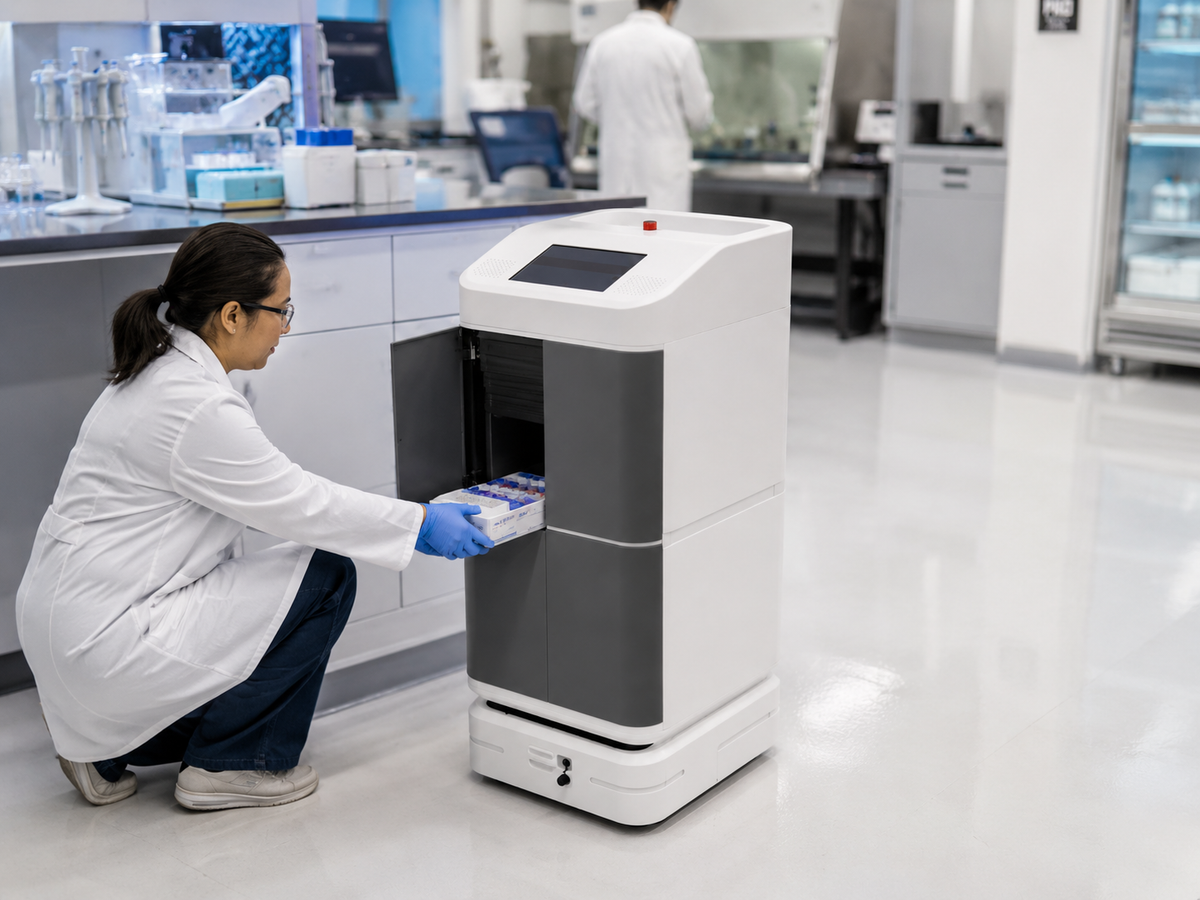
In healthcare, efficiency saves lives. Robots are used to transport blood samples, lab reports, and sterile surgical equipment between departments. More importantly, during infectious disease outbreaks, robots act as a buffer, delivering meals and medicine to isolation wards without exposing healthcare workers to viral loads.
2. Corporate Offices & Tech Parks
In sprawling IT parks in India or corporate HQs in Silicon Valley, employees waste significant time walking to collect parcels or food. Robots handle internal mail distribution, deliver files between buildings, and bring coffee to meeting rooms. This keeps the human workforce focused on high-value tasks.
3. Hotels & Hospitality
The "Wow" factor is huge here. When a robot arrives at a guest's door with fresh towels or a bottle of wine, it creates a memorable experience. Beyond the novelty, it reduces the burden on housekeeping staff, allowing them to focus on room turnover rather than running small errands.
4. Residential Apartments & Gated Communities
In premium societies, security is paramount. Instead of allowing dozens of external delivery drivers inside the gates, packages can be left at the guardhouse. From there, internal robots ferry the parcels to the specific villa or apartment tower, maintaining security and privacy.
The Business Edge: Benefits and ROI
For decision-makers, the shift to robotics offers tangible ROI:
-
50–60% Cost Reduction: By removing the human variable from the simple transport of goods, companies drastically cut operational expenses.
-
Scalability: If a hotel is at 100% occupancy, they can activate their full fleet of robots. If it's a slow season, the robots simply stay docked, costing nothing. You cannot "pause" a human employee's salary as easily.
-
Brand Image: Adopting robotics signals that a company is forward-thinking. For hotels and hospitals, this technological edge boosts brand value and customer trust.
Overcoming Challenges
Of course, the technology is not without hurdles. Navigation in crowded spaces was an early issue, but the integration of LiDAR and predictive AI has largely solved this; robots now "politely" stop or weave around people.
Multi-level navigation (stairs and lifts) remains a hardware challenge. However, modern infrastructure is increasingly being built "robot-ready" with ramps and IoT-enabled elevators that communicate directly with the bots.
Finally, regarding safety and theft, most delivery robots are equipped with cameras, GPS tracking, and loud tamper alarms. If someone attempts to force the compartment open or lift the robot, the control center is instantly alerted, and the robot locks its wheels.
The Future: The Hybrid Ecosystem of 2030
As we look toward 2030, the landscape will evolve into a hybrid ecosystem. We will likely see delivery robots working in tandem with aerial drones—drones handling the "air highway" for urgent, long-distance drops, and wheeled robots handling the "ground game" for heavy, last-mile distribution.
Furthermore, as Smart Cities evolve, these robots will interact with the city itself—traffic lights will talk to robots, and smart parking systems will have dedicated lanes for autonomous delivery units.
Conclusion
Delivery robots have graduated from experimental pilots to essential infrastructure. By solving the "last-mile problem," they offer businesses a way to combat rising costs, labor shortages, and the demand for instant service.
For hotels, hospitals, residential complexes, and logistics companies, the question is no longer if they should adopt delivery robots, but when. In the race for efficiency and customer satisfaction, those who embrace this automation today will define the standards of tomorrow.
Frequently Asked Questions
1. How do delivery robots navigate safely?
They utilize AI navigation systems, LiDAR, cameras, and sensors to map routes, detect obstacles, and avoid collisions in real-time.
2. What is the typical payload capacity of these robots?
Most delivery robots are designed to carry payloads ranging from 3 kg to 100 kg, depending on whether they are for indoor or outdoor use.
3. How much cost can businesses save by using delivery robots?
Businesses can reduce operational costs by 50–60% by eliminating expenses related to labor, fuel, insurance, and overtime.
4. Where are delivery robots currently being used?
They are actively used in corporate offices, universities, hospitals, hotels, and residential complexes to deliver items like food, documents, and medicine.
5. How do the robots operate in multi-story buildings?
Modern robots are designed to interact with building infrastructure, allowing them to call and use elevators autonomously to reach different floors.