Best Video Conferencing Devices for Offices: Selection Guide
The best video conferencing device for an office depends on the room, number of participants and meeting platform. A device suitable for a four-person huddle room may not provide sufficient camera or microphone coverage for a large boardroom.
Instead of searching for one device for every room, organisations should choose equipment by room type.
Devices for Individual Workstations
An individual user may require:
- Webcam
- Headset
- Speakerphone
- External monitor
- Laptop docking station
- Suitable lighting
A headset can improve privacy and reduce background noise in open offices.
Devices for Small Huddle Rooms
A small room may use an all-in-one video bar that combines:
- Camera
- Microphones
- Speakers
- USB or network connection
Important features include:
- Wide field of view
- Clear pickup at short distances
- Automatic framing
- Simple content sharing
- Easy meeting launch
Devices for Medium Meeting Rooms
A medium room may require:
- Advanced video bar
- PTZ or tracking camera
- Expansion microphones
- Larger display
- Dedicated room computer
- Touch controller
Check whether every participant can be seen and heard from their normal seat.
Devices for Large Boardrooms
Larger rooms may need separate components:
- Optical-zoom camera
- Multiple cameras
- Table or ceiling microphones
- Dedicated speakers
- AV processor
- Room-control system
- Dual displays
- Equipment rack
Professional design and installation become more important as the room size increases.
Cameras
When comparing cameras, assess:
- Field of view
- Optical zoom
- Resolution
- Auto-framing
- Speaker tracking
- Presets
- Mounting options
- Platform compatibility
A very wide camera may suit a small room but may not provide sufficient detail in a long boardroom.
Microphones
Microphone formats include:
- Integrated video-bar microphone
- USB speakerphone
- Expansion microphone
- Table microphone
- Ceiling microphone
- Beamforming array
Good microphone coverage is essential. Remote participants may tolerate average video, but unclear audio can make a meeting unusable.
Speakers and Soundbars
Audio output should be clear at every seat without excessive volume or echo.
The system may use:
- Video-bar speakers
- Display speakers
- Conference phone
- Soundbar
- Installed room speakers
Displays
The display should be large enough for participants to read shared content.
Consider:
- Viewing distance
- Number of participants
- Single or dual-screen requirement
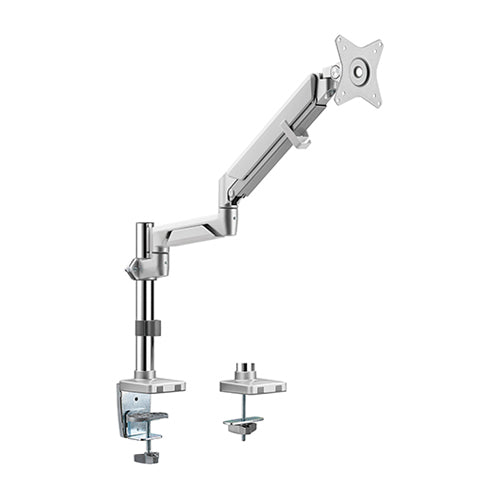
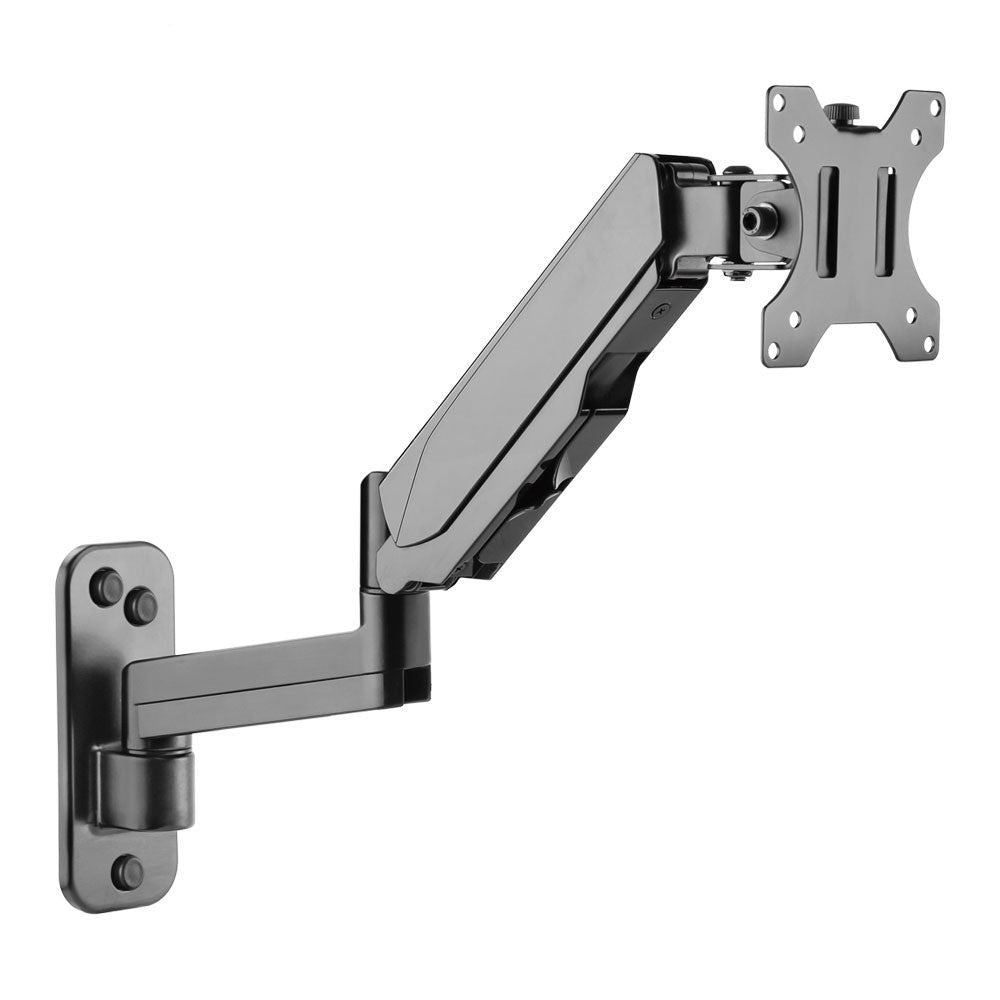
- Wall mounting
- Floor stand
- Mobile trolley
Touch Controllers
A touch controller can provide:
- Meeting launch
- Participant controls
- Camera controls
- Content sharing
- Room settings
The interface should remain consistent across the organisation’s meeting rooms where possible.
Mobile Conference Carts
A mobile cart can turn a display and conferencing equipment into a shared room system.
It is suitable for:
- Flexible offices
- Training rooms
- Schools
- Temporary project spaces
- Multi-purpose halls
RIFE Device and Cart Options
The RIFE VCT01, RIFE VCT09, RIFE VCT-CAB and RIFE VCT09-D dual-screen trolley can house the equipment for any of the room types above.
Questions to Ask Before Selecting Devices
- What is the room size?
- How many people use the room?
- Which platforms are required?
- Are meetings mostly internal or external?
- Is one display sufficient?
- Is automatic camera framing needed?
- Does the system need expansion microphones?
- Will users connect laptops?
- Must the equipment move between rooms?
- Who will support the system?
The best office conferencing solution is the one that provides clear audio, suitable camera coverage and simple operation for the actual room.