You have no items in your shopping cart.

-
 Home
Home
-
 Mounting Solutions
-
 Ergonomic Solutions
-
Monitor Mounts
-
Ergonomic Workstation Accessories
-
Sit-Stand Saddle Stools: The Ultimate Solution for Comfort and Flexibility in India
-
Sit Stand Conversion Desks
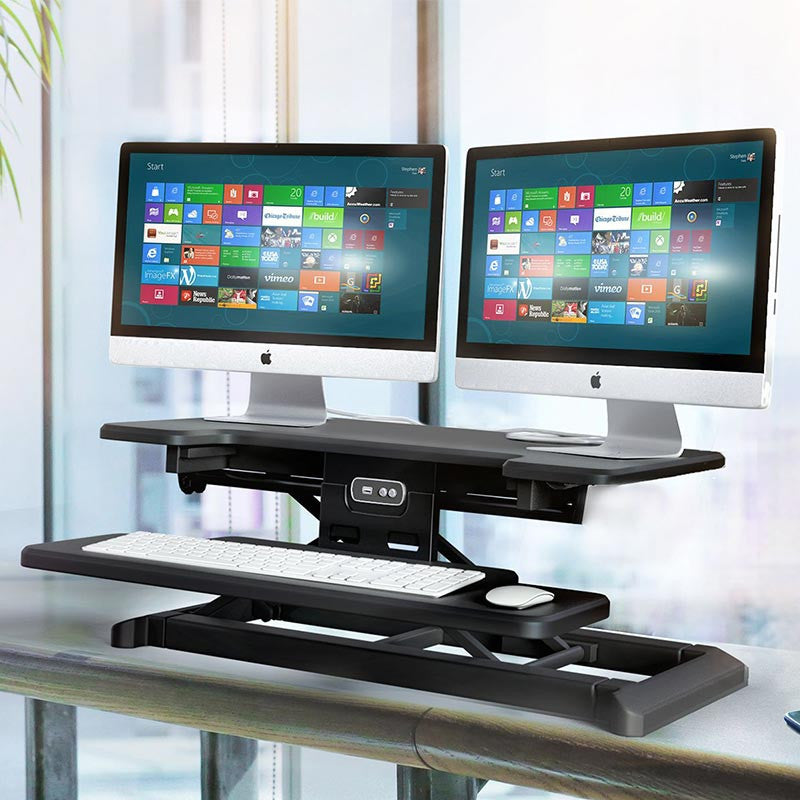
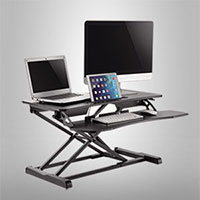
- Standing Desks
- Laptop Stand
- Privacy screen
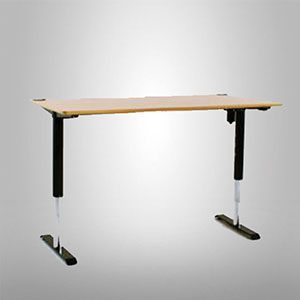
- Electric Height Adjustable Desk
- Non-electric Height Adjustable Desk
- Desk Accessories
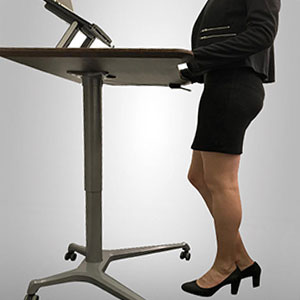
- Portable standing desk with wheels
- Height Adjustable Standing Desks
- Laptop Desks
- Best Work from Home Desk & Table in India – Optimize Your Home Office
-
-
 Robots
-
 AI solutions
-
 Computer Carts
-
Modular Style Laptop Carts
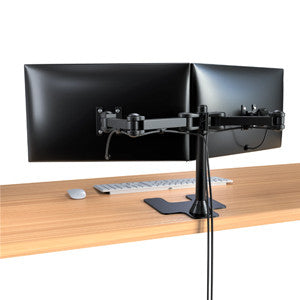
-
Computer Carts & trolley
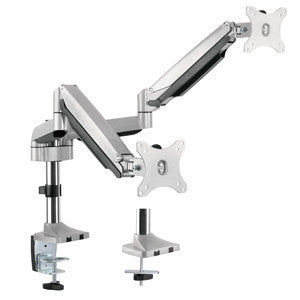
- Laptop Carts
- AV Carts
- Medical Carts
- Sit Stand Workstations
- Wall Mounted Workstations
- Telemedicine Carts
- Mobile Stand-Up Solutions
- Computer Carts in Corporate Healthcare & Wellness Centers
- Computer Carts in Military & Defense Medical Units
- Computer Carts in Government Health Departments & Public Health Programs
- Computer Carts in Pharmaceutical & Biotech Companies
- Computer Carts for Diagnostic Labs & Pathology Centers
- Computer Carts in Telemedicine & Telehealth Centers
- Computer Carts in Nursing Homes & Elderly Care Centers
- Computer Carts in Corporate & IT Companies
-
-
 Charging Solutions
-
Laptop / Ipad / Tablets Charging Carts
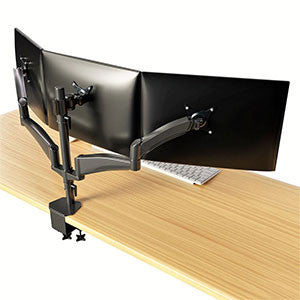
-
School Charging Solutions
- Storage Solutions for laptop ipads tablets
- Charging Stations for Laptops, Tablets, and Phones
- Charging solutions
- Charging Cabinets in India
- Secure Laptop Storage: Cabinets, Lockers & Racks
- Chromebook Charging Solutions
- Smart lockers For Education Industry
- Smart Storage for Schools & Universities
- Smart Lockers with PIN Code & RFID Card
-
-
 Healthcare Solutions
-
Medical Furniture
-
Rife Computer Carts in Hospitals & Multi-Specialty Clinics
- Computer Carts in Pharmaceutical & Biotech Companies
- Computer Carts in Nursing Homes & Elderly Care Centers
- Computer Carts in Telemedicine & Telehealth Centers
- Computer Carts for Diagnostic Labs & Pathology Centers
- Revolutionizing Healthcare: Benefits, Customization, and Safety of Hospital Computer Carts in India
- Computer Carts in Medical Colleges & Research Institutes
- Smart, Secure Storage Solutions for Hospitals & Clinics
- Smart Storage Solutions for Pharmaceutical Manufacturers
-
-
 Lockers Solutions
-
Smart Lockers
-
Smart Storage Solutions for Energy & Utilities
-
Smart Storage Solutions for Corporate Offices & Tech Companies
- Intelligent Storage Solutions
- Secure Smart Locker Solutions
- Smart lockers For Education Industry
- Enhancing Corporate & Office Security with Smart Locker Solutions
- Smart, Secure Storage Solutions for Hospitals & Clinics
- Smart Storage Solutions for Pharmaceutical Manufacturers
- Smart Storage Solutions for Luxury & High-End Residences
- Smart Storage for Schools & Universities
- Smart Storage Solutions for Government Offices & Police Departments
- Smart Storage Solutions for Hospitality & Hotels
- RFID Locker Solutions
-
-
 Kiosk Solutions
-
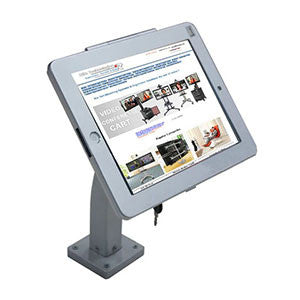
Information Kiosk Solutions in India
-
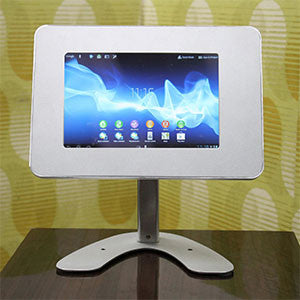
Kiosks in India
-
Digital Kiosks
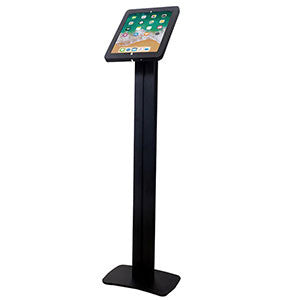
- interactive kiosks
- Kiosk Machines
- LED Kiosks
- RFID Kiosks
- AI Kiosks for Retail
- AI-Powered Self-Service Kiosks for Hospitals
- AI-Powered Self-Service Kiosks for Office Receptions
- AI-Powered Kiosks for Banking & Financial Institutions
- AI-Powered Kiosks for Luxury & Serviced Apartments
- AI-Powered Kiosks for Stadiums, Airports, Railway Stations, and Museums
- AI-Backed Kiosks in Supermarkets
-
- Buying Guides on our products
- Blogs
- Industry Served