
Revolutionizing Healthcare: The Rise of Service Robots in Modern Hospitals

The global healthcare landscape is currently facing a unique set of challenges. From critical staff shortages and nurse burnout to the rising expectations of patients who demand 24/7 distinct care, hospitals are under immense pressure. In this high-stakes environment, efficiency isn't just a business metric—it is a matter of life and death.
To meet these demands, the healthcare sector is pivoting toward a solution that once seemed like science fiction: Service Robots.
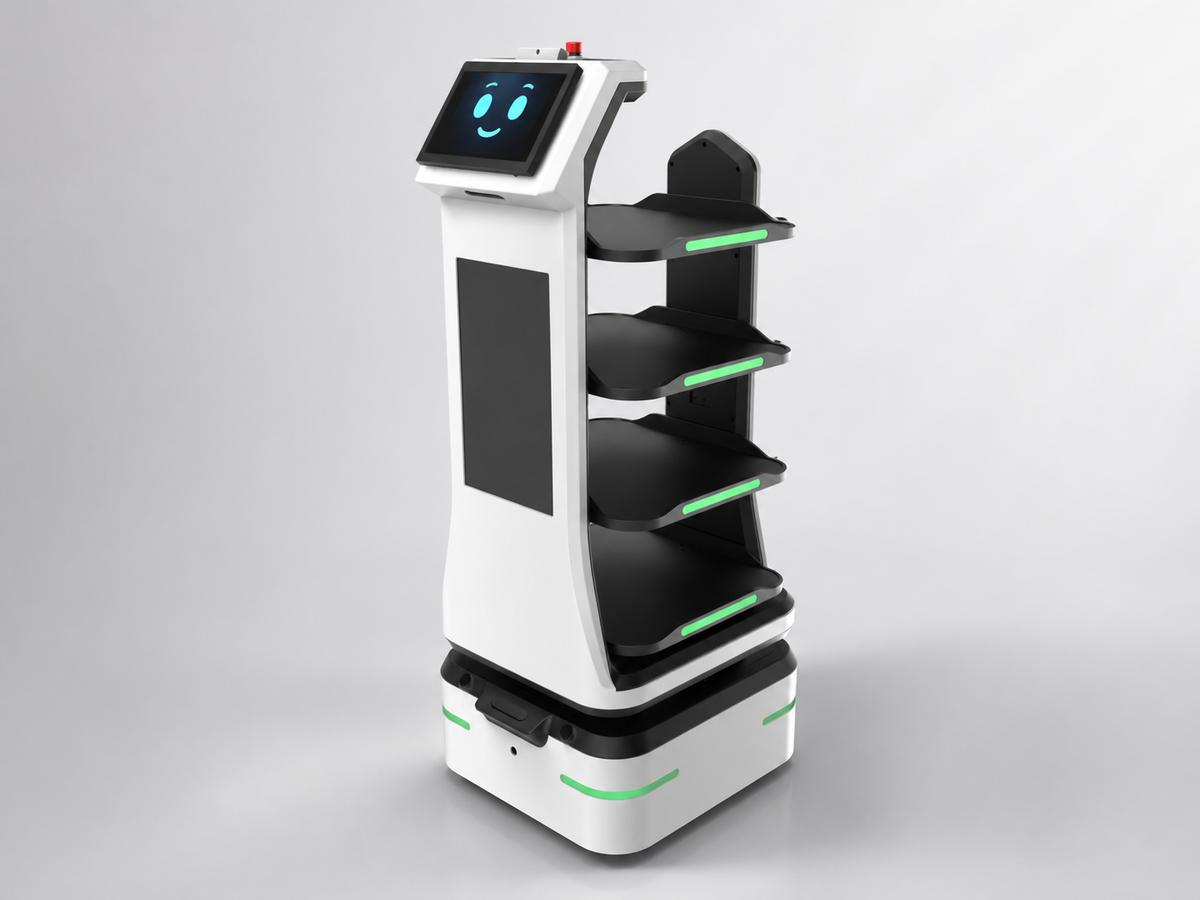
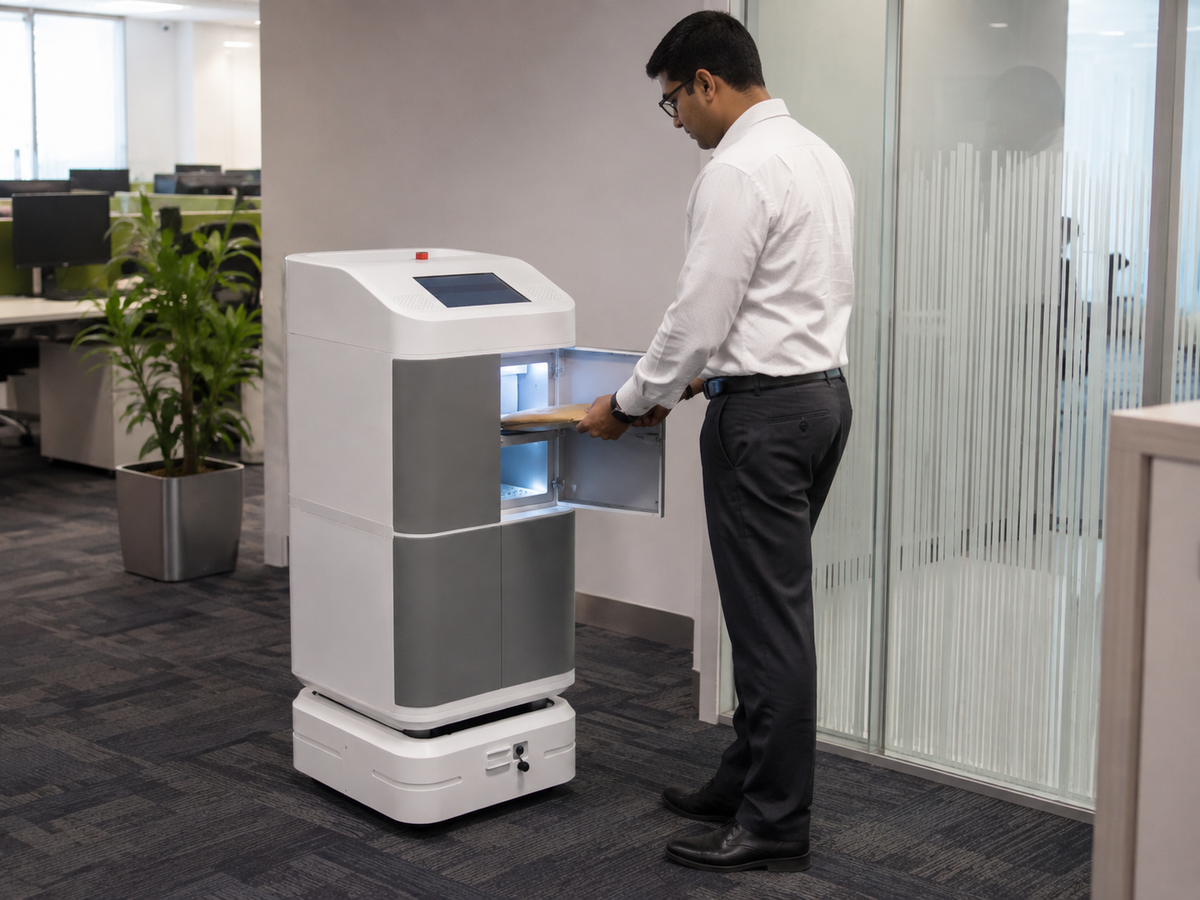
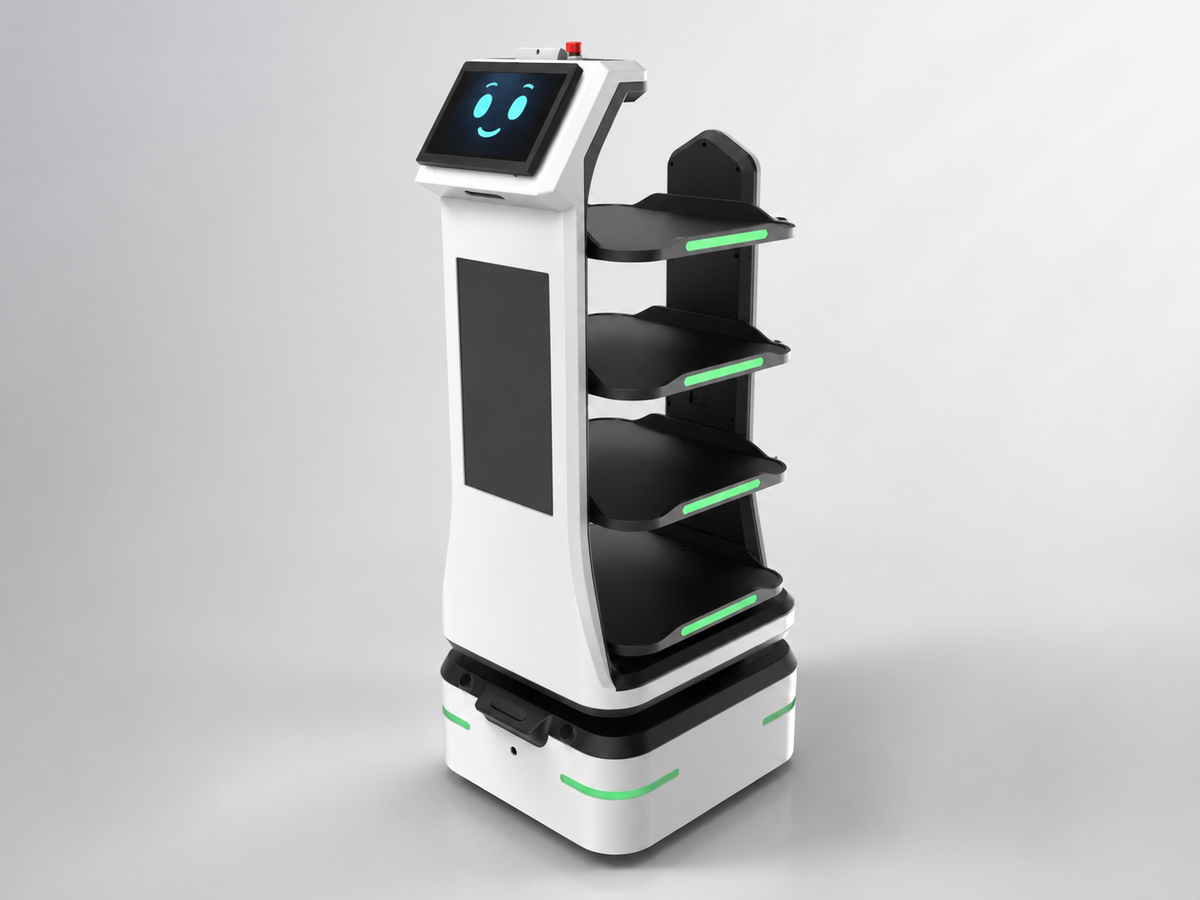
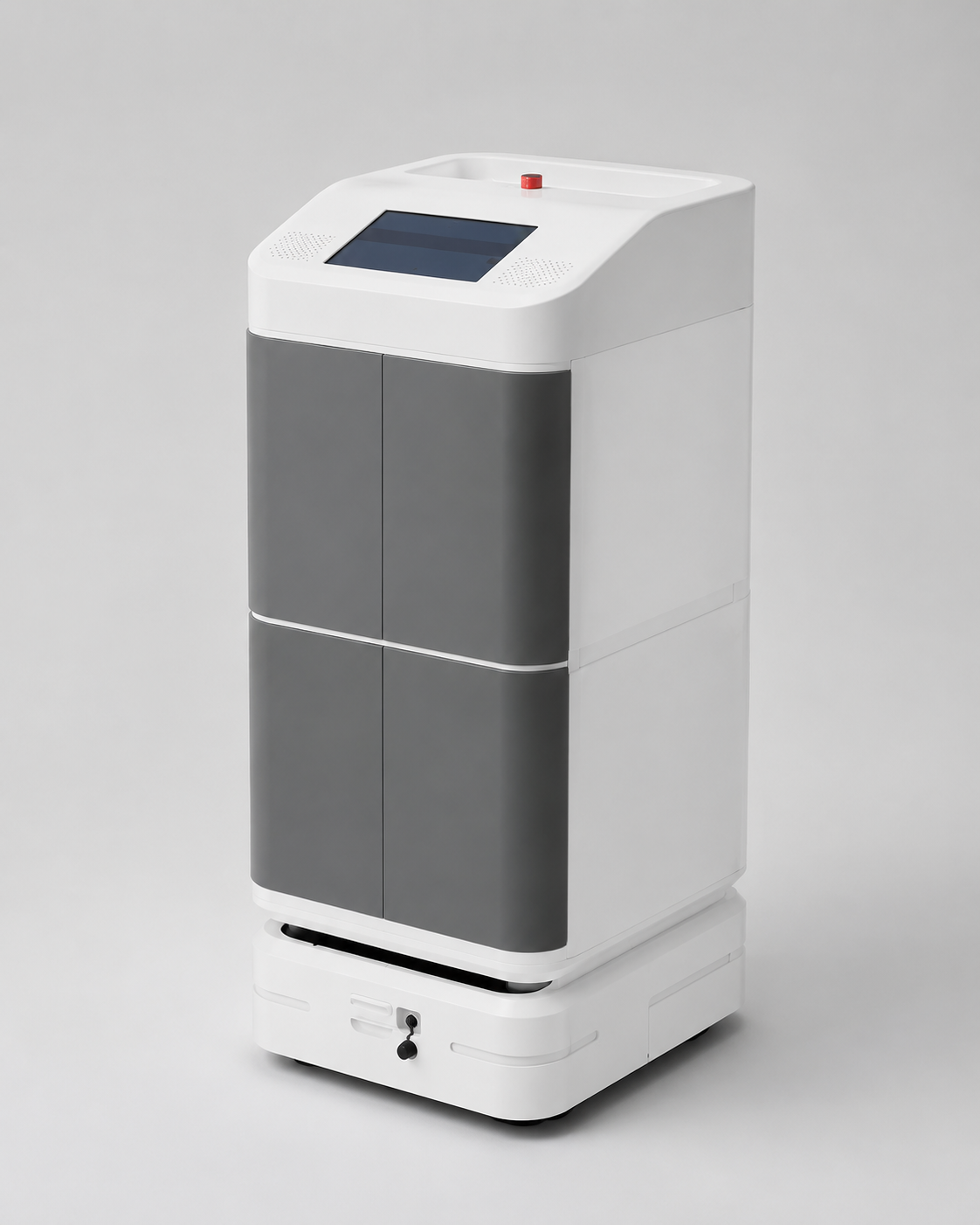
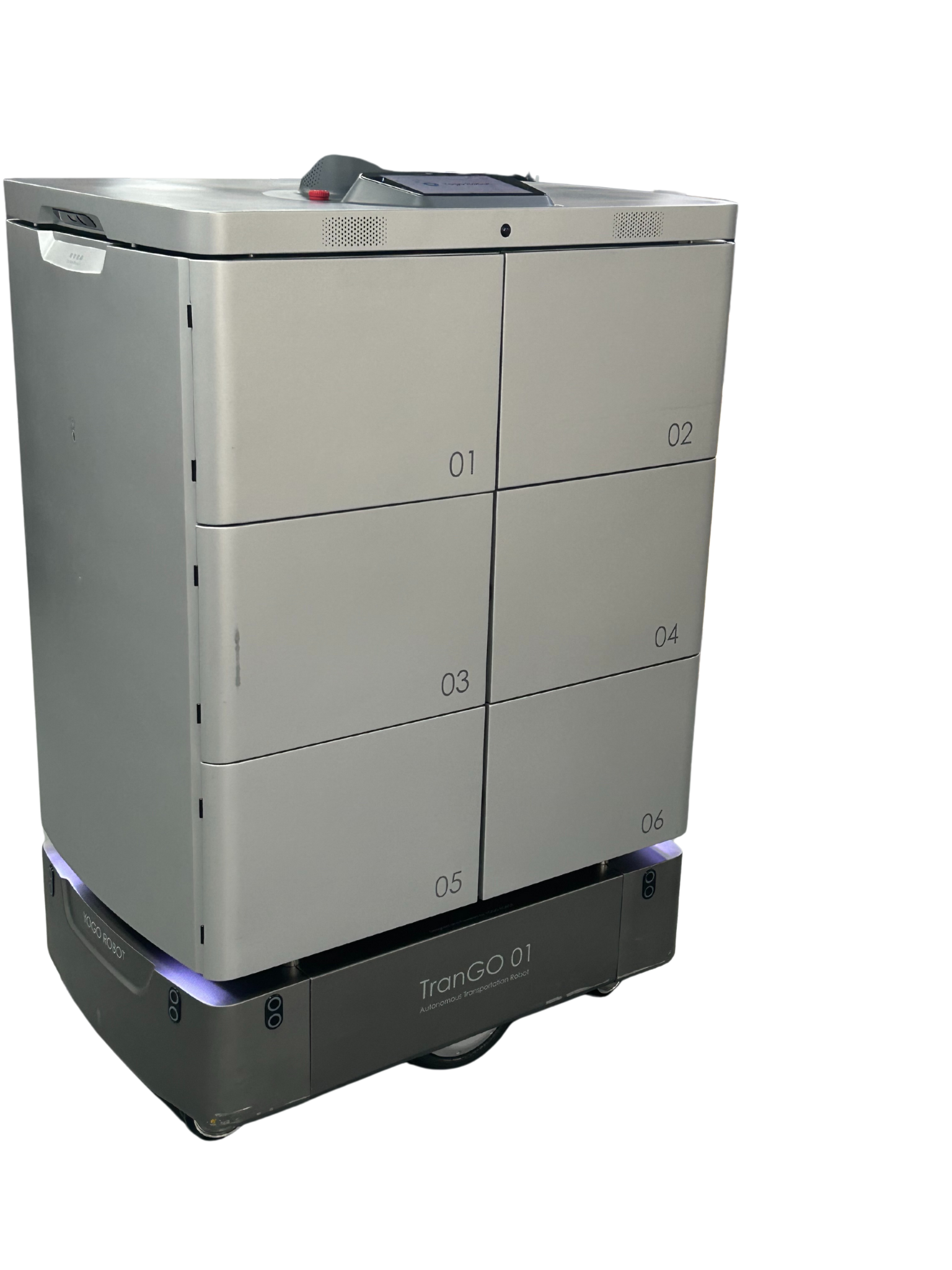
A broader hospital service-robot ecosystem
Hospital robotics is most useful when logistics, cleaning and visitor assistance are planned as complementary workflows rather than isolated demonstrations.


No longer just prototypes in a lab, these intelligent machines are now actively roaming the corridors of leading hospitals across India, the UAE, Singapore, and Europe. They are not here to replace doctors and nurses; rather, they are here to empower them. By taking over repetitive, dangerous, or mundane tasks, service robots are improving patient care, enhancing safety, and redefining hospital efficiency.
What Are Service Robots for Hospitals?
Hospital service robots are autonomous, AI-driven machines engineered specifically for the medical environment. Unlike surgical robots (which are operated by surgeons), service robots act as assistants that navigate the hospital independently.
They are designed to handle a wide array of non-clinical and semi-clinical tasks, including:
-
Logistics: Delivery of medicines, lab samples, and linens.
-
Sanitation: High-grade disinfection of rooms and operating theaters.
-
Patient Interaction: Guiding visitors, providing information, and offering emotional support.
The Technology Behind the Bot
These robots are marvels of modern engineering. To function safely in a chaotic hospital environment filled with gurneys, wheelchairs, and rushing staff, they rely on a sophisticated stack of technologies:
-
LIDAR & 3D Mapping: Similar to self-driving cars, these robots use laser imaging to create a map of the hospital, allowing them to navigate without GPS.
-
AI & Natural Language Processing (NLP): This allows the robot to understand spoken queries ("Where is the cardiology department?") and respond in a human-like voice.
-
Obstacle Avoidance: Advanced sensors detect static and moving obstacles instantly, ensuring the robot stops or reroutes to avoid collisions.
-
IoT & Cloud Integration: They communicate with automatic doors, elevators, and hospital information systems (HIS) to move seamlessly between floors and access patient data.

Why Hospitals Are Aggressively Adopting Service Robots
The adoption of robotics is not merely a trend; it is a strategic necessity. Here is why administrators are integrating these machines into their workforce.
1. Relieving the Burden on Nurses and Staff
The global nursing shortage is a critical issue. Studies show that nurses spend a significant portion of their shift—sometimes up to 30%—walking. They act as couriers, delivering blood samples, fetching extra blankets, or running to the pharmacy.
Service robots take over these "runner" tasks. When a robot handles the logistics, a nurse can stay at the patient's bedside. This doesn't just improve morale; it directly impacts patient recovery rates because medical professionals can focus on clinical care rather than logistics.
2. Empowering Doctors with Real-Time Data
In the past, doctors relied on clipboards and physical files. Today, a service robot accompanying a doctor on rounds can act as a mobile information hub. Using integrated screens, the robot can instantly display:
-
Digital X-rays and MRI scans.
-
Real-time lab results.
-
Medication history and drug interaction warnings.
-
Instructional videos for patient education.
This ensures that decisions are made based on the most accurate, up-to-the-minute data available.
3. Elevating the Patient Experience
Hospitals can be intimidating places. Patients are often anxious, confused, or bored. Service robots help alleviate this by acting as friendly intermediaries. They can greet patients at the door, guide them to the correct department, and answer FAQs about visiting hours or cafeteria locations. In pediatric wards, these robots are game-changers—telling stories or playing music to distract a frightened child before a procedure.
4. The "Contactless" Imperative
The COVID-19 pandemic permanently changed hospital protocols. Minimizing human-to-human contact is now a safety priority to prevent cross-infection. Robots are immune to viruses. They can deliver food trays to isolation wards, transport infectious waste, or bring medication to immunocompromised patients without wearing PPE or risking their health.

Key Use Cases: How Robots Are Being Used Today
Reception and Wayfinding
The front desk is often a bottleneck. "Reception Robots" equipped with facial recognition can verify appointments, issue visitor passes, and physically guide people to their destination. This reduces crowds in waiting areas and frees up reception staff to handle complex inquiries.
Autonomous Logistics (The Pharmacy & Lab Link)
The movement of materials is the heartbeat of a hospital. Robots are now used as secure couriers.
-
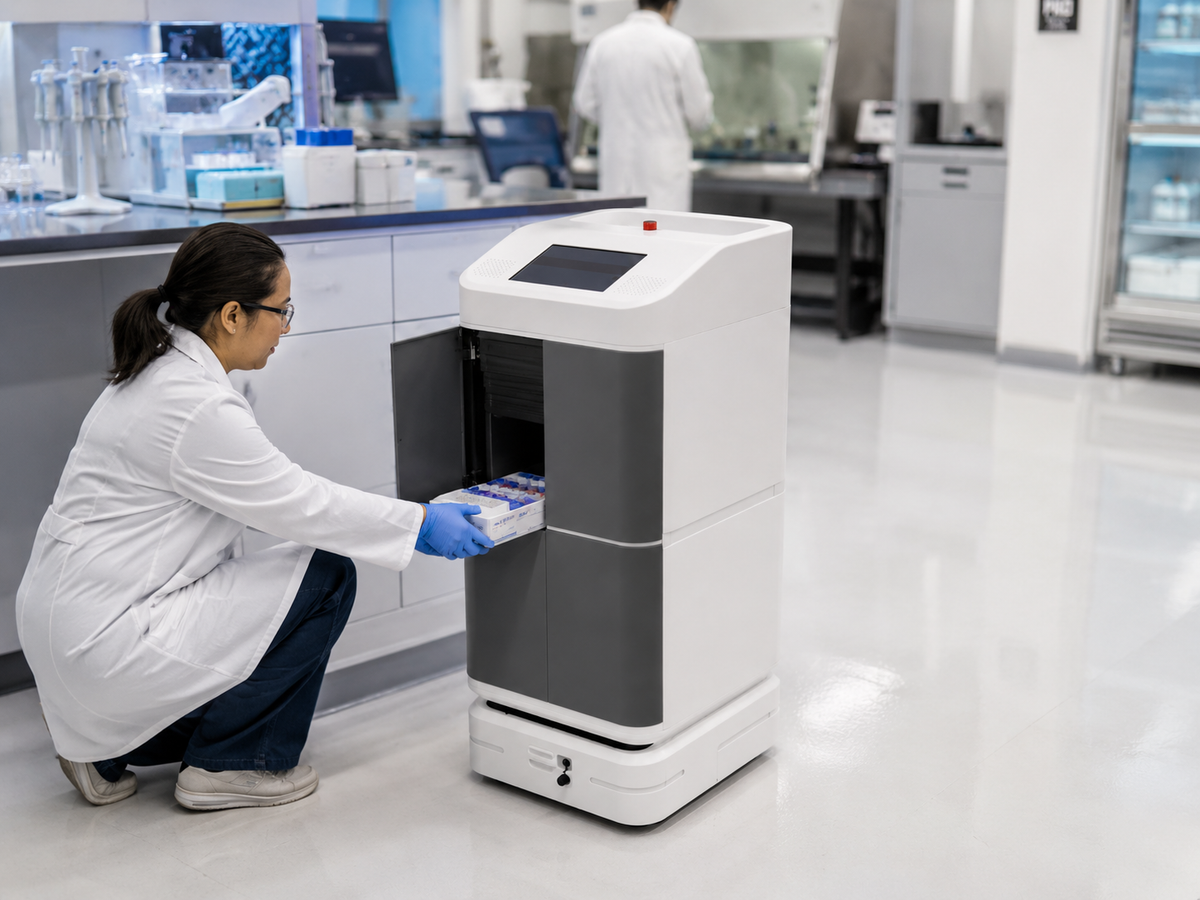
Pharmacy: A robot can securely transport narcotics or high-value meds from the central pharmacy to the ICU. The drawer only opens via a nurse's ID card or fingerprint, ensuring security.
-
Laboratories: Speed is crucial for blood samples. Robots ensure samples are transported immediately after collection, reducing the "turnaround time" for test results.
The Hygiene Heroes: Disinfection Robots
Hospital-Acquired Infections (HAIs) are a major concern. Disinfection robots use UV-C light or dry mist vapors to sterilize rooms. Unlike human cleaners who might miss a spot due to fatigue, a robot follows a programmed path, ensuring every surface—from the bed rails to the remote control—is blasted with germ-killing light. They are particularly vital in Operating Theaters and ICUs.

Emotional Support and Telepresence
In long-term care facilities or children's hospitals, robots provide companionship. Furthermore, "Telepresence Robots" (screens on wheels) allow specialists from other cities to "walk" into a patient's room, examine them via high-res cameras, and consult with local staff, democratizing access to top-tier medical expertise.
The Strategic Benefits for Healthcare Facilities
The Return on Investment (ROI) for service robots goes beyond financials.
-
Operational Efficiency: Robots don't take lunch breaks, don't get tired, and can work a 24-hour shift. This ensures that lab samples are moved at 3 AM just as efficiently as at 10 AM.
-
Cost Reduction: While the initial investment is high, the long-term savings on labor costs, reduced medication errors, and faster bed turnover rates are substantial.
-
Marketing and Branding: Patients perceive hospitals with robotic assistants as cutting-edge and technologically advanced. This builds trust and attracts patients seeking the best modern care.
-
Enhanced Safety: By automating the transport of hazardous waste or heavy lifting, hospitals reduce workplace injuries for their staff.
Who Benefits the Most?
While any facility can benefit, the impact is highest in:
-
Multispecialty Hospitals: Where the sheer size of the campus makes walking time inefficient.
-
Children’s Hospitals: Where the "fun" factor of robots reduces trauma.
-
Cancer Treatment Centers: Where sterility and contactless interaction are vital for patients with low immunity.
-
Geriatric and Rehab Centers: Where constant monitoring and companionship are required.
The Future of Robots in Healthcare
We are only scratching the surface of what is possible. As Artificial Intelligence continues to evolve, the next generation of hospital robots will be even more integrated.
-
Predictive AI: Robots won't just react; they will predict. They might notice a patient has fallen and alert staff immediately, or analyze patient movement to predict bedsores.
-
Remote Telemedicine: We will see robots deployed in rural clinics, controlled by doctors in metro cities, bridging the urban-rural healthcare divide.
-
Elderly Care: With an aging global population, robots will become essential for home care, reminding seniors to take meds and alerting family members in emergencies.

Conclusion
Service robots are no longer a futuristic concept; they are a present-day reality transforming how hospitals operate. By bridging the gap between digital data and physical action, they are solving some of the healthcare sector's oldest problems: inefficiency, staff burnout, and infection control.
For hospital administrators, the question is no longer if they should adopt robotics, but how soon. As we move forward, the collaboration between human empathy and robotic efficiency will define the gold standard of patient care.
Frequently Asked Questions
1. Will service robots replace nurses and doctors?
No, service robots are designed to assist, not replace. They handle repetitive tasks like delivering medicine, cleaning, and paperwork, allowing nurses and doctors to spend more time focusing on critical patient care and medical decisions.
2. How do robots navigate crowded hospital corridors safely?
These robots use advanced technologies like LIDAR sensors, 3D mapping, and cameras. This allows them to detect obstacles, avoid people, and navigate elevators and hallways autonomously without causing accidents.
3. How do service robots help reduce hospital infections?
Robots minimize human contact by performing contactless deliveries of food and medication. Additionally, specialized disinfection robots use UV-C light or dry mist to sterilize rooms and operating theaters, killing bacteria and viruses more effectively than manual cleaning.
4. Can robots interact with patients?
Yes. Many service robots are equipped with AI and voice recognition. They can greet visitors, answer frequently asked questions, guide patients to different departments, and even tell stories or play music to entertain children in pediatric wards.
5. Are hospital service robots expensive to maintain?
While the initial investment is significant, robots often lower long-term operational costs. They work 24/7 without breaks, reduce expensive medication errors, and minimize the need for overtime labor for non-clinical tasks.

call me on 9370509012 for hospital / clinic reception robots